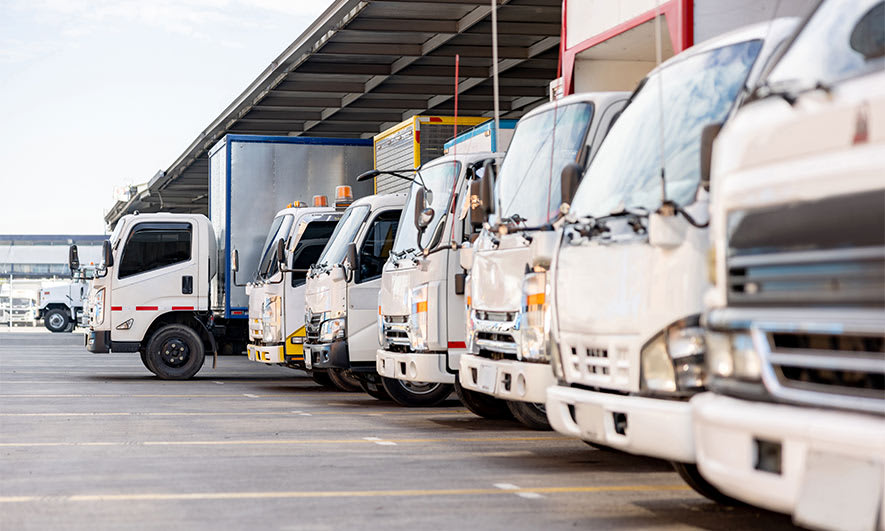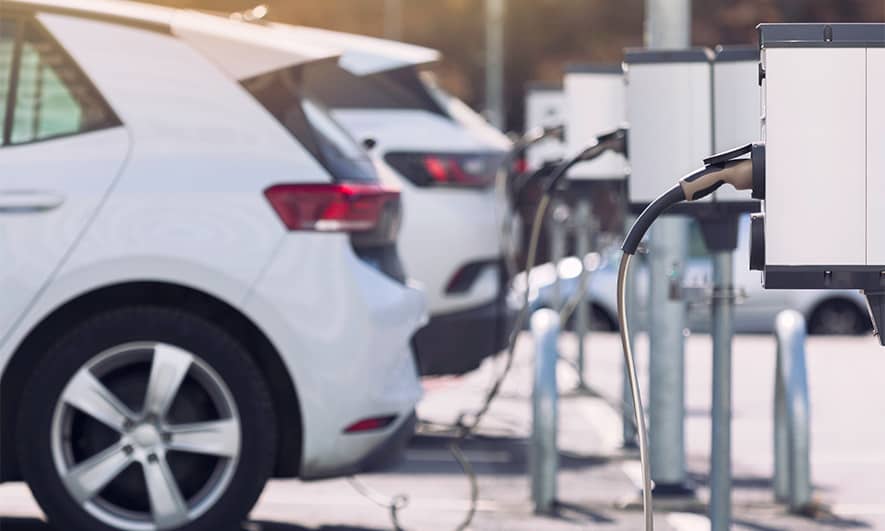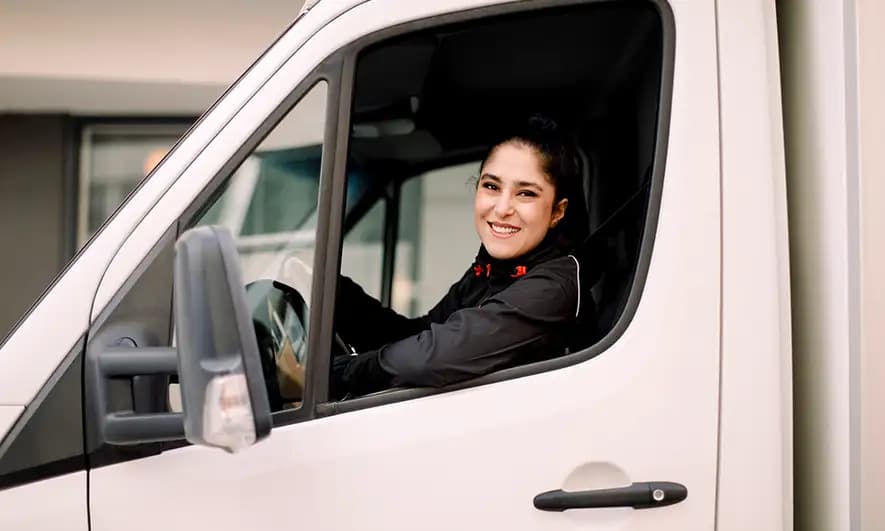


From logistics to deliveries to maintenance, the list of responsibilities for fleet management is long and complex. As a result, fleet management professionals are searching for ways to streamline processes and address rising costs. In fact, according to a 2026 survey, 66% of fleet professionals reported efficiency and productivity as top priorities.1
Adding telematics to fleet tracking systems can deliver real-time performance data to reach those goals. A recent survey of 600 fleet professionals reveals that nearly 30% are investigating or using telematics and artificial intelligence (AI) for their fleet management systems to help address rising fuel costs, influence insurance premium changes and even improve driver safety.2
What Is Telematics?
Telematics is more than just using a global positioning system; it combines GPS with on-board diagnostic sensors, video and imagery technology to measure driving behavior and vehicle condition in real time. Telematics technologies monitor vehicle location and condition, while reporting real-time safety metrics such as speed, braking and road position. Many telematics technologies use built-in AI to merge data insights, helping fleet managers identify and act on trends.
“Telematics gives fleet managers the ability to move from reacting to losses to actively preventing them,” says David Turner, head of data, IOT and analytics at The Hartford. “When safer driving behaviors improve, the data often tells a compelling story — fewer accidents, lower claims severity and ultimately a stronger risk profile. That’s where we see telematics making a real difference for our customers.”
How Does Telematics Relate to Insurance?
Safety improvements drive cost reductions. When fleet managers use telematics to track and maintain vehicles and coach their drivers toward improved safety habits, they can vastly improve their safety performance and reduce related costs — including insurance-related spending.
For example, a customer of The Hartford with a 100-vehicle fleet reduced its accidents and claims by 76% in just one year by installing state-of-the-art AI video telematics devices that instantly alert drivers of safety risks such as distractions and close-following patterns. Another customer with an 800-vehicle fleet reduced its loss payments by $2 million using the same technology.3
Why Is Telematics Useful?
The most forward-thinking fleet managers use telematics to manage and maintain their vehicles and to train and protect their drivers. These are some of the benefits of using telematics technology.
Rich Data Insights for Improved Driver Engagement
Telematics programs are a useful tool to gather data on driver habits and vehicle safety. Fleet managers can use these insights to identify safety issues and design targeted driver coaching programs. When organizations actively evaluate driver safety and incentivize safer driving behaviors, they create a culture of caution. This leads to more engaged drivers and improves overall safety performance.
“The most successful telematics programs aren’t about monitoring — they’re about empowering drivers,” says Ashley Valour, auto product director at The Hartford. “When drivers understand how their behaviors impact safety and feel supported through coaching and feedback, engagement goes up and risk goes down. That cultural shift is where lasting results happen.”
Improved Safety for All
Telematics encourages drivers to be more cautious and helps keep them alert. This reduces accident rates, injuries and fatalities — a benefit for everyone on the road. Plus, when drivers improve their safety performance, insurance costs often go down thanks to fewer claims and lower losses.
More Engaged Drivers
Driver coaching and safety incentives can improve driver engagement, thereby boosting retention and reducing recruitment costs. Plus, when drivers develop safer habits on the roads, several other costs typically come down. These include expenses related to vehicle maintenance, fuel, insurance premiums and losses.
More Sustainable Fleet Management
By reducing maintenance expenses, losses, insurance claims and premiums, fleet management becomes more financially sustainable. From an environmental perspective, it also helps reduce fuel consumption and fleet emissions.
Real-Time Vehicle Tracking
With telematics to track and monitor fleets in real time, fleet managers can more readily help drivers with roadside issues, investigate accidents and even recover stolen vehicles.
Compliance With Electronic Logging Device (ELD) Regulations
Most telematics solutions include ELD to help drivers avoid excessive fatigue, automatically taking care of compliance with relevant regulations.
Explore Adding Telematics
A robust telematics program is quickly becoming the standard for modern fleet operations. Learn more about our tailored recommendations for fleet management, and explore our referral program for new or upgraded telematics.
1 Verizon Connect, “2026 Fleet Technology Trends Report,” viewed April 2026.
2 Fleetio, “State of Fleet Management 2026: Challenges, Gaps and Trends,” viewed April 2026.
3 The Hartford Internal Data, viewed April 2026.