

From refrigerators and dishwashers to toilets and specialty plumbing accessories, water‑connected appliances are common in residential, commercial and hospitality settings. While these products deliver efficiency and convenience, they also introduce a growing and often underestimated source of complex liability exposure. For manufacturers, distributors and insurers alike, understanding where and how these losses occur is critical to managing risk.
A Costly Combination: Water, Power and Pressure
Water‑related appliance losses are rarely isolated events. Poor installation or the use of unqualified contractors is often the root cause and the first line of defense in many claims. Yet, liability frequently extends beyond installers to manufacturers and suppliers, particularly when failures involve defective components, inadequate instructions or foreseeable misuse.
“With water‑connected appliances, the severity of a loss is rarely tied to the size of the initial failure,” says Ori Maouda, executive underwriter at The Hartford. “Minor failures can escalate quickly, driving extensive property damage and long‑tail liability.”
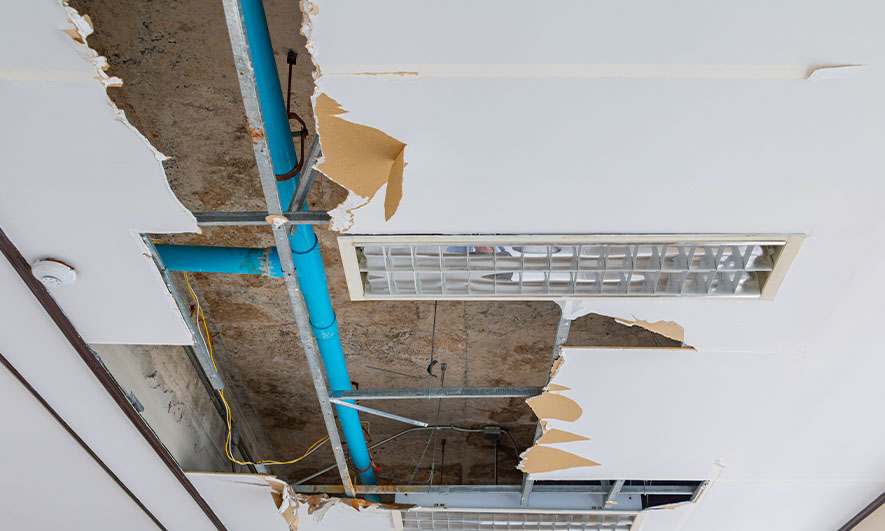
The financial impact can be significant. The average amount paid per water damage and freezing claim was approximately $15,400 from 2019 to 2023, with claim severity increasing in recent years.1 In multi-unit residential buildings or hotels, losses can multiply rapidly as water migrates across floors, units and electrical systems.
Real‑world claims illustrate just how severe these exposures can become:
- Two class action lawsuits involving the use of yellow brass fittings in cross‑linked polyethylene(PEX) tubing systems resulted in settlements of $43.5 million in 2018 and $7.65 million in 2024 after widespread water damage.2
- A defective diverter shaft seal caused dishwashers to leak, resulting in a class action settlement of $21 million.3
- A defective pressurized flushing mechanism caused toilets to explode, injuring 14 people and resulting in an $18 million class action settlement.4
These cases underscore a key reality: component‑level failures can trigger widespread damage and pull multiple parties into complex liability claims.
Common Causes of Loss
Water‑connected appliances, along with their components and accessories, can fail for a wide range of reasons. The most common causes of loss include:
- Improper use, installation or maintenance, particularly when products are installed by unqualified contractors or used outside intended parameters.
- Incompatible accessories or materials, such as supply lines or fittings that are not suited to the appliance, system design or environmental conditions.
- Manufacturing defects in housings, fittings, seals, joints, switches, sensors or valves. These issues may result in leaks, bursts, electrical failures or fire events.
Because these failures often occur out of sight — behind walls, under floors or inside cabinetry — damage may go undetected until losses are extensive.
Managing Risk Across Water-Connected Appliances
Reducing losses from water‑connected appliances requires a proactive approach that emphasizes risk controls over reactive response. Insureds, agents and brokers can help mitigate exposure by prioritizing:
- Clear installation standards and accountability, including defined installer qualifications, documented installation requirements and proper pressure and valve controls.
- Strong documentation and guidance, such as clear instructions addressing compatible components, inspection expectations and replacement intervals for critical parts.
- Material durability and long‑term performance, especially for fittings and connectors exposed to local water conditions. For instance, high‑zinc fittings (as opposed to polymer or dezincification-resistant brass) can lose integrity as water naturally dissolves the zinc from their structures. This “dezincification” process can be further aggravated by hard, high-chloride or low acid water supplies.
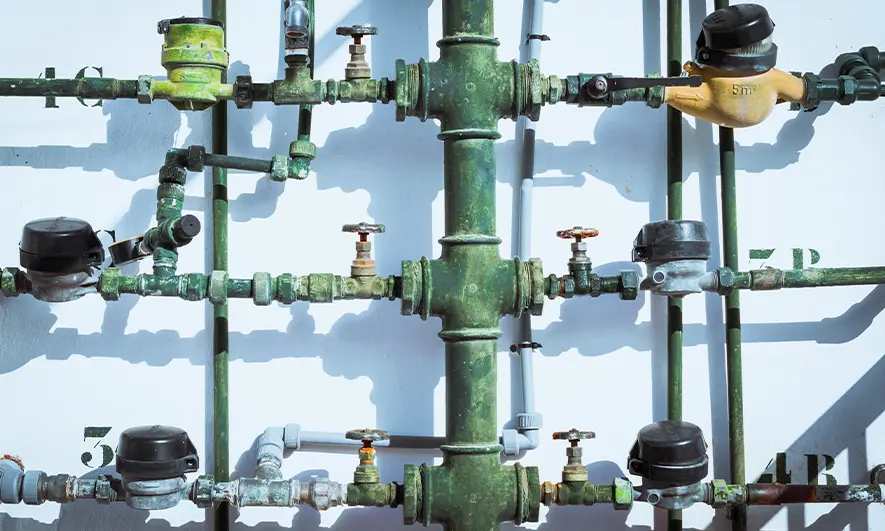
- High‑zinc fittings are often found in PEX plumbing systems, a European synthetic plastic tubing alternative to copper or iron for its flexibility, affordability, ease of installation/modification and resilience in some challenging environments. Evaluating alternatives to high‑zinc brass components may help reduce the risk of gradual degradation and leakage over time.
“The most effective way to manage water‑connected appliance risk is to focus on prevention before a claim ever occurs,” Maouda notes. “This extends to a manufacturer’s duty to warn, so consider whether key hazards are easily identifiable and digestible to the average person in product manuals and labeling.”
Risk engineering support can further strengthen these controls by helping insureds identify vulnerabilities, improve installation and maintenance practices, and reduce the potential for water‑damage losses before they occur.
Turning Insight Into Risk Mitigation
As water‑connected appliances become more prevalent, organizations face increasing exposure to complex, multiparty liability claims. Proactive coordination between underwriting, risk engineering and insureds is essential to managing this evolving risk landscape.
Learn how our Complex Liability Solutions team can help businesses prevent water damage and insure against these risks.
1 Insurance Information Institute (III), “Facts + Statistics: Homeowners and Renters Insurance,” viewed March 2026.
2 NIBCO PEX Plumbing System Settlement Administrator, “PEX Plumbing Systems Settlement (Cole v. NIBCO, Inc.)”, viewed March 2026.
3 Top Class Actions, “Whirlpool Agrees To Pay Class Members $225 for Leaky Dishwasher Repairs, Replacements, in $21M Settlement,” viewed April 2026.
4 Consumer Product Safety Commission, “Flushmate Recalls Flushmate® III Pressure-Assisted Flushing System Due to Impact and Laceration Hazards,” viewed March 2026.