


Although the construction industry continues to be one of the most dangerous occupations in The United States, safety awareness campaigns and continued expansion of safety programs may be having a positive impact.
According to recent government data, fatal falls, slips and trips in construction went down from 400 reported incidents in 2023 to 370 in 2024 — a 7.5% decrease.1
And yet, the risk of injury or death in this industry remains significant. In 2024, there were 1,034 workplace deaths reported in the private-sector construction and extraction industry.2
For the 8 million employees building infrastructure and commercial spaces, a strong safety program at their worksites is essential to decreasing risk.3
Why Is Construction Safety Important?
Especially in high-hazard construction environments, companies have a responsibility to provide a safe and secure workplace.
“The well-being of employees is first and foremost a moral imperative,” says David DeSilva, head of Construction and Energy for Risk Services at The Hartford. “When organizations invest in their people and create a culture of safety, workers perform more confidently, reduce errors and keep projects on track.”
On the other hand, when an employee is injured or ill, their absence can impact everyone down the line. Co-workers take on extra work, morale can suffer, projects experience delays and the financial impact can be significant.
It is possible to perform construction work safely and with a minimum of accidents and injuries. What’s needed is an understanding of the risks involved and the knowledge of appropriate, realistic solutions to help prevent or control the hazards.
What Are the Hazards in Construction?
The types of injuries that construction workers face vary from site to site. According to Margie Snyder, assistant director of Risk Solutions for Health Services at The Hartford, the most common construction worker injuries include:
- Eye injuries
- Lacerations
- Slips and falls
- Sprains
- Strains
In addition, according to the Occupational Safety and Health Administration (OSHA), the four biggest hazards causing fatalities in the construction industry are:4
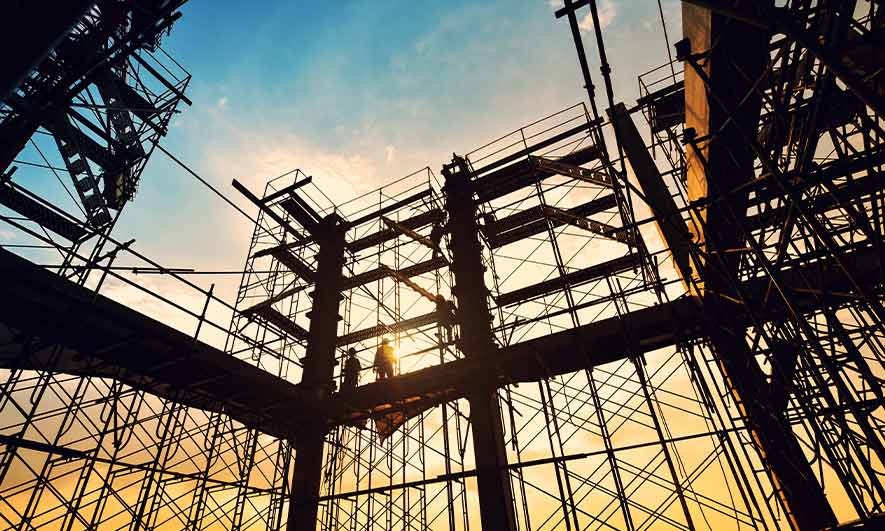
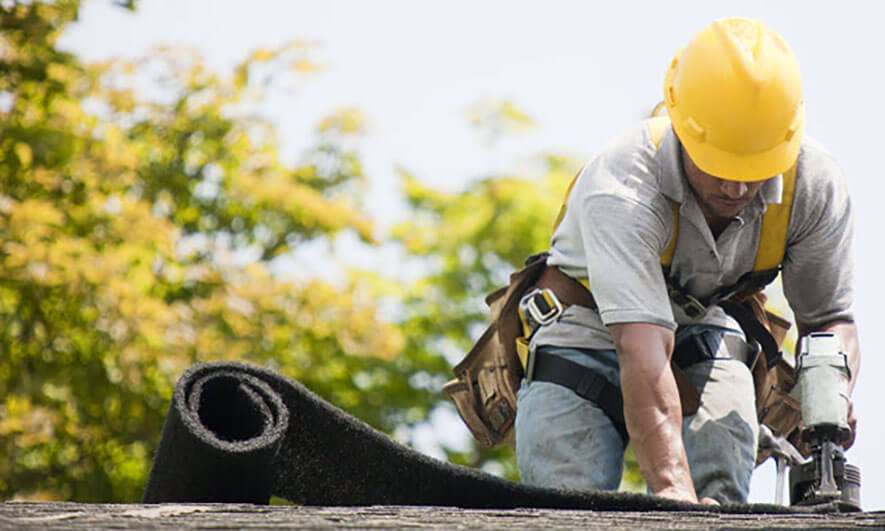
- Falls from a significant height
- Electrocution during electrical work
- Workers caught in or trapped by machinery, cave-ins or objects
- Employees struck by moving, falling or swinging objects
What Are Safe Construction Best Practices?
Developing a safety program can serve as a good foundation for enabling a safety culture on the job. If a construction firm doesn’t have a formal program in place, it isn’t too late.
OSHA provides tips on steps that firms can take to get started:5
- Make safety and health a top priority. Leaders should stay current with OSHA standards and local and state requirements. Modeling safe workplace behavior while providing safety and equipment training can improve employee well-being and help prevent workplace injuries.
- Conduct training for construction supervisors that encourages responsibility and leadership skills while motivating employees to follow set safety and health standards.
- Hold daily toolbox talks to reinforce a culture of safety and communication, and alert workers to possible hazards and new risks.6 Consider sharing safety information in applicable languages, particularly Spanish, as Hispanic workers comprise 33% of construction laborers.7
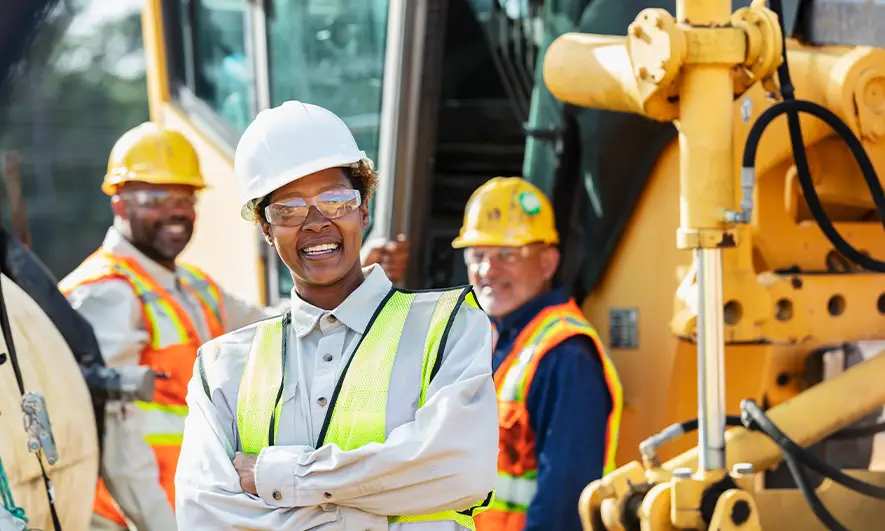
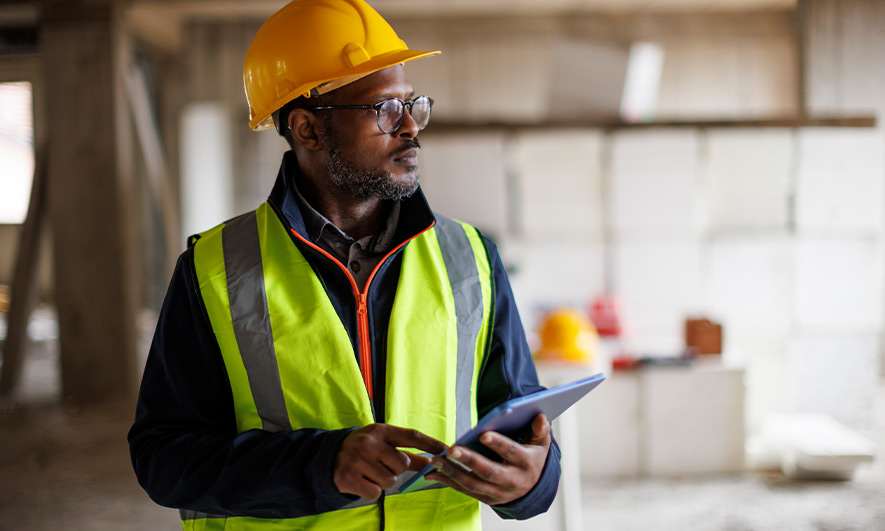
- Provide personal protective equipment (PPE) appropriate to the job and sized for the employee. Hard hats, earplugs, safety glasses, gloves and boots are common types of PPE, as well as safety vests, communication devices and masks or respirators if necessary. PPE should be inspected and replaced when damaged or worn beyond repair.
- Incorporate innovative safety resources like imagery, predictive technology, wearables and online training.
- Inspect tools and equipment regularly for wear and tear, and check for any faulty hydraulics, gear systems or other mechanical or electrical deficiencies. Clean, repair or replace equipment as necessary.
- Address emergencies quickly. Have a written protocol for injury and incident management and ensure supervisors have working walkie-talkies, phones or radios to call for help.
- Maintain an organized and clean work environment, with helpful signage and storage procedures that can help prevent slips, trips, falls and caught-in-between injuries.
Onboarding New Workers
In recent years, a labor shortage in construction caused companies to find creative ways to fill the gaps. From recruiting veterans to working closely with trade schools, construction firms are trying to find skilled laborers to meet project deadlines.
“Bringing in someone with little to no experience in construction puts them at risk of injury,” says DeSilva. “And it’s no secret that younger workers also face a higher risk of injury at construction sites.”
According to The Hartford’s workers’ compensation insurance claims data, two out of five claimants have less than one year with their employer.8
“The issue isn’t employers hiring people who are new to construction, it’s the fact that they need proper training and supervision to ensure they’re as safe as possible at jobsites,” Snyder explains.
It’s important for contractors to have a solid onboarding strategy that targets the unique needs of the new hire and their job before they begin hands-on work.
“This strategy should address the operations and hazards the worker will be expected to encounter,” says Chris O’Hala, director of Construction and Energy for Risk Services at The Hartford. “The onboarding process should include a measurement of what the individual knows and doesn’t know about construction and the tasks they’ll be expected to do. This will establish a baseline for task assignments and training.”
Risk Mitigation and On-Site Injury Prevention Services
Insurers are beginning to partner closely with construction customers to help identify and manage risk. With injury prevention services, the insurer can make recommendations that can help prevent employees from getting hurt in the first place.
“There isn’t a one-size-fits-all approach to managing risks at construction sites. Injury prevention services work well when clinical services can arrive on-site to create tailored solutions and proactive elements,” Snyder says.
Responsibility Is a Team Goal
Effective worksite safety requires risk management strategies that fit the unique needs of each project and crew. When proactive strategies and compliance are encouraged across all construction segments, companies can help foster a culture of teamwork and accountability that helps keep everyone healthy and safe on the jobsite.
For additional guidance, consult our risk mitigation resources and visit our construction page.
1 U.S. Bureau of Labor Statistics, “Census of Fatal Occupational Injuries Summary, 2024 A01 Results,” viewed May 2026.
2 U.S. Bureau of Labor Statistics, “National Safety Stand-Down Highlights Fall Hazards in Construction: The Economics Daily,” viewed May 2026.
3 Associated General Contractors of America, “Construction Data,” viewed May 2026.
4 Occupational Safety and Health Administration, “Construction Focus Four Training,” viewed May 2026.
5 Occupational Safety and Health Administration, “Recommended Practices for Safety and Health Programs in Construction,” viewed May 2026.
6 Construction Safety Council, “Five Minutes That Save Lives,” viewed May 2026.
7 National Institute for Occupational Safety and Health, “Construction,” viewed May 2026.
8 Based on The Hartford's workers' compensation claims data from 2018 to 2022.