
As the seasons change, businesses in cold climates must confront the harsh realities of winter. Freezing temperatures and unpredictable storms can disrupt operations, threaten facility integrity and endanger on-site employees. A report from the National Centers for Environmental Information found that winter storms caused nearly $3.6 billion in losses in 2024.1 Even businesses in southern states should keep winter weather top of mind. A polar vortex in 2021 caused $15 million in damages for companies in places like Texas and South Carolina.2
Whether it’s an office building, commercial enterprise or manufacturing site, your property can be at risk for winter storm damage. It’s essential to follow key steps to protect it before the season gets underway and the first snowflake falls.
Assess Your Key Risks
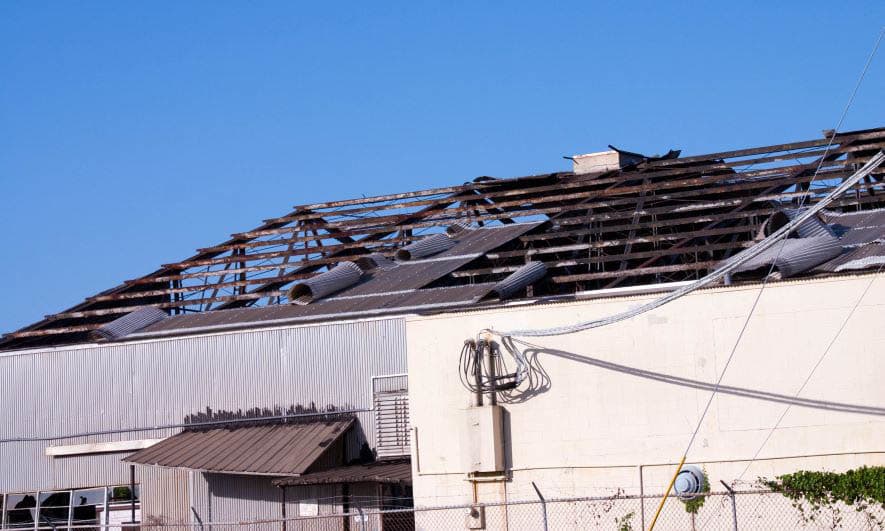
Severe weather is often a series of events with compounding effects. Heavy snow or freezing rain can cause ice dams, leaks and even roof collapse. Snow followed by rain can exacerbate melting and lead to water intrusions such as flooding in buildings or storage yards. Trees, strained by ice and high winds, may fall on structures, vehicles, equipment and power lines. Finally, power outages can cause heat to fail, water pipes to freeze and burst, and businesses to close for extended periods of time.
A basic weather and business continuity plan can help minimize these types of property damage and impacts to your operations, as well as enhance your ability to restore and recover as early as possible. Once established, it should be reviewed and revised yearly.
Prepare Your Property
When creating a winter weather strategy, it’s important to first walk through and inspect your entire facility and grounds to identify vulnerabilities, make repairs and arrange for preventive measures.
Where your property is located as well as how it’s built can determine how it may fare in a winter weather event. Before snow or other cold weather precipitation occurs:
- Make sure facility roofing systems are in good shape and assess flat roofs and steep valleys for chance of leaking or strain.
- Install de-icing cables or mats where ice dams are known to form.
- Keep tree limbs near your building and any power lines trimmed.
- Mitigate flooding with proper drainage, and ensure gutters and downspouts are free of debris to allow water and melting snow to move freely away from the building.
- Prepare outside storage with coverings, secure containment and a well-drained environment to prevent water damage.
Add Sensor Technology
One way to prevent plumbing from freezing is to add insulation and inspect heating systems to ensure they work properly. Another option is to add sensor technology. Thermal sensors can be installed in areas with susceptible building elements to alert when temperatures approach a dangerous level where freezing can occur. Water sensors add an extra level of safety, with the ability to detect the presence of a leak and notify you to shut the water off, so you can avoid a potentially catastrophic loss. Remote monitoring systems help with security, as well as track conditions on other critical process controls, like water storage tanks and loss of power.
Power Up Continuity
A utility service disruption, especially power loss, can lead to more than just freezing pipes. Temperature changes can affect sensitive products and technology. A lack of lighting compromises safety and security, especially if your facility is closed. Arranging alternate or temporary heating systems for the first 48 to72 hours is an essential part of a weather plan. Emergency power generators or battery energy storage systems can provide adequate power for employees to safely complete critical tasks, like relocating susceptible goods or conducting an orderly shutdown of critical systems. Make an agreement for emergency mobile equipment, water pumps and fuel storage for generators. Modify electrical services to accept adjunct power in advance of winter weather so you can more easily put plans in motion.
Share the Plan
A plan works best when it’s well-communicated and everyone understands their role. A comprehensive weather plan should address responsibilities for preparations, define triggers for activating aspects of the plan, and ensure essential equipment and materials are stocked and ready. As you monitor regional and local weather forecasts, it’s important to implement a weather alert system for your employees. Social media, text chains and internal communications can notify employees of icy conditions, office closures and other winter events that may impact their ability to come in or out of the property as well as their safety at work.
Insurance Expertise Can Help Before and After Winter Weather
Maintaining a basic weather impact and business continuity plan can help minimize the effects of winter weather hazards and get your business back on track. Be sure to work with an insurance carrier that can design customized loss control plans, so when events happen, recovery comes quickly.
Learn more about risk management strategies for business leaders to protect their employees, customers and operations from extreme weather.
1 OAA National Centers for Environmental Information (NCEI), “U.S. Billion-Dollar Weather and Climate Disasters (2025),” viewed November 2025.
2 Insurance Information Institute, “Facts + Statistics: Winter storms,” viewed November 2025.