Staying at Home: Are You Prepared for Aging in Place?
Home Maintenance & Upkeep

Staying at Home: Are You Prepared for Aging in Place?

6 min read
Planning to remain in your own home as you get older? Use these tips to help you plan and prepare for aging in place.
Get a Home Quote
Enjoy exclusive benefits with AARP Home Insurance from The Hartford.

Key Takeaways

  • Preparing your home for aging in place starts with regular maintenance, future planning and addressing potential safety concerns before they become larger issues.
  • Universal design features can make a home more comfortable, accessible and easier to use for people of all ages and abilities.
  • Small home improvements today may help support independence, convenience and safety for years to come.
Most people hope to remain in their homes for as long as possible. But aging in place involves more than deciding where you want to live. It also means making sure your home continues to support your lifestyle, safety and independence as your needs change over time. Regular maintenance, thoughtful upgrades and future planning can help create a home that works well today and for years to come.
couple happy in home

Why Aging in Place Starts With Planning

Our housing needs often change throughout life. Retirement, becoming a caregiver, health changes, widowhood or an empty nest can all create opportunities to rethink whether a home still fits your lifestyle and long-term goals.
Many people assume aging in place means making changes only when a challenge arises. In reality, planning ahead often provides more flexibility, more choices and more time to make thoughtful decisions.
 
Whether you plan to stay in your current home indefinitely or are considering future housing options, understanding how your home supports your daily activities is an important first step.
 

Stay Ahead of Home Maintenance

Routine maintenance helps protect your home, reduce repair costs and create a safer living environment. Delaying small repairs can allow minor issues to become more expensive and disruptive problems later.
 
Some home maintenance tasks older adults should prioritize include:
 
  • Inspecting roofs for wear or damage
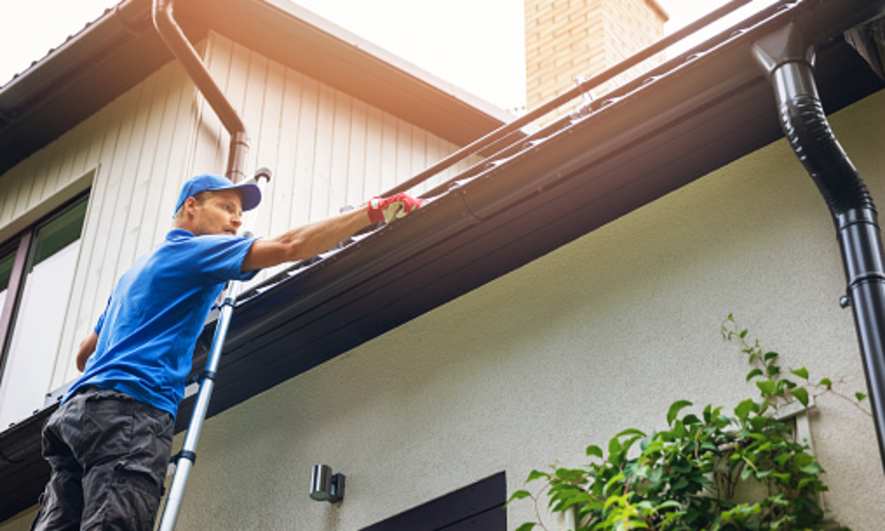
  • Cleaning gutters and downspouts
  • Checking plumbing for leaks
  • Testing smoke detectors regularly
  • Servicing heating and cooling systems
  • Trimming trees and branches near the home
  • Monitoring appliances for signs of failure
  • Addressing repairs as soon as problems arise
It's also important to recognize when certain tasks may no longer be safe to do yourself. Activities that involve ladders, roofs or other physically demanding work may be better handled by a qualified professional.
 

What Is Universal Design?

Universal design is an approach to home design that creates spaces that are easier for everyone to use, regardless of age, size or ability. It focuses on comfort, convenience, flexibility and accessibility without sacrificing style.
 
Many people think accessibility features are only for individuals with significant mobility challenges. However, universal design can benefit homeowners of all ages by making everyday tasks easier and reducing common barriers within the home.
 
Examples of universal design features include:
 
  • Lever-style door handles
  • Single-lever faucets
  • Wider doorways
  • Improved lighting
  • Easy-to-reach controls
  • Minimal thresholds between rooms
  • Pullout shelves and storage solutions
These features can improve convenience today while helping households prepare for future needs. Depending on your policy, you may also have access to Replacement Plus or Easy Living Upgrade Coverage, which provides additional funds after a covered kitchen or bathroom loss to make ease-of-living improvements or Universal Design upgrades, such as multi-level kitchen countertops or wider doorways during repairs or rebuilding.
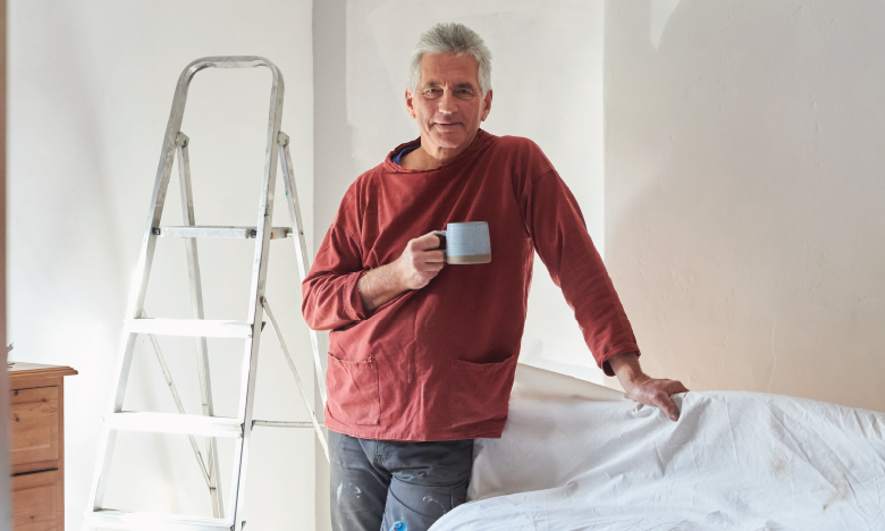
man prepares to remodel home

Home Improvements That Support Aging in Place

Many home improvements that support aging in place are relatively simple and can make a meaningful difference in everyday life. Some are particularly helpful for reducing fall risks, improving accessibility and making routine activities more manageable.
Consider improvements such as:
 
  • Installing grab bars in bathrooms
  • Choosing slip-resistant flooring
  • Improving lighting throughout the home
  • Adding pullout drawers in cabinets
  • Installing comfort-height toilets
  • Replacing round doorknobs with lever handles
  • Creating step-free entryways when possible
  • Installing handheld shower heads
  • Reducing or eliminating thresholds
  • Improving access to frequently used storage areas
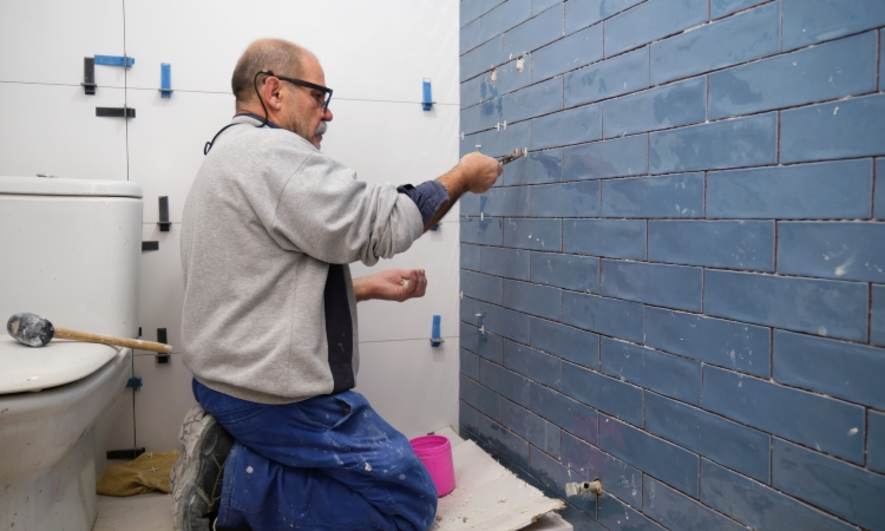
Many of these changes can be incorporated during routine home updates or remodeling projects, making them easier and more cost-effective to implement.
 

Remodeling With the Future in Mind

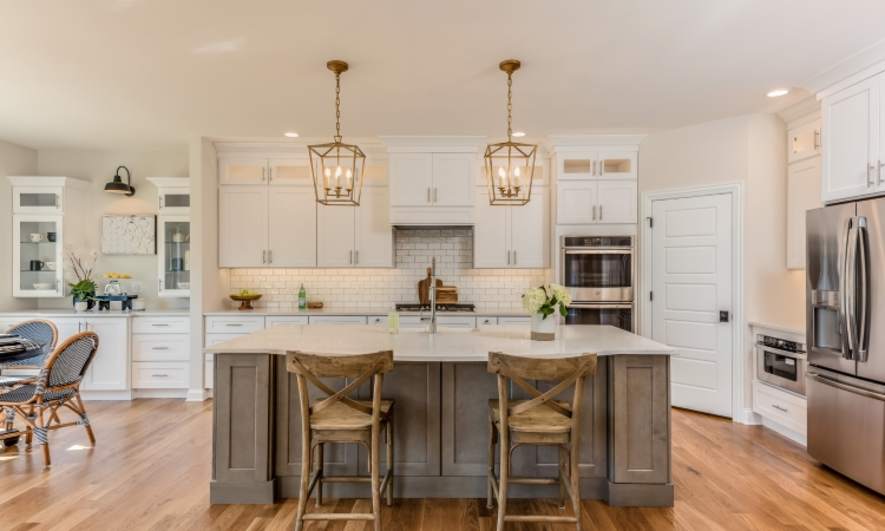
A kitchen or bathroom remodel can be an ideal opportunity to make your home more adaptable. Features that improve usability today may become even more valuable in the future.
 
In the kitchen, aging-in-place upgrades may include:
 
  • Pullout shelving and drawers
  • Accessible storage solutions
  • Slip-resistant flooring
  • Enhanced task lighting
  • Wall ovens that reduce bending and lifting
  • Easy-to-use cabinet hardware
In the bathroom, consider:
 
  • Walk-in showers
  • Non-slip flooring
  • Grab bars or wall reinforcement for future grab bars
  • Improved lighting
  • Comfort-height toilets
  • Built-in or fold-down shower seating
When planning a remodel, it's worth discussing long-term goals with your contractor or designer so future needs can be considered alongside current priorities.
 

Creating a Home That Fits Your Lifestyle

Aging in place is about more than safety features. It's also about creating a home and community that support the life you want to live.
 
As you evaluate your living situation, consider:
 
  • Does your home still meet your current needs?
  • Can it accommodate future changes in health or mobility?
  • Is your community convenient for healthcare, shopping and social activities?
  • Are there updates that could make daily life easier or more enjoyable?
The answers will be different for everyone. What matters most is finding a balance between comfort, practicality and long-term goals.
 

Planning Your Next Steps

Creating a home for the future doesn't have to happen all at once. A gradual approach often makes projects more manageable and gives you time to prioritize the improvements that matter most.
 
Start by identifying maintenance issues that need attention today. Then consider home modifications that can improve safety, convenience or accessibility over time. By staying proactive, you can help maintain your comfort, independence  and confidence  in the home you love.

Related Articles

The content displayed is for information only and does not constitute an endorsement by, or represent the view of, The Hartford.