Buying, Selling and Maintaining a Car After Losing a Spouse
Aging Life Changes

Buying, Selling and Maintaining a Car After Losing a Spouse

7 min read
After losing a spouse, managing vehicle-related decisions can feel overwhelming. Learn practical tips for buying, selling and maintaining a car while building confidence and maintaining independence.
Get an Auto Quote
Enjoy exclusive benefits with AARP Auto Insurance from The Hartford.

Key Takeaways

  • After losing a spouse, vehicle-related decisions may feel overwhelming, but taking them one step at a time can help you maintain independence and confidence.
  • Whether you're keeping, selling or replacing a vehicle, it's important to choose an option that fits your needs, budget and comfort behind the wheel.
  • Prioritizing vehicle safety, routine maintenance and preparation can help support safe driving and peace of mind moving forward.
For many people, a vehicle represents much more than transportation. It provides freedom, independence and the ability to stay connected to family, friends and community activities. After losing a spouse,1 vehicle-related decisions that may have once been shared can suddenly feel unfamiliar or overwhelming. Whether you're deciding what to do with a spouse's vehicle, shopping for a replacement or learning more about vehicle maintenance, taking things one step at a time can make the process more manageable.
 

Review Deciding What to Do With a Spouse's Vehicle

One of the first vehicle-related decisions many widows and widowers face is what to do with a spouse's car. This decision can be practical, emotional or both. In some cases, a surviving spouse may continue driving the vehicle. In others, the vehicle may no longer fit their needs or comfort level.
 
It's important to give yourself time. There is often no immediate need to make a decision unless financial or legal circumstances require it. While some people choose to keep the vehicle, others decide to sell it, donate it or pass it along to a family member.
 
As you evaluate your options, consider whether the vehicle feels safe and comfortable for you to drive. A vehicle that is difficult to maneuver, too large or unfamiliar may not be the best long-term choice. The safest vehicle is often one that fits both your needs and confidence behind the wheel.
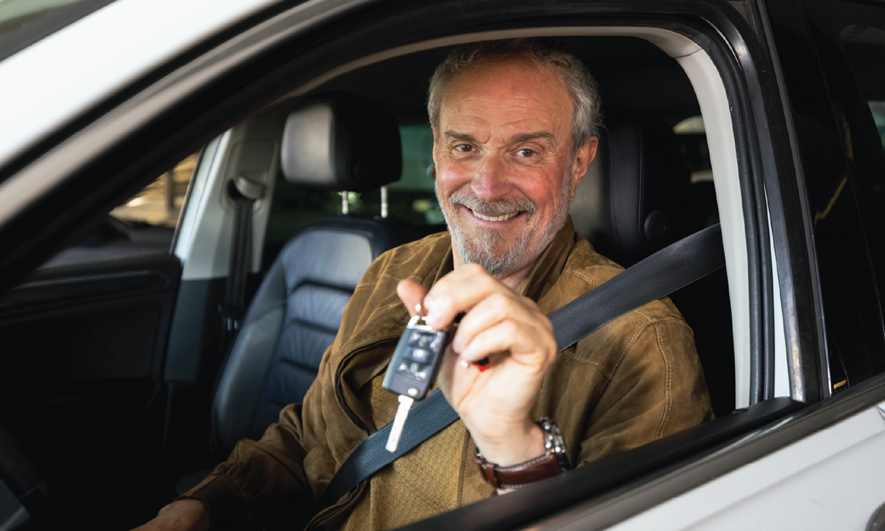
widower selling car

Selling a Car With Confidence

At some point, many people find themselves needing to sell a vehicle. While trading it in may be the simplest option, some individuals choose to sell a car privately to potentially receive a higher sale price.
Before selling a vehicle:
 
  • Gather maintenance records and ownership documents.
  • Research the vehicle's value using trusted resources.
  • Understand local requirements for title transfers.
  • Remove personal items and records from the vehicle.
  • Be cautious when meeting potential buyers.
If you're uncomfortable navigating the process alone, consider bringing a trusted friend or family member into the conversation. Having another perspective can make the process feel less intimidating and help you make informed decisions.
 

Buying a Car That Fits Your Needs

Buying a car after losing a spouse can feel overwhelming, especially if someone else traditionally handled vehicle purchases. Taking time to research your options can increase your confidence and reduce pressure.
 
Before beginning your search, think about how you'll use the vehicle. Consider factors such as:
 
  • Daily driving habits
  • Passenger needs
  • Weather conditions where you live
  • Fuel efficiency
  • Ease of entry and exit
  • Visibility and comfort
A new vehicle may offer the latest technology and safety features, while a well-maintained used vehicle may provide excellent value. The right choice depends on your budget, driving habits and personal preferences.
 
When shopping, avoid feeling pressured to make a decision immediately. Research vehicles, visit multiple dealerships, ask questions and test-drive any vehicle you're seriously considering. Give yourself permission to leave and think it over rather than feeling pressured to buy on your first visit.
widow with car

Choosing Safety Over Sentiment

Safety is one of the most important factors to consider when keeping, purchasing or passing along a vehicle. While emotional attachment can influence decisions, safety should remain the priority.
When evaluating a vehicle, consider features such as:
 
  • Front and side airbags
  • Anti-lock braking systems
  • Electronic stability control
  • Crash-test ratings
  • Reliability history
Independent organizations such as the National Highway Traffic Safety Administration (NHTSA) and the Insurance Institute for Highway Safety (IIHS) provide vehicle safety ratings and information that can support your decision-making process. The guidebook recommends reviewing safety information as part of any vehicle purchase.
 
A vehicle that feels comfortable, fits your lifestyle and has strong safety features may provide greater confidence behind the wheel.
 

Maintaining Your Vehicle and Staying Prepared

Vehicle ownership goes beyond buying and selling. Routine maintenance plays an important role in keeping you safe and helping avoid unexpected repairs.
 
Some basic maintenance tasks include:
 
  • Following the manufacturer's maintenance schedule
  • Checking tire condition and pressure
  • Monitoring fluid levels
  • Keeping up with inspections
  • Addressing warning lights promptly
It's also helpful to keep important information readily available, including emergency contact information, insurance details and roadside assistance resources. Being prepared can provide peace of mind if an unexpected situation arises.
 

Driving With Confidence and Independence

For many people, driving is more than a way to get from place to place. It provides independence, flexibility and a connection to the people and activities that matter most. After losing a spouse, it's normal to feel uncertain about driving alone or managing vehicle-related decisions.
 
As you adjust, confidence often grows with experience. By seeking trusted advice, learning about your options and taking things one step at a time, you can continue making informed decisions and maintain your independence on the road.
 
 
1 The term “spouse” also refers to a life partner.
Related Articles

The content displayed is for information only and does not constitute an endorsement by, or represent the view of, The Hartford.