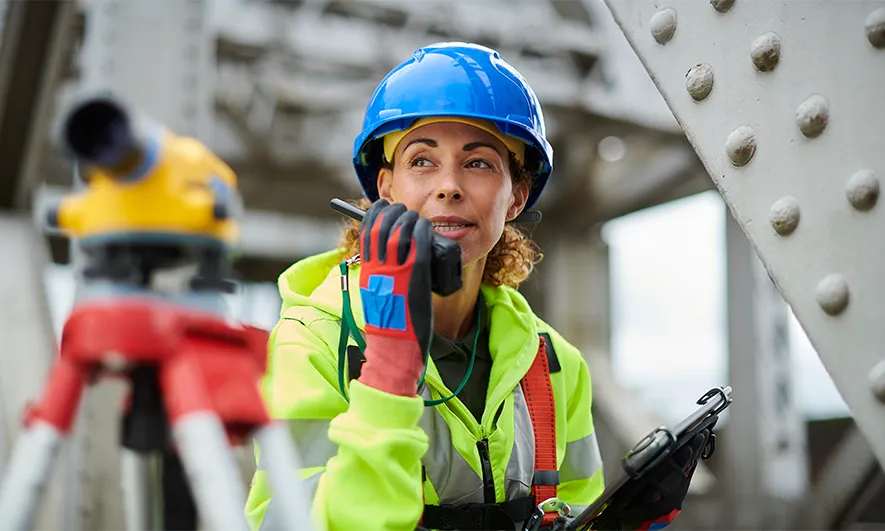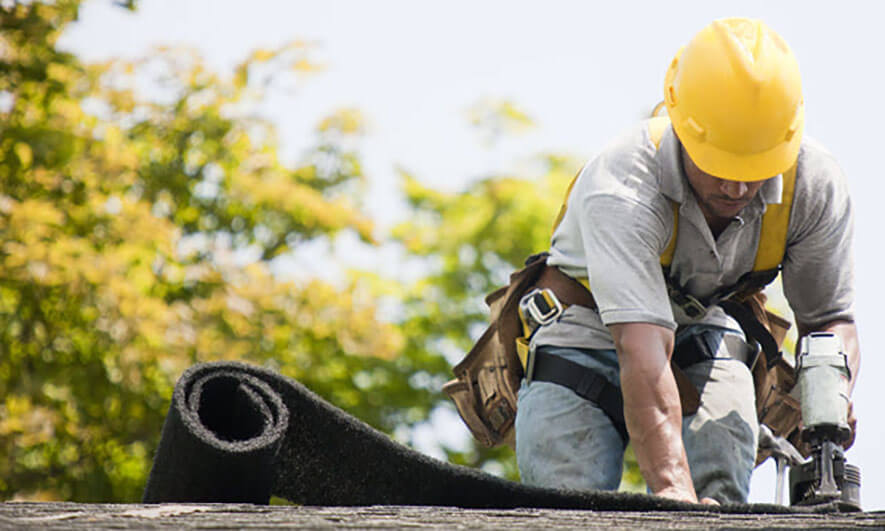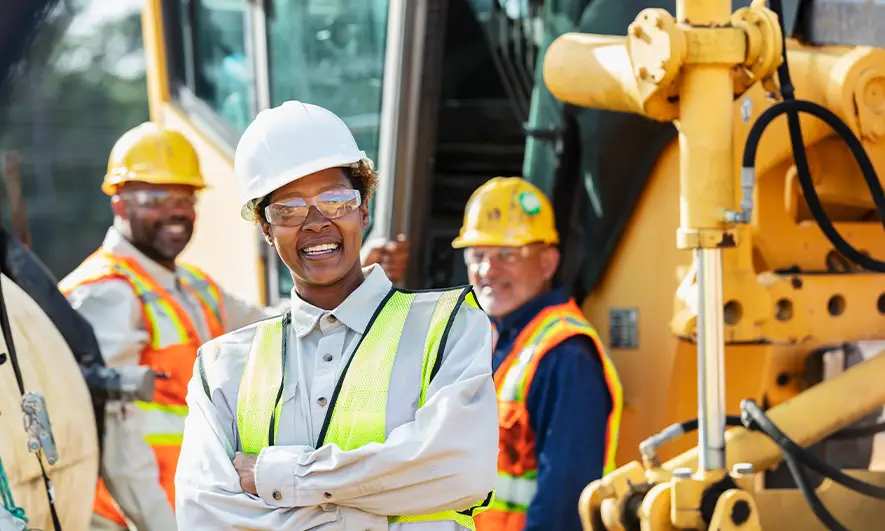


Personal protective equipment (PPE) serves as a critical barrier between workers and job-related hazards. From electrical arc flash and chemical exposure to falls and flying debris, PPE can help reduce the risk of injury when it's selected, fitted and used correctly.
As more women enter construction, manufacturing, utilities, transportation, mining and energy roles, employers are taking a closer look at a longstanding workplace safety concern: PPE was historically designed around male body dimensions. For years, many women were expected to wear smaller versions of men's equipment or "unisex" products that didn't account for differences in body shape, foot structure, facial dimensions and ergonomics.
Today, organizations increasingly recognize that PPE fit is more than a comfort issue. It's an important factor in worker safety, productivity and regulatory compliance.
Why Proper PPE Fit Matters
Even PPE that meets applicable safety standards may not provide the intended level of protection if it doesn't fit correctly.
Poorly fitting PPE can create several workplace challenges, including:
- Increased tripping or snagging hazards from oversized garments
- Reduced dexterity and grip when gloves are too large
- Difficulty achieving a proper seal with respiratory protection
- Hard hats that shift or fail to stay securely positioned
- Fall protection harnesses that don't align properly with the worker's body
In high-hazard environments, these issues can affect both worker safety and job performance.
A Common Challenge Across Industries
Many women working in industrial environments have experienced PPE that wasn't designed with their needs in mind.
For example, flame-resistant coveralls that are too large can create mobility issues and increase the risk of tripping. Loose-fitting protective clothing may also affect how the garment performs during a thermal exposure event. Similarly, workers often report difficulty finding properly fitting footwear, gloves and other essential protective equipment through local suppliers.
While manufacturers have expanded women's PPE offerings, availability remains inconsistent. Many employers continue to purchase equipment through suppliers that primarily stock men's sizing, leaving workers with limited options or extended wait times for properly fitting gear.
Progress in Women's PPE Design
The PPE industry has made significant progress in recent years. Manufacturers increasingly use female anthropometric data when designing products, resulting in PPE that better reflects women's body dimensions and work requirements. These advancements include:
- Improved garment design and sizing
- Women's-specific safety footwear
- Better-fitting gloves
- Enhanced hard hat suspension systems
- Fall protection harnesses designed for women's body geometry
- Expanded options for arc-rated (AR) and flame-resistant (FR) apparel
These improvements can help workers maintain mobility, comfort and protection while performing their jobs safely.
Supporting Workers Through Different Life Stages
Employers should also consider how PPE needs may change throughout an employee's career.
Historically, options for maternity FR clothing, high-visibility apparel and other specialized workwear have been limited. As workforce demographics continue to evolve, manufacturers are developing more solutions that help maintain safety and compliance while accommodating changing worker needs.
Employer Responsibilities Under OSHA
According to OSHA's PPE standard, employers are responsible for assessing workplace hazards and selecting appropriate PPE for employees. The regulation also requires employers to provide PPE that properly fits each affected worker.
To support compliance and worker safety, organizations should periodically evaluate their PPE programs and procurement practices. Areas to review may include:
- Available sizing and product options
- Supplier capabilities and inventory
- Employee feedback on fit and usability
- Injury and near-miss trends
- PPE onboarding and fit-assessment processes
- Product evaluations and field testing
Including workers in PPE selection discussions can help employers identify fit concerns earlier and make more informed purchasing decisions.
Questions to Ask About Your PPE Program
Organizations evaluating their PPE programs may want to consider:
- Do employees have access to PPE designed for a range of body types and sizes?
- Can workers obtain properly fitting PPE without significant delays?
- Are fit assessments included during onboarding and when equipment changes occur?
- Do supplier agreements support access to women's PPE across key product categories?
- Are employees involved in product evaluations and field trials?
- Are fit-related concerns tracked and reviewed regularly?
These questions can help identify potential gaps and opportunities for improvement.
Closing the Protection Gap
The conversation around women's PPE has shifted from product availability to workplace safety and risk management.
As more women enter skilled trades and industrial professions, employers have an opportunity to strengthen safety programs by ensuring PPE fits the workers who depend on it. Properly fitting equipment can help support compliance, improve comfort and mobility and, most importantly, provide the protection employees need to do their jobs safely.
Additional Resources
Professionals seeking additional information on women's PPE can access resources through AWSAM's website, including industry research, educational materials, and manufacturer information: