The Hartford does not currently offer this coverage online for small businesses, but we recognize that this is a coverage many businesses need. You may be able to get the coverage you're looking for through a local agency or with Tivly.
Written by: Chloe Lomax, Senior Writer at The Hartford
Reviewed by: Gene Marks, CPA, Author & Small Business Owner
What Is Hired and Non-Owned Auto Insurance?
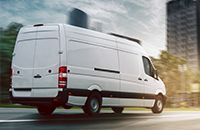 Many business owners use vehicles for work that are not owned by the business. If you rent, lease or borrow a vehicle for work, you can protect your business with hired and non-owned auto (HNOA) coverage, a type of commercial auto insurance. HNOA can also help cover auto accidents that happen while your employee is using their personal vehicle for business purposes, like making deliveries or meeting with clients.
HNOA can help cover claims if your business caused property damage or bodily injury to someone in an auto accident while driving a rented, leased or borrowed vehicle, or when your employee is using their personal vehicle for business purposes.
To help you understand exactly how this works, let’s talk through an example from a small business owner. Jenny owns a bakery and wants to treat her employees to lunch. Because she’s busy helping customers, she asks her assistant to pick up the lunch order for the team. While in route, her assistant gets into a fender bender with her personal vehicle, causing physical damage to the other driver’s car. Jenny gets sued. With hired and non-owned auto coverage added to her business auto policy, Jenny’s insurance can help cover the costs associated with the accident.
HNOA includes two different types of coverage:
- Hired coverage means your business has coverage when you or employees drive a rented, leased or borrowed car for business.
- Non-owned auto coverage applies to employees using their own cars for business. It provides extra coverage over the employee’s personal auto policy for bodily injury and property damage liability coverage.
What Are Considered Non-Owned Vehicles?
 Non-owned vehicles are personal cars that your business doesn’t own or lease. Non-owned auto coverage helps provide liability protection if a vehicle you haven’t leased, hired or rented is driven for your business and is in an accident.
For example, if your employee drives a personal vehicle for work and rear ends another car, your non-owned auto coverage can help pay for damages to the other person’s vehicle if the costs exceed the employee’s personal auto coverage limits. And, if they sue your business for medical costs later, this coverage can also help your company pay for those expenses.
What Is Considered a Hired Auto?
The term “hired auto” refers to any vehicles that you hire, rent or borrow. To get coverage for these, you’ll need hired auto insurance, which applies to cars and trucks. So, if you or your employee are in a car accident while driving a hired, rented or borrowed vehicle for work, hired auto insurance can help pay for your liability costs.
What Does Hired and Non-Owned Vehicle Insurance Cover?
Hired and non-owned auto insurance helps provide coverages for:
- Bodily injury damage, which helps pay for medical costs, prescription medicine, lost income, funeral expenses and legal and settlement costs up to your policy’s liability limits.
- Property damage, which helps pay for vehicle repairs, legal and settlement expenses and replacement costs for damaged property.
What Is Not Covered by Hired and Non-Owned Auto Insurance?
Be aware that hired and non-owned auto insurance is a type of liability insurance for small businesses, but it does not cover injuries that happen to you or your staff. It also means property damage to your business would not be covered.
Some examples of what would not be covered include:
- Property damage to your business’ hired or non-owned vehicle.
- Medical bills if you or your employee get hurt in an accident while using rented or personal vehicles.
- Property damage to your business.
- Damages or bodily injury from an accident while you or your employee drive for personal reasons that are not related to your business.
- Property stolen from the hired or non-owned vehicle.
- Normal wear and tear on a hired or non-owned vehicle.
Do You Need Hired and Non-Owned Auto Coverage?
 If your business rents or borrows vehicles to do work, or if your employees use their personal vehicles for business, getting hired and non-owned auto coverage is important. It can help pay for any property damage that rented vehicles cause while being used for your business. It also covers vehicles used for your business if they cause bodily injury to another driver in a car accident. A business without insurance coverage may need to pay out of pocket for damages.
What Does Non-Owned Auto Coverage Cost?
The cost of your non-owned auto coverage will depend on factors like your:
- Claims history: If you’ve made non-owned auto coverage claims in the past, this could increase your premium now.
- Type of vehicle: Vehicles that have a higher value will increase your premium.
- Driving history: If your employees have a history of collisions this could increase your premium.
- Frequency of renting vehicles: The annual amount you spend on renting vehicles can affect what you pay for non-owned auto coverage.
Common Questions About Hired and Non-Owned Auto
What Is the Difference Between Commercial Auto Insurance and Hired and Non-Owned Auto?
Commercial auto insurance covers the company vehicles that your business owns. This is different from hired coverage which helps protect vehicles used for your business that are rented, borrowed and leased. To help protect any personal vehicles used for business purposes, you’ll need non-owned auto coverage.
What Is the Difference Between Hired Coverage and Non-Owned Auto Coverage?
If you’re renting cars or borrowing cars frequently for your business, you’ll need hired coverage. This coverage also helps protect leased vehicles that you use on the job. For example, if your employee rear ends a car while driving your leased company van, hired coverage can help pay for liability costs like the other driver’s hospital bill.
In contrast, non-owned auto coverage can help cover personal vehicles driven by your employees on the job. So, if your employee drives their personal car to pick up supplies for your small business but gets into a fender bender, this coverage can help pay for the medical costs for the other driver that resulted from the accident.
Can a Business Get by With Personal Auto Insurance?
Your personal auto insurance policy likely doesn’t provide coverage to your business’ rented vehicles. It also won’t help cover third-party claims if you get into an accident while driving your own vehicle for business.
You can think of a personal auto insurance policy as working together with hired and non-owned coverage. If you get into an accident while driving for work, HNOA helps cover the damage to another person’s property or someone else’s medical bills if it exceeds the limits in a personal auto policy. If you’re hurt or your own car gets damaged, your personal auto policy can help pay for the repairs.
You can think of a personal auto insurance policy as working together with hired and non-owned coverage. If you get into an accident while driving for work, HNOA helps cover the damage to another person’s property or someone else’s medical bills if it exceeds the limits in a personal auto policy. If you’re hurt or your own car gets damaged, your personal auto policy can help pay for the repairs.
How Can I Get Hired and Non-Owned Auto Coverage?
We offer commercial car insurance and hired and non-owned auto coverage that can help protect your business. In fact, we stand out from other car insurance companies because we’ve helped over one million small business owners get the coverage they need. Whether you’re looking for the right type of business insurance or need help filing a claim, we’re here for you.
Get a small business car insurance quote today and learn how we can help protect you and your employees on the road.
More Answers to Frequently Asked Commercial Auto Questions
Last Updated: August 27, 2026
** Costs, premiums, and coverages mentioned are estimates and are not guaranteed. Actual cost, premium, and coverage are determined at the time of quote or issue and are specific to an individual risk. Premiums are based on information provided to The Hartford, including, but not limited to, underwriting and rating criteria. All examples included on this website or in an advertisement are intended for informational purposes only and are not an offer or a guarantee of premium or coverage. Coverage and products described are subject to the terms and conditions found in the policy contract. Any educational information provided about available coverages does not modify the policy language or imply that any claim is covered. Products are not available in all states or for all businesses.
The Hartford does not currently have a product available to provide the coverage described on this page. You are being referred to Tivly in an effort to connect you with a carrier who may provide this coverage. This link will redirect you to a third-party website, owned and operated by an independent party ("Tivly"). Any link you make to or from the Tivly website will be at your own risk. Any use of the Tivly website will be subject to and any information you provide will be governed by the terms of the Tivly website, including those relating to confidentiality, data privacy and security. The Hartford and its affiliates (collectively "The Hartford") do not endorse or approve and make no warranties, representations or undertakings relating to the content of the Tivly website. The Hartford assumes no liability for loss, damage and any other consequence resulting directly or indirectly from your access to the Tivly website or any information that you may provide on the Tivly website.
Additional disclosures below.