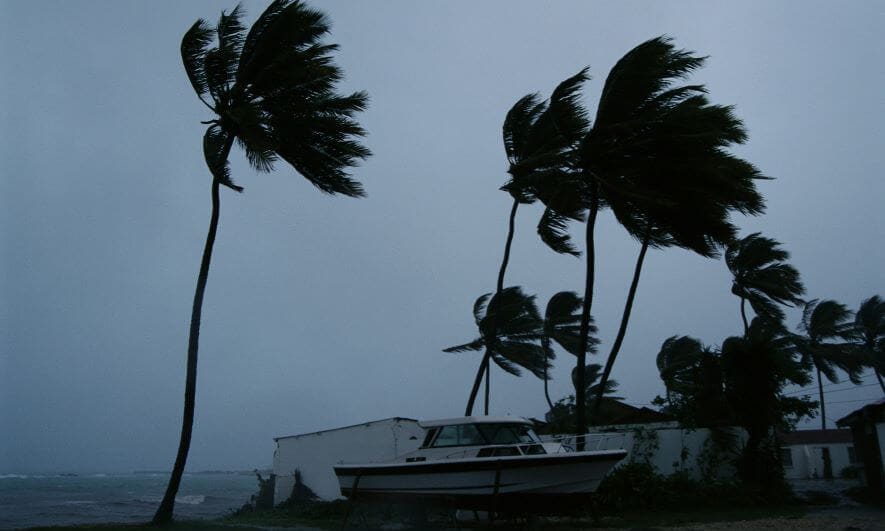
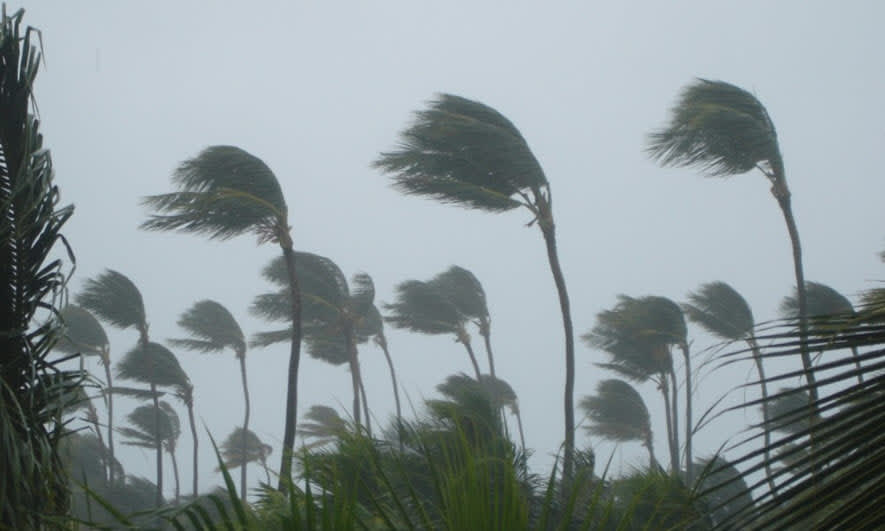
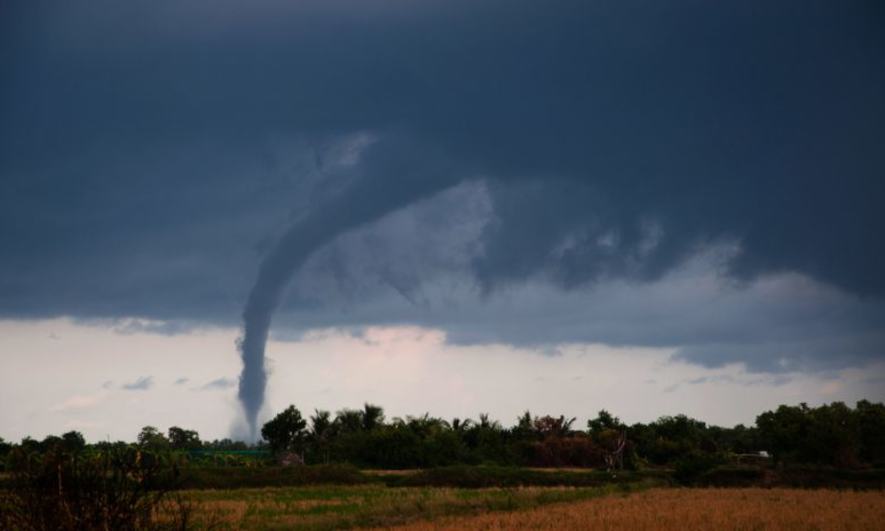
When assessing your risk, consider:
- The types of disasters most common in your area
- Local evacuation routes and emergency shelters
- Whether you live in a flood, wildfire or hurricane-prone region
- How weather or emergencies could affect utilities and transportation
- Any household members who may need additional assistance during an evacuation
Even if you've never experienced a major disaster, it's important not to rely solely on past experience. Preparing for the emergencies most likely to affect your area can help you respond more quickly and safely when conditions change.
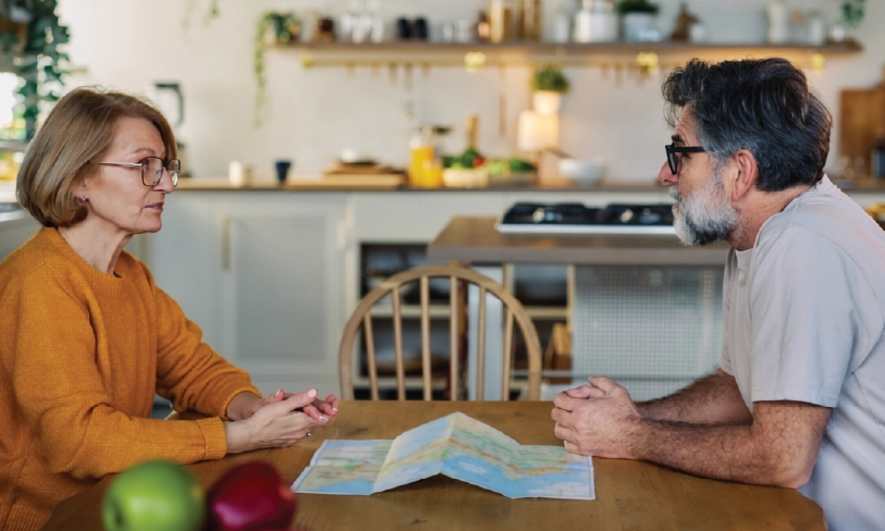
A strong support network is one of the most important parts of disaster planning. Family members, friends, neighbors, caregivers and community contacts can help with preparation, communication, evacuation and recovery.
Consider who could help with:
- Checking in before or after a storm
- Picking up medications or supplies
- Helping secure the home
- Providing transportation
- Assisting with evacuation
- Caring for a loved one if you cannot be there
- Offering a temporary place to stay
If you care for someone living with dementia, identify more than one person who could step in if you are unavailable. Share important information with potential caregivers, including medications, routines, behaviors, emergency contacts, doctors, and insights into what helps your loved one feel comfortable, engaged, and supported.
A diverse support network is important because a disaster may affect the people you usually depend on. Having several contacts in different locations can give you more options when you need help.



 Looking for more guidance? Explore our complete