
If you live in a hurricane zone, making the right preparations is important. The key to staying safe is knowing what to do before, during and after a hurricane to protect yourself, your family and your property. Remember, even a Category 1 hurricane can cause major damage to your home and property.
How Hurricanes Form
When warm, moist air circulating over warm ocean water rises and begins to spiral, it produces a tropical cyclone or tropical depression. This is an area of heavy rain and thunderstorms where winds can reach up to 38 miles per hour.
When the wind speed increases to 39 to 73 miles per hour, the storm is classified as a tropical storm. A storm becomes a Category 1 hurricane (defined by the Saffir-Simpson Hurricane Categories scale) when winds continue at 74 miles per hour or higher. As the speed of the wind circulation within the storm increases, so does the hurricane’s category. It’s category is an indicator of the storm’s damage potential.
The amount of rain that falls is not related to the hurricane’s category, but rather the size of the storm and how quickly it moves across an area. A storm’s direction and traveling speed are steered by the prevailing weather patterns that surround the hurricane. This is different then the speed of the wind circulation within the hurricane itself. Slower-moving, larger storms can drop more rain on an area, causing severe flooding.
How Hurricanes Move
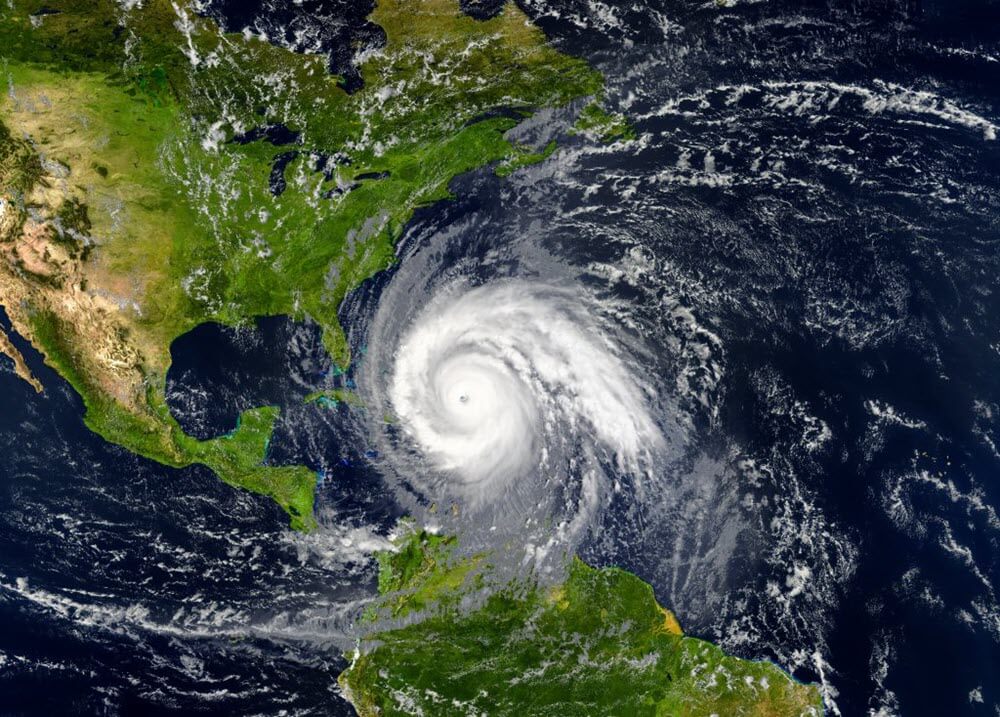
A full-fledged hurricane is characterized by an internal wind speed of at least 74 miles per hour and a spinning structure in which the wind rotates around the center of the storm — called the “eye” of the hurricane.
The strongest wind and heaviest rain occur in the area around the eye of the storm, called the eyewall. As the hurricane moves, the eye wall will give way to the eye and the wind will calm. The rain will also lessen or subside and the sun may even be visible. However, this doesn’t mean that the storm is over.
As tempting as it may be, you should not leave your place of shelter until you receive word from the weather station that the storm is over. This is because once the eye passes, the wind and rain will pick up again as the dangerous backend of the storm passes over your area.
Although Hurricanes generally move west, they can also move north, northeast and northwest. They are often unpredictable and you may notice that several different storm paths are forecast before a hurricane actually makes landfall. This is because many factors can change the course of a hurricane or cause it to strengthen or weaken.
In fact, in 2005, Hurricane Katrina made landfall on the southeast coast of Florida as a Category 1 hurricane. From there, it continued to travel slightly south before heading west across the peninsula and moving into the warm waters of the Gulf of Mexico. It traveled north for several days, gathering size and power, finally pummeling into the Louisiana coastline as a large Category 3 Hurricane. Its winds reached 125 miles per hour.
When and Where Hurricanes Strike
Hurricane season runs from June 1st to November 30th, peaking from mid-August to late October. During that time, an average of six hurricanes will form in the Atlantic Ocean, Caribbean Sea or Gulf of Mexico and two hurricanes will form in the Central Pacific Ocean. During a typical 2-year period, an average of three hurricanes will make landfall along the U.S. coastline and one of them will be a Category 3 or higher.
The most hurricane-prone coastlines include:
- North Carolina
- Central to South Florida
- Northwest Florida
- Mississippi
- Louisiana
- North East Texas
5 Ways to Prepare for a Hurricane
In addition to the wind damage and rain, if you live on the coast, the storm surge (a rise in the wave level due to the increased winds) can pose the greatest threat to your life and your property.
Here’s how to prepare for a hurricane before the season starts: