Examples include:
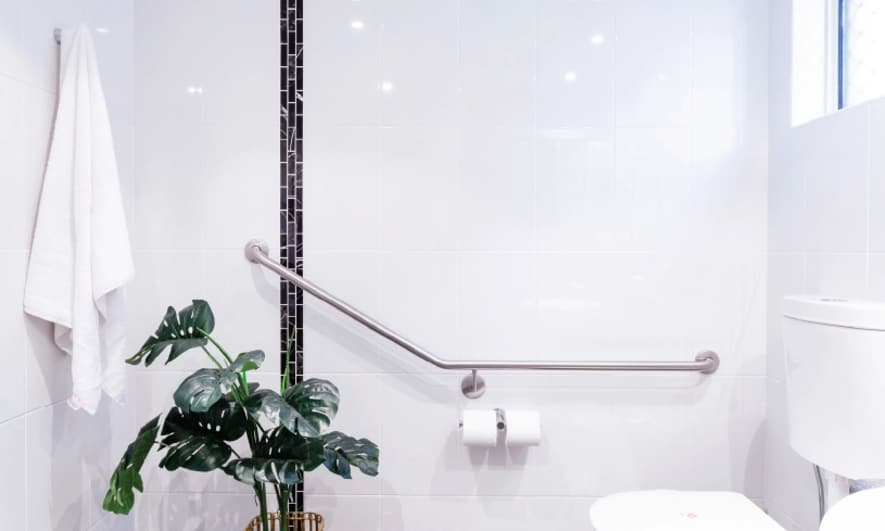
- Grab bars in bathrooms
- Handrails along stairs and walkways
- Reachers or grabber tools for hard-to-access items
- Frequently used items stored at accessible heights
- Non-slip flooring and rugs
- Seating options for household tasks
- Improved organization to reduce unnecessary reaching or bending
The goal is to create a home environment that works with your abilities instead of creating unnecessary obstacles.
A safer home often starts with identifying and addressing common household hazards. Small improvements can help lower the risk of falls, burns and other injuries.
Consider:
- Keeping walkways clear of clutter
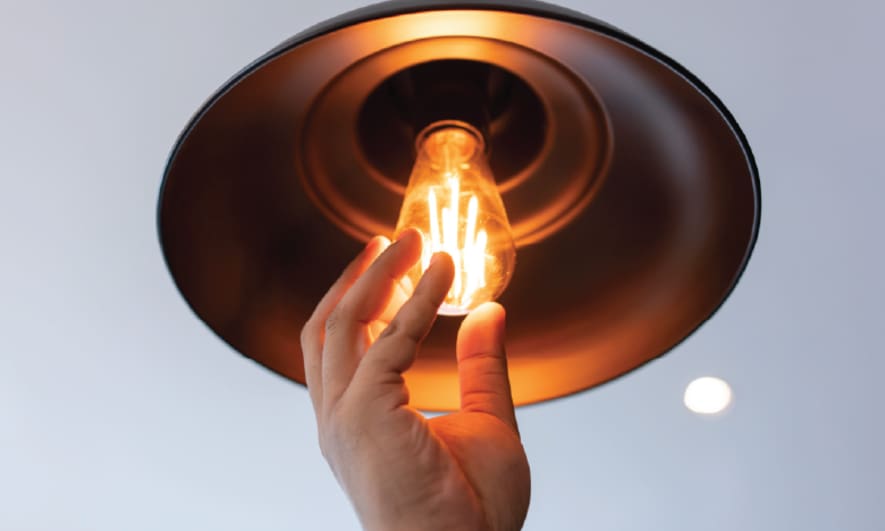
- Improving lighting in high-traffic areas
- Testing smoke detectors regularly
- Reducing tripping hazards
- Using easy-to-operate appliances and controls
- Keeping emergency contact information easily accessible
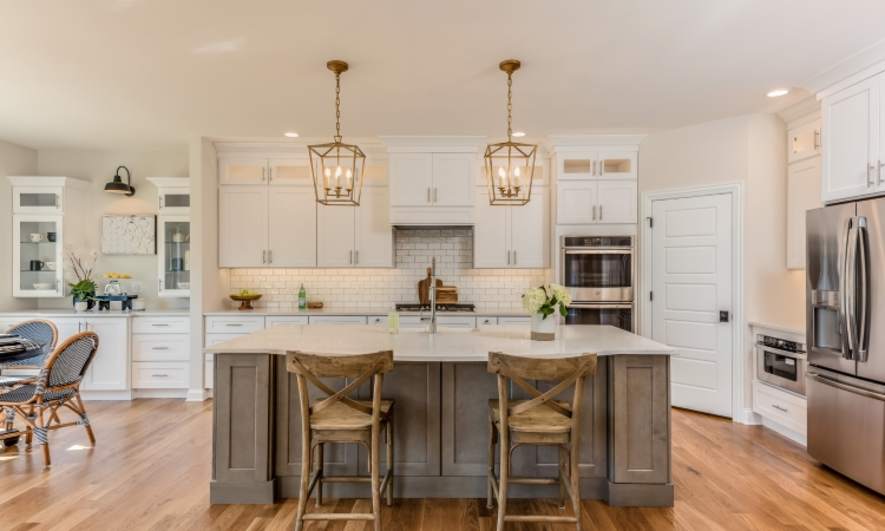
- Ensuring frequently used items are easy to locate and reach
Home safety improvements can benefit everyone in the household, including visitors and caregivers.
Technology can make it easier to manage daily routines and monitor the home environment. Many devices are designed to increase convenience while reducing safety concerns.
Examples may include:
- Motion-sensor lighting
- Automatic night lights
- Medication reminder systems
- Talking devices and voice-enabled technology
- Emergency lighting for power outages
- Smart home monitoring devices
- Amplified telephones and communication tools
When thoughtfully selected, these tools can help older adults maintain independence while providing additional peace of mind for family members.
Home modifications don't need to happen all at once. In many cases, the best approach is to identify small improvements that address immediate needs while also considering future changes.
As you evaluate your home, ask yourself:
- Is it easy to move around safely?
- Are important items easy to see and reach?
- Does the lighting support everyday activities?
- Could simple products make daily tasks easier?
- Are there safety concerns that should be addressed now?
By planning ahead and making gradual improvements, you may be able to remain comfortable, confident and independent in your home for years to come.