

Today’s manufacturers are investing heavily in automation, reshaping supply chains and adapting to evolving workforce and sustainability demands. However, efforts to solve one challenge can create risks elsewhere. Understanding those connections may be one of the most important competitive advantages for manufacturers in 2027.
These five manufacturing industry trends highlight the need for organizations to build resilience into every decision, from technology investments to workforce development and supply chain strategy.
1. AI-Enabled Smart Manufacturing and Automation
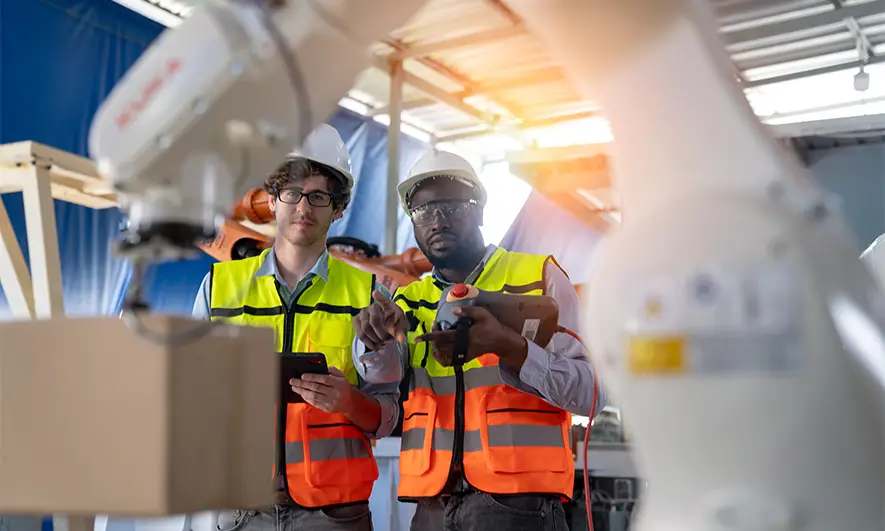
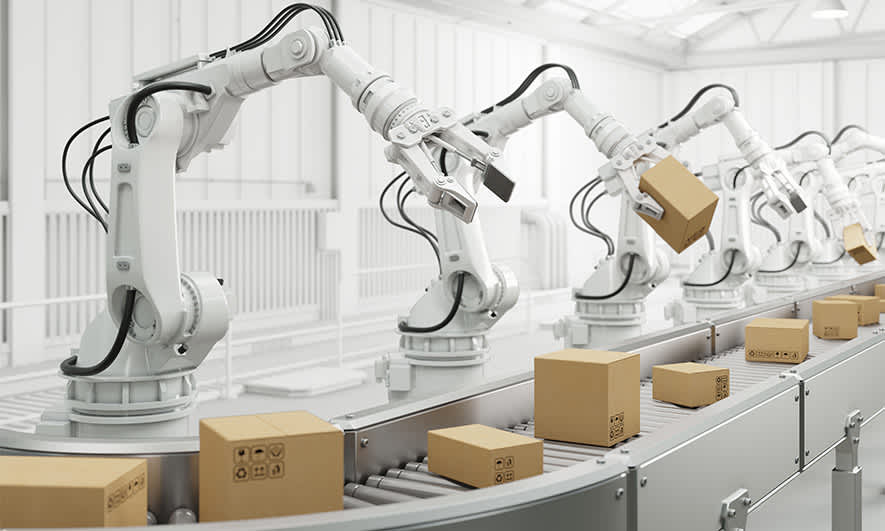
Artificial intelligence is moving beyond experimentation and becoming part of day-to-day operations. Nearly half (49%) of industrial manufacturing executives report active AI use cases already delivering business value, while 68% expect to deploy AI at scale within the next 12 months.1
Potential benefits include improved efficiency, reduced downtime through predictive maintenance, more consistent product quality and faster product development.
“The conversation has shifted from whether manufacturers should adopt AI to how they can implement it safely and effectively,” says Tony Germano, head of manufacturing at The Hartford. “Leaders are focused on realizing operational benefits while maintaining strong controls around reliability, cybersecurity and workforce readiness.”
As adoption grows, manufacturers face challenges involving data quality, system integration and governance. Technology failures, automation errors and poor data quality can contribute to production disruptions, product defects and equipment issues.
Potential benefits include improved efficiency, reduced downtime through predictive maintenance, more consistent product quality and faster product development.
“The conversation has shifted from whether manufacturers should adopt AI to how they can implement it safely and effectively,” says Tony Germano, head of manufacturing at The Hartford. “Leaders are focused on realizing operational benefits while maintaining strong controls around reliability, cybersecurity and workforce readiness.”
As adoption grows, manufacturers face challenges involving data quality, system integration and governance. Technology failures, automation errors and poor data quality can contribute to production disruptions, product defects and equipment issues.
2. Supply Chain Regionalization Amid Geopolitical and Trade Volatility
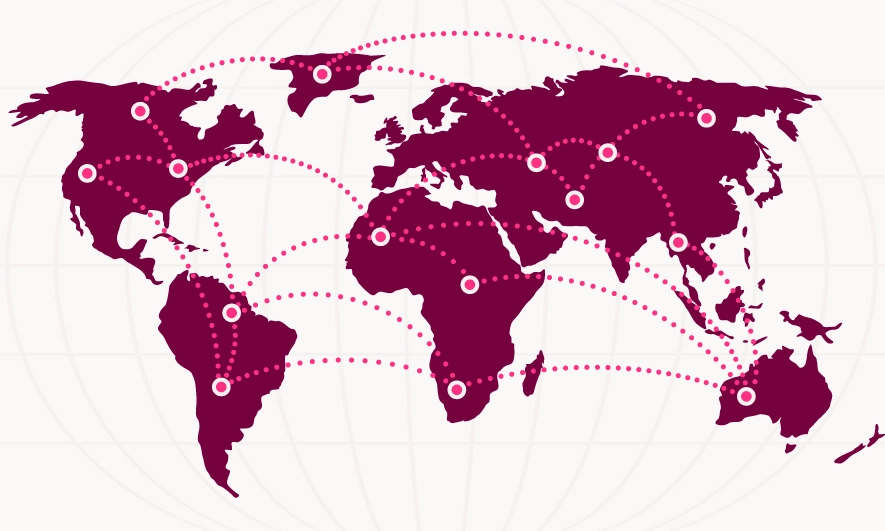
Supply chain priorities continue to evolve from cost optimization toward resilience and flexibility. Manufacturers are increasingly evaluating nearshoring, reshoring and regional sourcing strategies in response to trade uncertainty, geopolitical tensions and ongoing disruptions.
Resilience remains a top priority. In one survey, 83.1% of manufacturers cited rising raw material costs as a top business challenge, while 71.8% identified trade uncertainty as a key concern.2
While diversification may reduce reliance on overseas suppliers, it can create new concentration risks. Manufacturers should identify critical suppliers, understand recovery timelines and evaluate potential impacts from disruptions affecting key vendors, transportation routes or infrastructure providers.
Resilience remains a top priority. In one survey, 83.1% of manufacturers cited rising raw material costs as a top business challenge, while 71.8% identified trade uncertainty as a key concern.2
While diversification may reduce reliance on overseas suppliers, it can create new concentration risks. Manufacturers should identify critical suppliers, understand recovery timelines and evaluate potential impacts from disruptions affecting key vendors, transportation routes or infrastructure providers.
3. Cyber-Physical Risk and Operational Technology Security
The stakes continue to rise for manufacturers operating in connected environments. In one survey, 53% of manufacturers named cybersecurity among their greatest risks to business success, while 60% identified it as their largest supply chain risk.3
Manufacturers increasingly rely on connected production systems, cloud platforms, smart devices and third-party vendor access. The convergence of information technology (IT) and operational technology (OT) creates new pathways for cyber events to disrupt production and create physical consequences.
These cyber incidents can impact business continuity by causing downtime, equipment damage and broader supply chain disruptions. Manufacturers should assess cyber-physical scenarios and develop plans for incident response, recovery and operational continuity.
“Technology, cybersecurity and workforce readiness can no longer be managed separately,” says Germano. “As manufacturing environments become more connected, organizations need employees who understand both the operational and risk implications of new technologies.”
Manufacturers increasingly rely on connected production systems, cloud platforms, smart devices and third-party vendor access. The convergence of information technology (IT) and operational technology (OT) creates new pathways for cyber events to disrupt production and create physical consequences.
These cyber incidents can impact business continuity by causing downtime, equipment damage and broader supply chain disruptions. Manufacturers should assess cyber-physical scenarios and develop plans for incident response, recovery and operational continuity.
“Technology, cybersecurity and workforce readiness can no longer be managed separately,” says Germano. “As manufacturing environments become more connected, organizations need employees who understand both the operational and risk implications of new technologies.”
4. Workforce Scarcity and the Widening Skills Gap
Manufacturers continue to face workforce challenges, but the issue is increasingly centered on skills rather than headcount alone. Nearly 89% of industrial manufacturing executives believe managing AI agents will become an important workplace skill within the next five years.4 At the same time, the manufacturing industry could face up to 1.9 million unfilled jobs by 2033 if companies cannot attract and develop sufficient talent.4
Demand is growing for workers with expertise in automation, industrial controls, data analytics and cybersecurity. Yet many organizations are adapting to an aging workforce and changing employee expectations. Manufacturers should align technology investments with workforce training and succession planning to support safe and effective adoption.
Demand is growing for workers with expertise in automation, industrial controls, data analytics and cybersecurity. Yet many organizations are adapting to an aging workforce and changing employee expectations. Manufacturers should align technology investments with workforce training and succession planning to support safe and effective adoption.
5. Climate, Energy and Resource Resilience
Weather events, energy demand and resource availability are increasingly influencing manufacturing operations.
Manufacturers are increasingly viewing sustainability as a competitive advantage. In one survey, 63% ranked sustainable manufacturing among their greatest business opportunities, suggesting resilience and sustainability investments can support growth as well as risk management.5
Organizations are evaluating how climate risks, growing energy demand and infrastructure pressures may affect facilities, utilities, transportation networks and supplier operations.
Understanding how climate and infrastructure risks may affect operations can help organizations strengthen resilience and support long-term business continuity.
Manufacturers are increasingly viewing sustainability as a competitive advantage. In one survey, 63% ranked sustainable manufacturing among their greatest business opportunities, suggesting resilience and sustainability investments can support growth as well as risk management.5
Organizations are evaluating how climate risks, growing energy demand and infrastructure pressures may affect facilities, utilities, transportation networks and supplier operations.
Understanding how climate and infrastructure risks may affect operations can help organizations strengthen resilience and support long-term business continuity.
A Risk Perspective on Emerging Manufacturing Trends
Each of these trends creates opportunities for growth, efficiency and innovation, but they can also introduce interconnected risks.
Technology investments, workforce challenges, supply chain disruptions, cyber incidents and climate-related events rarely occur in isolation. Emerging risks can affect operations, employees, customers and long-term business performance. Manufacturers that understand these connections and plan for cross-functional impacts will be better positioned to build resilience.
Learn how manufacturing insurance can help reduce risk and support business continuity.
Technology investments, workforce challenges, supply chain disruptions, cyber incidents and climate-related events rarely occur in isolation. Emerging risks can affect operations, employees, customers and long-term business performance. Manufacturers that understand these connections and plan for cross-functional impacts will be better positioned to build resilience.
Learn how manufacturing insurance can help reduce risk and support business continuity.