Gutter‑Related Home Damage by Region and Season
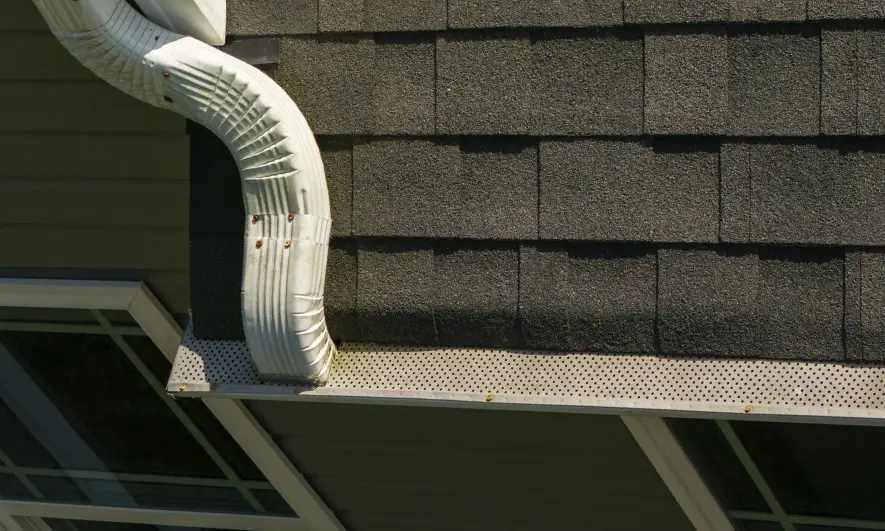
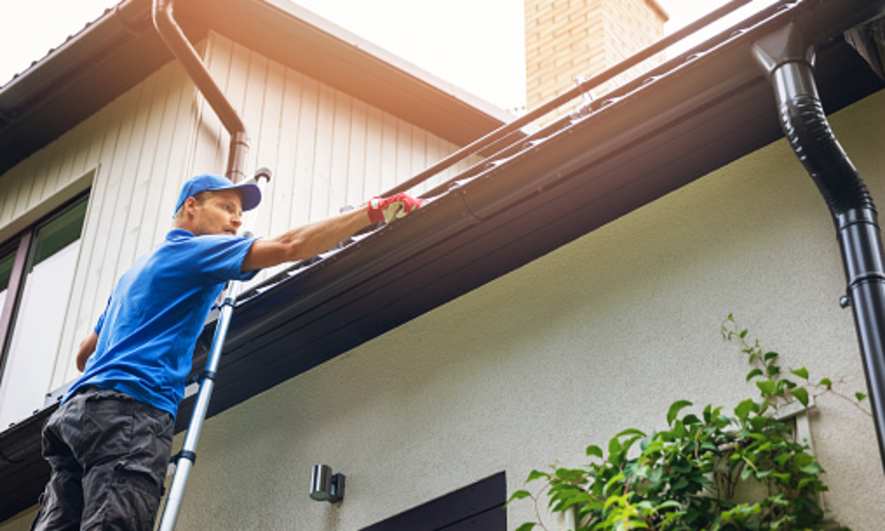
No matter where you live, gutter guards can help protect your home from weather-related risks.
- Winter: Ice dams form when clogged gutters trap water that refreezes, causing leaks, fascia damage and interior staining.
- Spring/Summer: Heavy rains overwhelm clogged gutters, leading to rot, siding damage and even pest infestations.
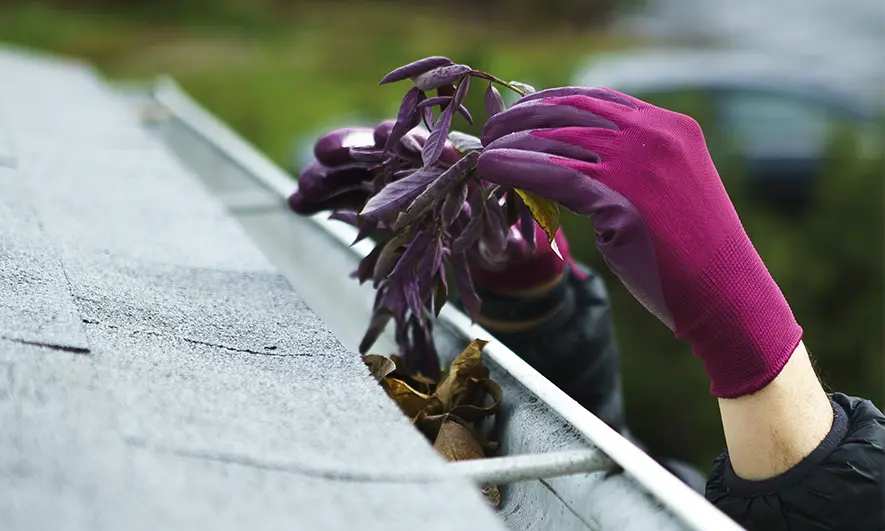
- Fall: Peak leaf season = peak clog season. Without guards, gutters may overflow, which contributes to up to 22.6% of water related home insurance claims.
- Regional Variability: Homes in heavily wooded, high rainfall or snowy climates (e.g., Northeast, Pacific Northwest, Midwest) see significantly more gutter related damage due to leaf volume and freeze thaw cycles.
While exact national penetration varies,
market research shows the U.S. gutter guard market has surpassed $1.1 billion, indicating widespread and growing adoption.
Smart Landscaping Can Help Protect Your Home
Landscaping does more than improve curb appeal. The trees, shrubs and garden features around your home can also affect your property's safety and maintenance needs. Poor landscaping choices may contribute to drainage problems, damage underground utilities or increase the risk of costly repairs.
Keep Trees and Shrubs Well Maintained
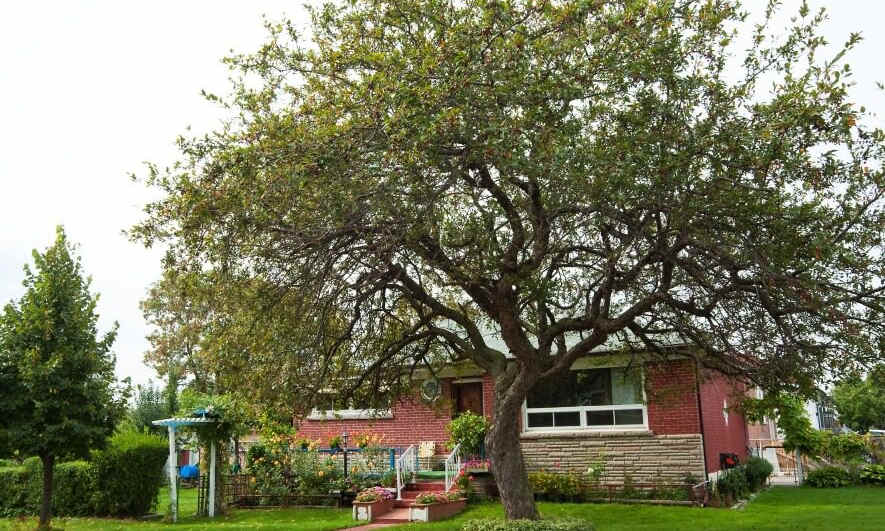
Overgrown trees and shrubs can cause problems for both your roof and gutter system. Tree branches that hang over your home may drop leaves, twigs and other debris into gutters, increasing the likelihood of clogs. Regular pruning can help reduce buildup and support proper water drainage.
It's also important to monitor trees for signs of disease, storm damage or decay. Dead or weakened trees and branches can fall during severe weather and damage your roof, gutters, vehicles or other structures on your property.
Help Water Flow Away From Your Home
Proper drainage is one of the most important aspects of protecting your home's foundation. Landscaping should be designed to direct water away from the house rather than allowing it to pool near the foundation.
Consider these landscaping tips:
- Grade soil so water flows away from your home.
- Avoid placing large landscape features where they can block drainage.
- Use mulch and plants strategically to help manage water runoff.
- Inspect your yard after heavy rains to identify standing water issues.
Combined with properly functioning gutters and gutter guards, good drainage can help reduce the risk of water damage.
Know What's Underground Before You Plant
Before planting trees or installing major landscape features, find out what utility lines may be buried beneath your property. Tree roots can grow into sewer lines and other underground systems, potentially causing expensive repairs.
Call 811 before digging so local utility companies can mark underground lines. Choosing appropriate plants and planting locations can help protect both your landscaping investment and critical utilities.
Create Defensible Space Around Your Home
In areas prone to wildfires, landscaping can play a role in reducing fire risk. Keeping grass trimmed, removing dead vegetation and maintaining space between plants and structures may help slow the spread of fire and improve safety around your home.
Even in regions where wildfires are less common, removing dead trees and overgrown vegetation can reduce other property risks and improve overall yard maintenance.
According to recent rates, professional installation ranges from $7 to $12 per linear foot on average, or about $1,400-$2,400 for a typical home.
Guard‑type price ranges:
- Reverse Curve: $15-$20/ft installed
- Micro‑Mesh: $8-$12/ft installed
- Screens: $2.50-$6/ft installed
- Foam Inserts: $4.50-$9.50/ft installed
- Brush Guards: $4-$8/ft installed
Major factors affecting
cost include roof pitch, gutter length, material choice and local labor rates.
Turns out, homeowners aren’t just blowing leaves around. In some cases, they’re blowing time and money, too.
A
nationwide homeowner survey found that 70% installed gutter guards to prevent clogs and flooding, with 69% reporting being very satisfied with their value. Not to mention, 42% of homeowners saved 4-8 hours per year in maintenance thanks to gutter guards.
In summary: gutter guards reduce clogs and help both you and your home’s safety, with less need to pull the ladder out and fewer Saturday afternoons spent scooping out soggy leaves or icky debris.
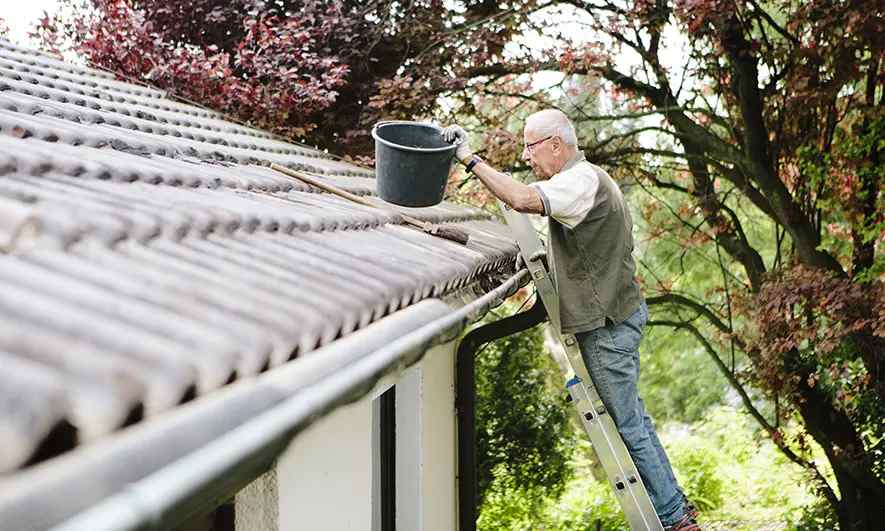
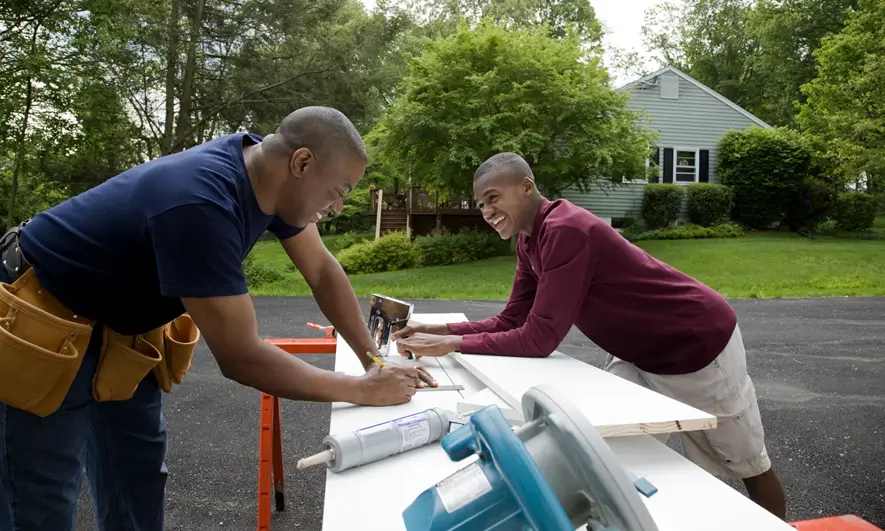
Even if you’re confident in your knowledge of how to install gutter guards correctly, it’s a good idea to think critically about the DIY route versus calling in the professionals.