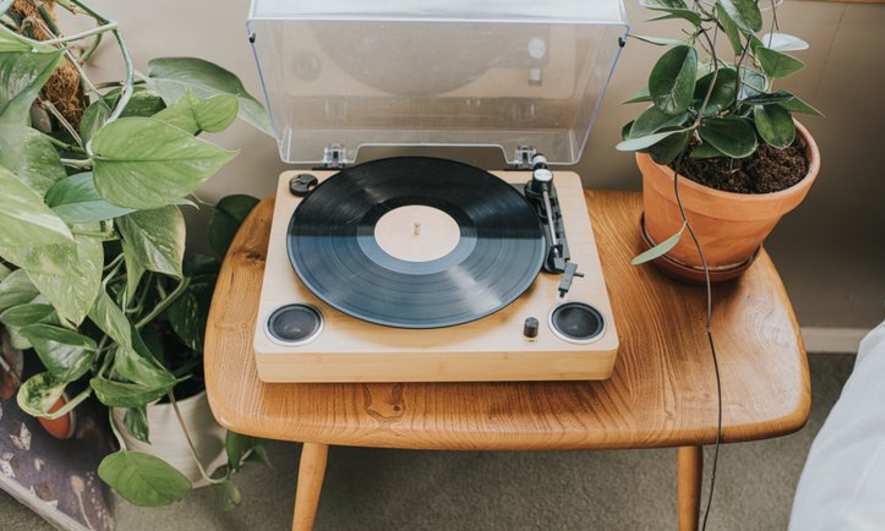
Now that you have some inspiration for different ways of reading, consider these time-tested health benefits of getting lost in a good book.
Keep Your Memory Sharp
Engaging in frequent cognitive activity – like reading – has major benefits, and can even
reduce the rate of decline by 32 percent for later in life. Even if you or are a loved one are already in the early stages of a memory loss diagnosis, keep reading. It’s never too late, and the benefits still apply.
The best part? You don’t have to read a scientific journal to reap these benefits. In fact, choosing the kind of book that really draws you in is best because leisure reading helps build episodic memory (comprehension and context) and working memory (focusing on the act of reading), according to
research from the University of Illinois Urbana-Champaign.
Reduce Depression and Anxiety
Do you find yourself awake at night with worry or stuck at home with social anxiety? Or maybe you’re coping with grief or seasonal depression? Try reading a book rather than doomscrolling online, counting sheep while tossing and turning or turning on late night TV. Often, those blue screen activities disrupt natural sleep cycles,
according to researchers.
Audiobooks can be a peaceful way to slow down racing thoughts or help fall asleep, especially listening to readers with a soft tone of voice or gently soothing accent. Some streaming platforms even offer short stories specifically for bedtime.
Stay Connected Through Reading
Feeling isolated and lonely can lead to depression and increased anxiety. Social disconnection is also linked to an increased risk of heart disease, stroke and dementia for older adults.

But not everyone wants to be out and about, especially if you prefer cozying up at home with a good book. If that sounds like you, consider starting or joining a virtual book club via Zoom to discuss books with friends near and far. You could also meet a friend or neighbor at your local library – libraries often offer a robust calendar of social events, too – usually at no cost.
If you want to improve connection with your grandkids, near or far, find out what they’re reading and pick a date to talk to them regularly about what they’re reading or what’s on their TBR (to-be-read) lists.

 Woke up to a midnight call and can’t fall back asleep? Shuffling grandkids from point A to B? Trying to get more steps in? Enter: digital books. They go with you! Whether you’re at home or on the go, your book is there, too.