
It’s well known that having a dog can inspire you to take walks and socialize more. But the health benefits of pets aren’t limited to dogs or cats; they also extend to include more unusual pets.
As you get older, you may want to consider a pet that fits in with your changing lifestyle. That may mean branching out to pets you hadn’t considered in the past.
Keep reading to learn the top health benefits of pets, plus suggestions for a few less-common pets that you may not have considered adding to your household … yet.
Pets: A Plus for Your Health
More than 94 million households have at least one pet, and these animal companions can provide an array of health benefits. Here are some of the ways a furry, feathered or scaly companion may help keep you healthy and even extend your life.
- Having a pet may boost your heart health. Pets can offer not only love but actual heart-health benefits. Having a pet can reduce the risk of death from heart-related causes and lower the odds of a cardiac event in people with cardiovascular disease, according to research from the National Library of Medicine. Studies also show that interacting with pets may lower blood pressure in people with hypertension.
- An animal companion can provide a daily dose of calm. Everyday life can get stressful, and anything you can do to reduce stress is good for your health. One study on pets and stress reduction found that just 10 minutes of petting shelter animals significantly reduced the levels of the stress hormone cortisol in students who were taking an exam.
- Spending time with a pet can ease loneliness. The loneliness epidemic has been tied to a range of health problems including depression, dementia and heart disease. One study on pets and loneliness found that older adults with pets were 36% less likely to tell their doctors they were lonely. Having a pet may create a sense of purpose and lead to increased interaction with others, whether it’s through visits to a pet store or veterinarian’s office.
- A pet can boost your brain power. Keeping your brain in shape can be a big concern as you age. In fact, one in 10 adults over age 45 reports dealing with memory loss. But a study on pet ownership and aging found that having a pet or just spending time with one was linked to better cognitive function and memory in older adults.
Of course, these health benefits alone aren’t a reason to run out and get a new pet. But if you’re so inclined, they’re definitely a bonus.
Uncommon Pets To Add to Your Life
Wondering if a different kind of pet might be right for the next phase of your life? There are plenty of factors to consider when choosing a new pet, from daily care needs to up-front and ongoing costs. Here are some less-common pets you may want to consider and a few fast facts to help you decide if the pet might be a good fit for you.
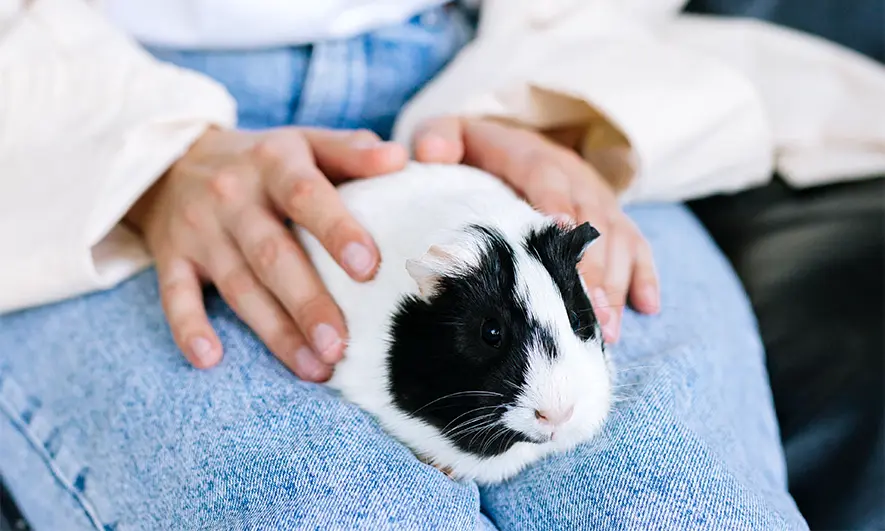
Guinea Pig
Guinea pigs make great pets because they’re friendly, easy to handle and relatively low maintenance. Guinea pigs enjoy eating fresh vegetables, and they make a high-pitched squeaking noise when they get excited (for example, if they hear you coming with lettuce). Guinea pigs move slowly and aren’t as likely to get lost in the house as, say, a hamster. These highly social “herd animals” do best in pairs of either two females or a male and a female, with at least one of the pair being spayed or neutered.