
Many companies have relaxed their social media policies in recent years. For one, more companies want their workers to be active on social media, and it may even be part of their job description. Some studies have even found that employees who use social media outperform those who don’t and come up with more innovative ideas.
But sometimes employee social media usage gets out of hand — whether they’re using it at home or from their work computer. These situations can put companies in a prickly position, as they are forced to decide whether the social media blunder is severe enough to warrant termination.
Here’s a look at common reasons people get fired for their social media usage along with real-life examples:
1. Badmouthing customers
A common reason employees’ social media usage gets them fired is they made a disparaging remark about a customer. That’s how Tamlynn Yoder got herself canned from an Outback Steakhouse in Florida in 2018, according to The Daily Meal. Venting about not getting a tip on a large order placed by a church group, Yoder wrote on her personal Facebook page that she made only $18 in tips that day because she spent nearly the entire shift preparing the large food order.
A friend of Yoder’s reached out to the church group about the post. The church group then contacted the restaurant to try to get a tip to Yoder. Instead, she was fired. Yoder’s post on Facebook was against Outback’s policy on posting about customers on social media.
2. Making distasteful or derogatory comments
It’s not just employees that get in trouble; sometimes executives get in trouble, too.
Mary Bono, the interim CEO of USA Gymnastics, resigned after five days on the job. Bono faced backlash after an old tweet was discovered that was critical of Nike’s endorsement deal with Colin Kaepernick. The tweet showed Bono blacking out the Nike logo on her shoes.
As the backlash grew, Bono tweeted: “I regret the post and respect everyone’s views & fundamental right to express them. This doesn’t reflect how I will approach my position (at USA Gymnastics). I will do everything I can to help build, w/ the community, an open, safe & positive environment.”USA Gymnastics accepted Bono’s resignation and issued a statement, saying “we believe this is in the best interest of the organization.”
3. Disclosing sensitive, inappropriate information
Since nearly everyone carries around a camera on their smartphones these days, photographs are getting employees in more and more trouble.
An employee of an assisted living home in Alpena, Michigan, , was fired in 2017 after taking a photo of an 81-year-old resident with Alzheimer’s disease. The photo was posted on Snapchat, according to a ProPublica investigation. The photo was taken without the resident’s permission and violated the facility’s policies and procedures.
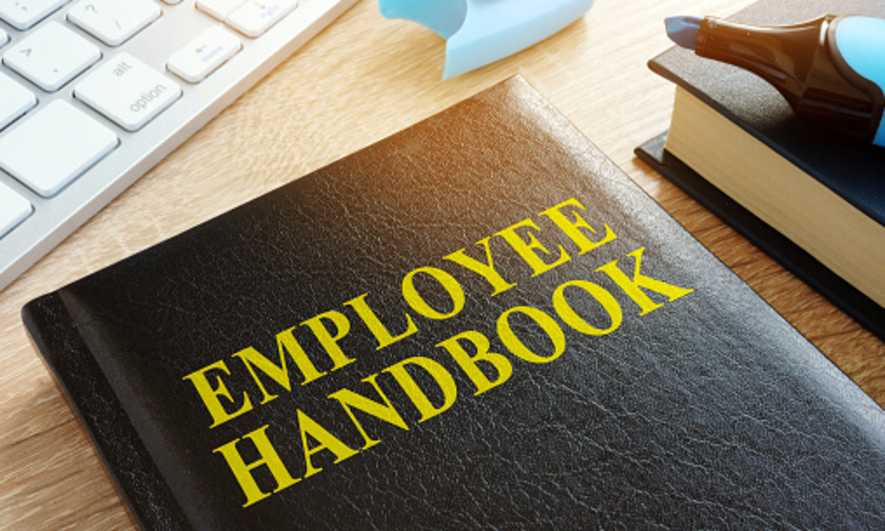
The facility’s handbook prohibited any photography of home residents. But the employee clearly took it a step further by posting a distasteful photo of a resident on her social media account without permission to do so.
4. Inciting or celebrating violence
How someone reacts to current events or news, especially if those reactions are seen as insensitive or celebrating violence and illegal activity, can lead to trouble. A Utah Transit Authority employee was fired in July 2018 after he was caught on video berating a group of women on a train, according to a local Fox affiliate.
“These are not the kind of encounters we ever want to see happen on our trains, or our buses, or any of our vehicles,” a spokeswoman told the Fox affiliate.
All these situations might be good reasons for companies to think about creating a social media policy, if they don’t have one already. Employees should be responsible for reading, understanding and signing the policy to ensure that they know the rules, and to give the company more legal protection in case an employee abuses them.