Contributor: Michael White, MS, MBA, CPE; Managing Director Ergonomics
Creating a safe and comfortable workplace isn’t just about avoiding accidents, it’s about helping your employees feel supported so they can do their best work every day. Whether your business is a retail shop, office, warehouse or job site, the way work is set up can have a real impact on how people feel at the end of the day.
Over time, everyday tasks like lifting, reaching, standing or working at a computer can lead to musculoskeletal disorders (MSDs) — injuries that affect muscles, joints, tendons or nerves. These injuries don’t usually happen out of the blue. Instead, they often develop gradually from repeated movements or uncomfortable positions.
The good news? With a thoughtful, practical approach, many of these risks can be reduced. That’s where ergonomics comes in.
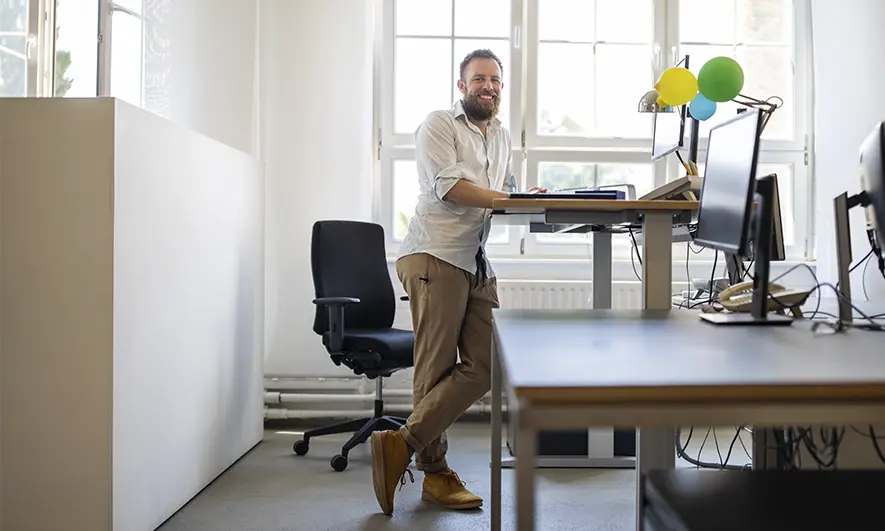
Ergonomics is about setting up work so it fits the person doing it – not the other way around. Small adjustments to workstations, tools or processes can make everyday tasks more comfortable and help reduce strain on the body.
For small business owners, ergonomics can play an important role in promoting workplace safety and helping prevent injuries that may lead to workers’ compensation claims. Often, the most effective improvements are simple, practical changes based on how work is actually done, not a complete overhaul of the workplace.
That day-to-day focus is key, says Michael White MS, MBA, CPE; Managing Director of Ergonomics at The Hartford.
“For small businesses, ergonomics is really about prevention in everyday work – how tasks are performed, how workspaces are set up and how employees move throughout the day,” White explains.
Over time, repetitive motion, awkward postures and forceful material handling can take a toll. According to White, musculoskeletal disorders often develop gradually and account for roughly 30% of workplace injuries that result in time away from work.
“By focusing on simple, practical improvements like adjusting work heights, reducing repetitive, wasteful movements and incorporating material handling equipment – businesses can take a proactive approach to safety and help prevent issues before they develop,” he says.
Before you can improve workplace comfort, it helps to understand what puts employees at risk in the first place. Musculoskeletal disorders are commonly associated with:
- Repetitive tasks
- Awkward postures, such as reaching above shoulder height, kneeling, squatting, leaning or twisting while lifting
- Holding the same position for long periods of time
- Applying excessive force to lift, push or pull heavy objects
Knowing these risk factors makes it easier to spot potential problems early before discomfort turns into an injury.
Every workplace is different, which is why your best insights often come from observation and listening. Pay attention to how work gets done each day. Where do employees seem uncomfortable? Which tasks require repeated movements or awkward positions?
“Observation and active listening are especially effective tools when assessing ergonomics risk,” White notes.
Encourage conversations about what feels difficult or tiring and look for patterns in reported discomfort or minor injuries. These early warning signals can point to opportunities for improvement.
“When businesses notice these early signals, they have an opportunity to make simple adjustments to help prevent minor discomfort from developing into more serious injuries over time,” he adds.