
A Guide to Bone Health: Staying Strong in Your 60s and Beyond
Wellness Fitness & Exercise

A Guide to Bone Health: Staying Strong in Your 60s and Beyond

6 min read
Over 60? Learn more about bone health and try these simple exercises to keep your skeleton strong.
Get a Bundle Quote
The Hartford offers the only auto and home insurance endorsed by AARP.
Say hello to your bones – all 200+ of them! Adults have anywhere from 206 to 213 bones, and they’re the infrastructure of the human body. With that many moving parts, it’s no wonder joint pain and bone conditions can be debilitating. And these challenges become more common as we age.
 
Maybe your joints snap, crackle and pop when you get out of bed. Maybe your knees are the ones you were born with. No matter where you fall on the orthopedic spectrum, this guide is for you. Below, we’ll walk through the basics of bone health and share ways to keep your bones strong in your 60s and beyond.
 

Common Bone Health Terms to Know

We’ll start by breaking down a few terms that will help you understand why bone health matters – and why not all skeletons are created equal.
Bone density

The National Council on Aging (NCOA) says 65% of bone tissue is made up of minerals (calcium and phosphorus, to be exact), which is what makes our bones solid. The more minerals in our bones, the more dense they are. After we turn 50, we start losing bone mineral density, or bone mass, faster than we can regenerate it. And women may lose up to 20% of bone density within 5 to 7 years after menopause sets in.

Osteoporosis

As you pack your cooler or party tub, use a little science to keep your drinks colder: Put your bottles and cans in the cooler first and then cover them with ice. Why? Cold air travels downward, meaning the ice will be more effective when placed on top.

Osteopenia

You can buy bags of ice at a local convenience store to use in your coolers. But you can spice up the ice that you put into your guests’ drinks by making flavored ice cubes from juice or soda. You can even add pieces of fruit or herb sprigs to the cubes for extra flair. Another option: Buy reusable ice cubes to avoid watering down your guests’ drinks.

Bone Health Care Providers

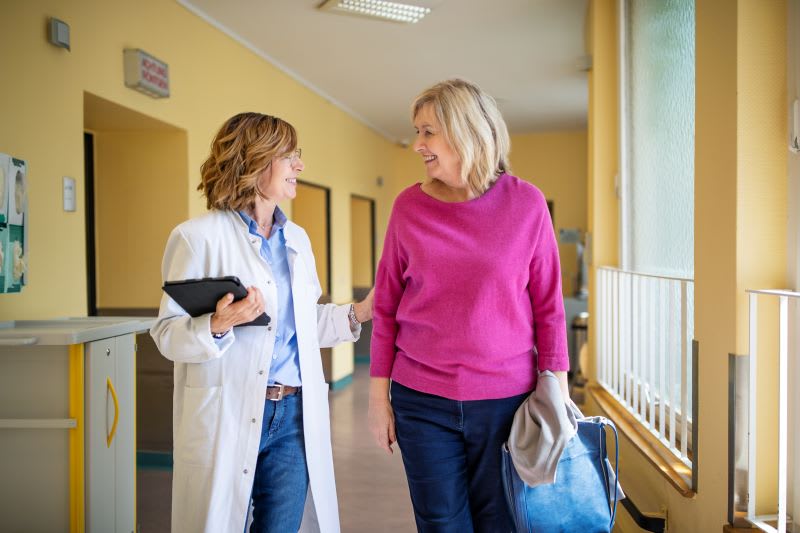
The doctors replacing knees and hips aren’t the only ones who support skeletal health among older adults. Here are some of the other health professionals who may offer services and care.
 
  1. Physical therapists. Improve balance, function and strength with the guidance of these movement specialists.
  2. Gynecologists. Loss of estrogen during menopause is a major factor impacting bone density, increasing the risk of fractures and joint aches and pains. Post-menopausal women may find tailored guidance and recommendations from their gynecologists, such as appropriate supplements or medications to replace hormones and minerals that support bone strength. Gynecologists may also suggest seeing a nutrition or exercise specialist who understands the impact of menopause on bone health.
  3. Orthopedic surgeons. If the pain in your joints and bones persists despite lifestyle changes and other interventions, you may want to consider a knee, hip or shoulder replacement performed by an orthopedic surgeon. If you experience a fracture that requires surgery, an orthopedic surgeon will likely make the repair.
  4. Rheumatologists. Autoimmune conditions and other musculoskeletal disorders can impact bone health. In these cases, coordination with a rheumatologist may be a wise next step.
  5. Primary care providers. Ask your primary care provider for their perspective on a bone health treatment plan. They can also refer you to a specialist once they have a better idea of what’s going on.
  6. Geriatricians. These healthcare professionals specialize in aging, so their expertise in all things bone-related is extensive.
  7. Endocrinologists. Since hormonal changes (in both men and women) often contribute to the loss of bone density, these care providers may offer recommendations for osteoporosis support.
Bone Health Care Providers

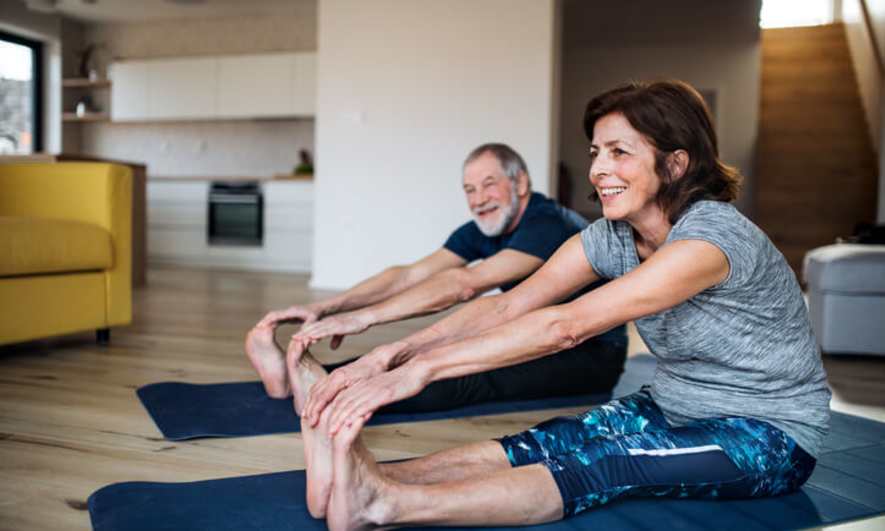
5 Ways to (Safely) Exercise Your Bones

Your body is unique, and so are all 200+ of your bones. Talk to your doctor before starting any new fitness regimen to determine if there are any precautions you should take. If you already have osteoporosis, you’ll need to steer clear of certain exercises and movements.
 
As you move through these exercises, be gentle and listen to your body.
 
  1. Stomp your feet. This move is not just for demanding toddlers! According to AARP, the jolt you get from stomping stimulates your bones – and it’s good for you. If you walk for exercise, incorporate a foot stomp every 10 or so steps. Make sure there’s some real “oomph” behind it too; imagine you’re crushing a soda can with your feet.
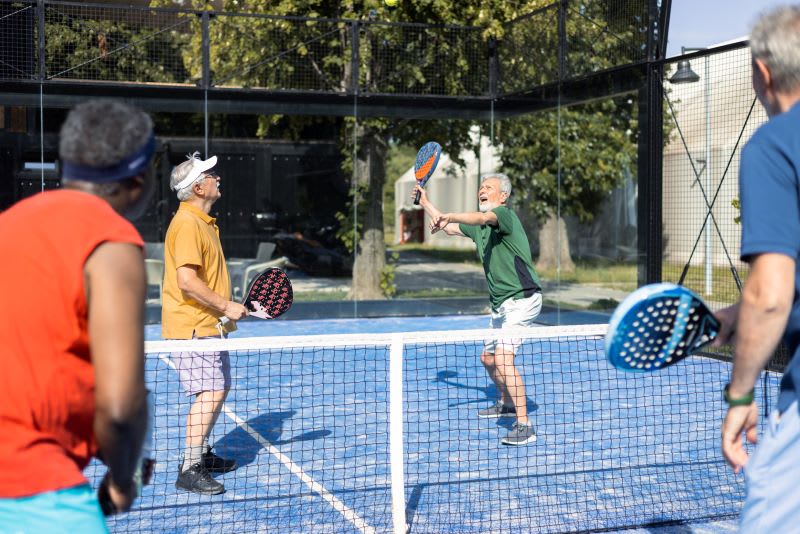
  2. Surprise your bones. Research has shown that abruptly changing direction while working out – think pivoting in pickleball or tennis – strengthens the bones. Much like stomping, the force of movement and contact between your feet and the pavement is good for your skeletal system.
  3. Hit the stairs (or the dance floor). The movement involved in going up and down stairs is beneficial for bone health. Add some light handheld weights (or ankle weights) for a bonus boost – but mind your balance!
  4. Stand on one foot. Speaking of balance, bone health isn’t all about power and force. Sometimes, it’s about fine-tuning your posture or holding a particular position. Tai chi is a great way to improve stability and strength. (Bonus: Check out these tips on keeping your feet healthy.)
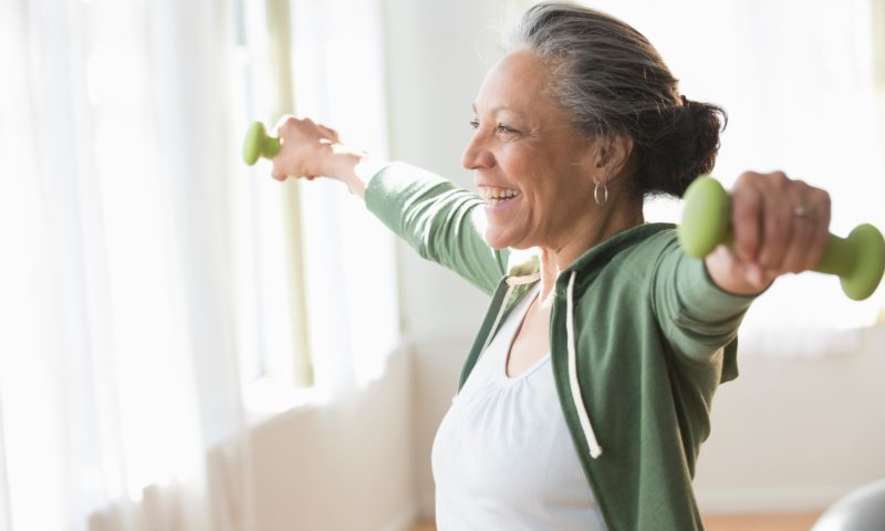
  5. Add resistance. Layer in the free weights, fitness bands, or your own body weight (think push-ups – you can do them against the wall if you don’t want to drop and give 20) to bolster density. Resistance makes your bones work harder, which in turn makes them stronger. Make sure to rest a full day between resistance sessions.
5 Ways to (Safely) Exercise Your Bones

Prioritize Bone Health for Lasting Benefits

If your ancestors had healthy bones and joints, you can thank your good genes for such a gift. Still, as your body ages, so does its structural system – but there are many ways you can maintain it.
 
Whether you’re facing your next decades with osteoporosis or recovering from a surgery following a fall, take control of your bone health by trying some of these simple exercises or scheduling an appointment with your provider.

Tips To Navigate the Road of Life

We go the extra mile to deliver insights and brain teasers straight to your inbox. Start your free subscription from The Hartford today.
 

Related Articles

The content displayed is for information only and does not constitute an endorsement by, or represent the view of, The Hartford.