4. Poor Nutrition and Dehydration
Malnutrition in general can increase your risk for hypothermia, as a low body mass index can interfere with your body’s ability to regulate temperature. Specifically, when your body isn’t getting enough iron,
it can be difficult to maintain your body temperature, making you more susceptible to hypothermia. This is one of the many reasons why it’s important to maintain a balance diet.
Dehydration increases your risk of hypothermia, according to
Cleveland Clinic. When your body is dehydrated, your blood volume may be lower. This affects the body’s circulation and can cause your body to lose heat faster, which may lead to hypothermia.
5. Mental Health and Medical Conditions
Medical or mental health conditions, such as high blood pressure, dementia, hypothyroidism or drug abuse disorder, may come with an increased risk of catching hypothermia. People with dementia or drug abuse disorder may not recognize when they’re exposed to extreme cold, from the outdoors or even their home thermostat, and also could have trouble getting dressed properly for cold temps. Low blood glucose levels associated with diabetes can also contribute to hypothermia as your body needs sufficient glucose stores to induce shivering.
Skin disorders such as psoriasis and burns can lead to insufficient heat production in the body, making you more susceptible to a lower body temperature and hypothermia.
While the above factors raise the risk of hypothermia, especially for older adults, you can take the below nine steps to stay safe and prevent hypothermia and frostbite, both indoors and outdoors.
- Stay inside during extreme temperatures.
- Dress properly: Wear a balaclava or scarf that covers your face, gloves or mittens, a hat, water-resistant boots, and layered, loose-fitting clothing.
- Set your home thermostat at 68° Fahrenheit or higher.
- Remove wet clothing immediately to avoid getting cold.
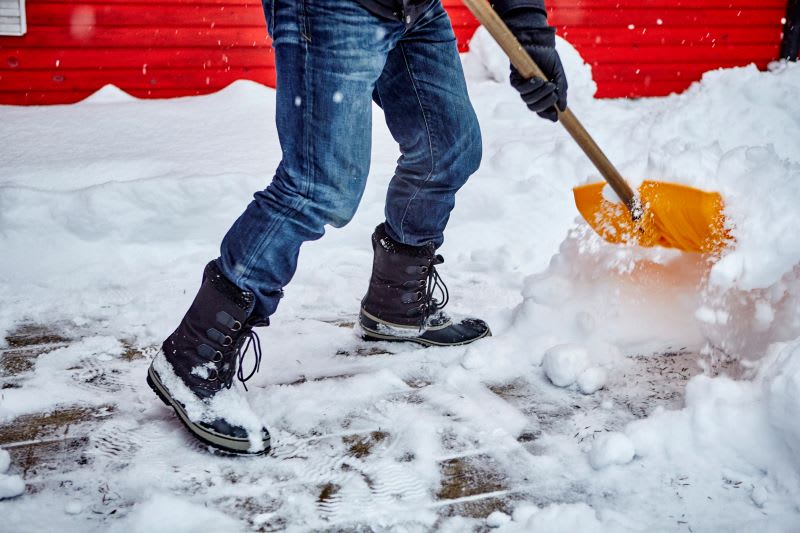
- Avoid excessive sweating from exercise, like shoveling snow or other physical activities, since sweating makes your body lose heat more quickly.