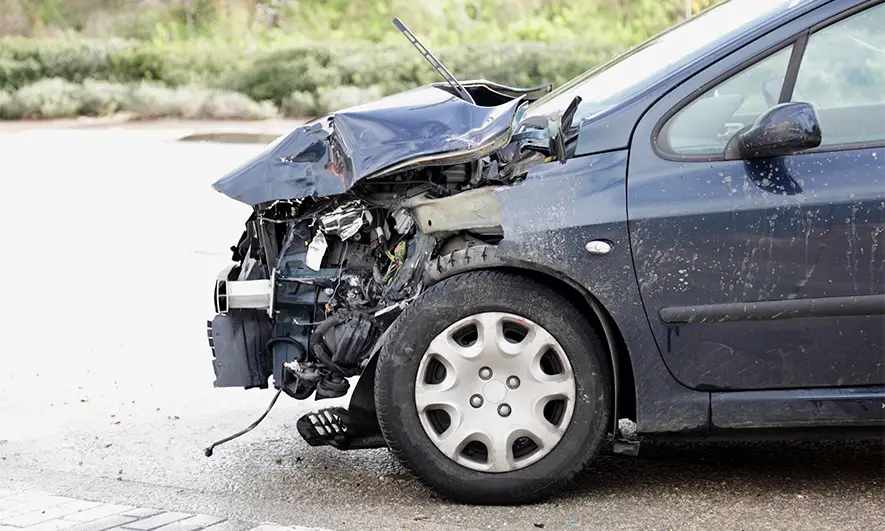
What Does It Mean When a Car Is Totaled? Understanding Total Loss Car Insurance

Totaling a car, meaning your vehicle can’t be repaired at all after an accident, is a scary situation. But knowing your options once an insurer declares your car totaled can help.
driver protected by knowing what does it mean when a car is totaled
Quote Today

Key Takeaways

  • When it comes to insurance, a totaled car means that the vehicle has been almost or completely destroyed and either cannot be repaired at all or it wouldn’t make financial sense to do so.
  • Depending on where you live, some states may have unique state laws and regulations around what constitutes a totaled vehicle that other states don’t.
  • Whether you own or lease your car, The Hartford is here to answer any questions you may have. So, you can drive with confidence knowing you’re covered in case your car is totaled. 

What Happens When You Total Your Car?

Car accidents happen every day, and even fender-benders can end up causing enough damage for your insurance company to deem your car totaled. We know a lot of people wonder if there’s a definition or exact “totaled car” meaning, so we’ll explain it as simply as possible.
 
For insurers, a car is considered totaled if it cannot be repaired at all. Typically, it means the car’s repair estimate is more than the cost to replace it, which is why it’s declared a total loss. Depending on your car insurance policy, you may be reimbursed for the current market value of your car or its actual cash value (ACV), which is the value of your car at the time of the accident.
 

What Is a Total Loss Vehicle?

State car insurance rules vary on what is considered a totaled vehicle. Some states use a total loss threshold, which can vary between 50% and 100%. For example, for Arkansas car insurance, the total loss threshold is 70%. This means your car is declared a total loss if the damages are greater than 70% of its value. So, if your car is worth $6,000 and sustains more than $4,200 in damages, your insurer will consider it a total loss.
 
Generally speaking, reasons a vehicle may be qualified as a total loss include:
 
  • Repair costs are more than the car’s ACV
  • The damage amount meets a state’s total loss threshold
  • Damages exceed its pre-accident value according to a state’s total loss formula
  • The car can’t be repaired due to extensive damage
AARP® Auto Insurance from The Hartford1 offers customizable car insurance coverage options, so you can enjoy peace of mind knowing you’re protected. Call The Hartford to get your AARP member price at 888-546-9099.
auto owner researching totaled car online

How Does Totaling a Car Work?

If your car is deemed a total loss by your insurance company, your insurer will give you a settlement. However, the amount you receive depends on factors such as the type of car insurance coverage you have, who is at fault for the accident and whether the car is owned or financed.

What Does It Mean When a Car Is Totaled and You Have a Loan?

If you finance your car, be aware that the amount you get from your insurance company may not be enough to pay off your car loan. That’s because your car depreciates over time. If this happens, you’ll have to pay out of pocket to cover the difference. That’s why gap insurance is important, because it can help pay off your loan if your car gets totaled and its actual cash value is less than your payoff amount.
 

What Does It Mean When a Car Is Totaled and You Have a Lease?

Similar to a financed vehicle, if you lease your car and it gets totaled, you will still have to pay your lender or leasing company, even if you can no longer drive your car. This is why it’s important to have good collision coverage for your vehicle.
 

How Is the Value of My Car Determined?

With car insurance, totaled car valuation is determined based on multiple factors, such as:
The year, make and model of your car
Mileage
Prior accidents
Depreciation
General wear and tear
The resale value of similar vehicles
 
Insurance companies may also have proprietary data they use to calculate a car’s worth.
 

How Does The Hartford Handle a Total Loss Insurance Settlement?

At The Hartford, we make it easy to file a total loss car insurance claim. If you get into a car accident, this is how the claim process goes:
 
  1. File your claim.
  2. After you’ve filed, we’ll send out a claims adjuster to inspect your car’s damage.
  3. Then, we’ll get in touch with you about the settlement you’ll receive for your damaged car.
  4. If you accept the settlement, you’ll then clean out your car and release it.
  5. Once released, settlement payments are sent out within a week.
The insurance payment you receive in the settlement can help you purchase a replacement car, depending on your policy and coverage limits.
If you need to make a car insurance claim, The Hartford’s representatives are available to help 24/7. Customers consistently give us high ratings for their claims experience.
Representative at The Hartford explaining totaled car meaning

Cover Your Car with Insurance From The Hartford

For over 40 years, The Hartford has been protecting AARP members and their loved ones on the road. Safeguard your car today by getting a quote online or by calling 888-546-9099. If you’re wondering what happens when your car is totaled but still drivable or have other questions, we’re here to help. Our representatives will also make sure you have the protection you need to drive with confidence, including comprehensive or collision coverage.

Frequently Asked Questions

A total loss vehicle refers to the near or complete destruction of your insured car. In terms of insurance, if your car is declared a total loss, that means the cost to repair your vehicle is more than the cost to replace it. It can also mean that your car cannot be repaired at all.
 
To prepare for unexpected accidents, it’s important to have proper protection. If you have a totaled vehicle, insurance coverages will help pay for a new vehicle if yours is ever declared a total loss. Typically, this refers to a policy that has both collision and comprehensive coverage.
Total payout on an auto insurance claim means you will receive payment that’s equal to your vehicle’s ACV (actual cash value) at the time right before the accident, minus your deductible. So, if your car was worth $10,000 right before your accident and your deductible is $1,000, you would receive a payout of $9,000.
It’s important to keep your car insurance, because it offers coverage for more than just the cost of your totaled car. For example, you may get into an accident that the other driver is responsible for. Your insurance company will help get you safely back on the road, whether your vehicle is totaled or not, and will help pay for medical expenses or liability claims resulting from the accident, depending on what coverage you have on your policy. 
Insurance companies do extensive research to make sure they give you the actual cash value for your totaled car. But if you think your car is worth more, you can always show evidence to your representative stating the case for a larger payout.
Chances are, if your car is totaled, it’s no longer safe for you to drive it. That’s because it’s been deemed nearly or totally destroyed and either cannot be repaired at all or would cost more to repair than getting a new vehicle. If you’re considering whether to still use your vehicle, be sure to talk to your insurance company and understand your state’s specific laws surrounding driving a totaled car.
If you experience a total loss, insurance coverage from The Hartford can help. In fact, our car insurance policies automatically extend coverage to a rental vehicle after an accident. In other cases, you’ll want to make sure you have rental car reimbursement coverage as part of your car insurance policy. If so, your insurer can help pay for rental car costs after a total loss.
Summaries of coverages and policy features are for informational purposes only. In the event of loss, the actual terms and conditions set forth in your policy will determine your coverage.
 
AARP and its affiliates are not insurers. Paid endorsement. The Hartford pays royalty fees to AARP for the use of its intellectual property. These fees are used for the general purposes of AARP. AARP membership is required for Program eligibility in most states.
 
The AARP Auto Insurance Program from The Hartford is underwritten by Hartford Fire Insurance Company and its affiliates, One Hartford Plaza, Hartford, CT 06155. It is underwritten in AZ, MI and MN by Hartford Insurance Company of the Southeast; in CA, by Hartford Underwriters Insurance Company; in WA, by Hartford Casualty Insurance Company; in MA, by Trumbull Insurance Company; and in PA, by Nutmeg Insurance Company and Twin City Fire Insurance Company. The AARP Home Insurance Program from The Hartford is underwritten by Hartford Fire Insurance Company and its affiliates, One Hartford Plaza, Hartford, CT 06155. It is underwritten in AZ, MI and MN by Hartford Insurance Company of the Southeast; in CA by Property and Casualty Insurance Company of Hartford; in WA, by Trumbull Insurance Company; in MA, by Trumbull Insurance Company, Sentinel Insurance Company, Hartford Insurance Company of the Midwest, and Hartford Accident and Indemnity Company; and in PA, by Nutmeg Insurance Company. The Hartford does not write new Home business in all areas, including the states of CA and FL. Savings, benefits and coverages may vary and some applicants may not qualify. The Program is currently unavailable in Canada and U.S. Territories or possessions.
 
1 In Texas, the Auto Program is underwritten by Redpoint County Mutual Insurance Company through Hartford of the Southeast General Agency, Inc. Hartford Fire Insurance Company and its affiliates are not financially responsible for insurance products underwritten and issued by Redpoint County Mutual Insurance Company. The Home Program is underwritten by Hartford Insurance Company of the Southeast.
 
* Customer reviews are collected and tabulated by The Hartford and not representative of all customers.