General Liability Insurance

Get General Liability Insurance Coverage
Protect your business from risk and liability claims. We’ll get you covered in minutes.
Get My Price
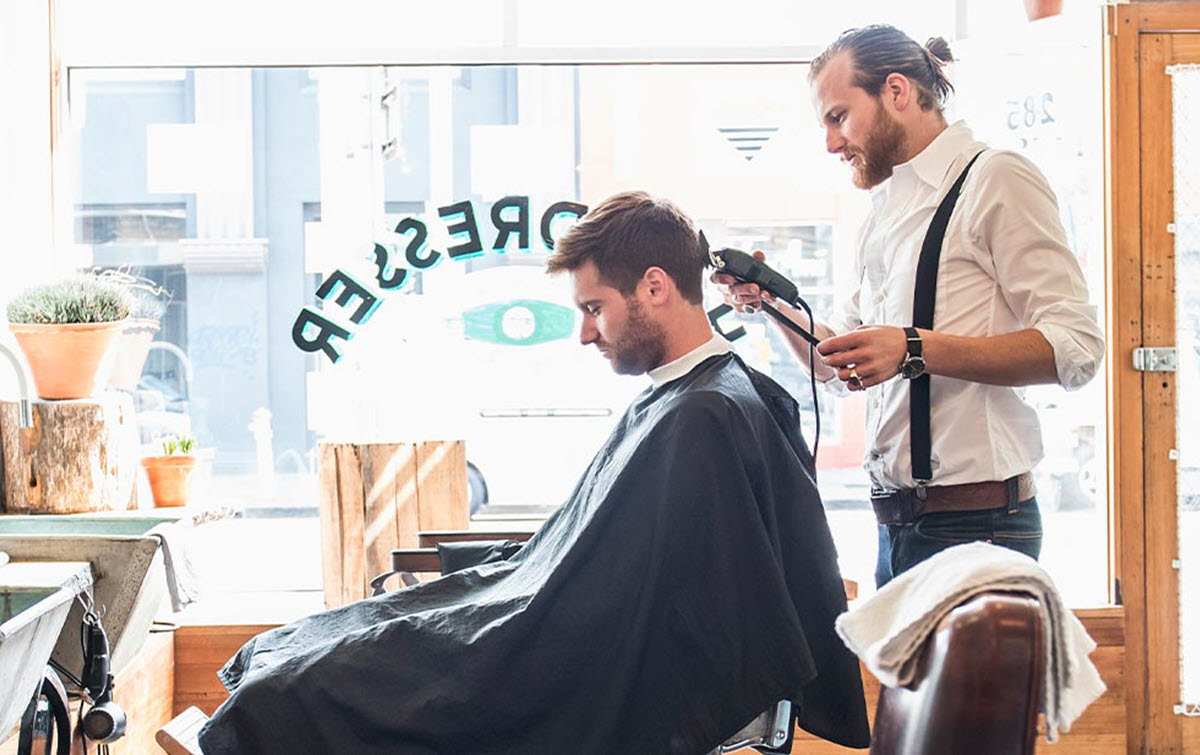
A barber cuts hair with peace of mind because he has protection with general liability insurance
200+
Years Proudly Serving Our Customers
1.3MM+
Small Business Customers
17x
World’s Most Ethical Companies® Honoree by EthisphereE
What Is General Liability Insurance video
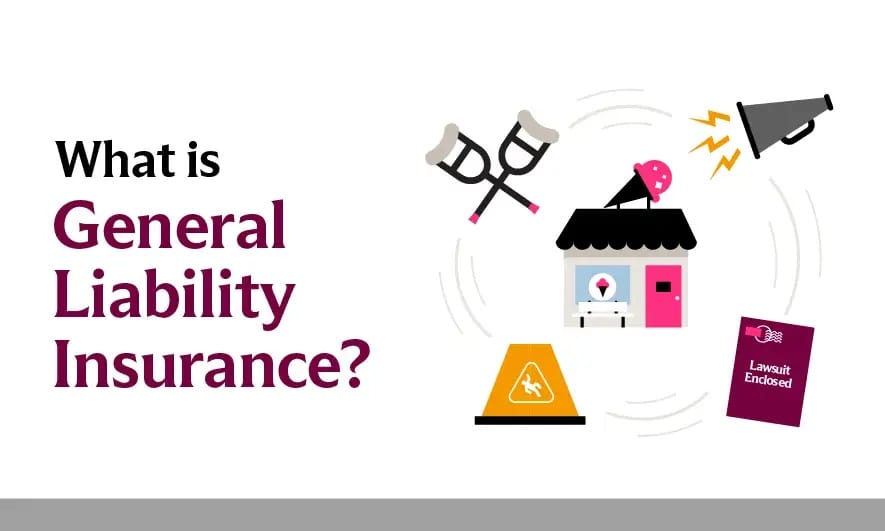
General liability insurance (GLI), also called commercial general liability (CGL), helps protect your small business from third-party claims of bodily injuries or property damage. Without general liability coverage, you’d have to pay for these claims out of pocket. CGL is also known as:
 
  • Business liability insurance
  • Commercial general liability insurance
  • Comprehensive general liability (CGL)

Why Businesses Need General Liability Insurance

Liability insurance for businesses helps protect you from risks that could happen during normal business situations, such as:
 
  • You or your employees representing a client
  • Meeting with clients face-to-face
  • Working on or with another person’s property
  • Using third-party locations for business activities
  • Advertising your business
You may also need this coverage if your clients request it. Many clients want to confirm you have general liability coverage before they sign a contract with your business. You can prove you have coverage with a certificate of liability insurance.
 

General Liability Insurance: Key Coverages

For small businesses, general liability insurance helps provide coverage for incidents that occur during normal business operations, whether on- or off-site. General liability business insurance can help cover:

Bodily Injury

If a customer slips, trips or falls at your business and suffers an injury, you could be liable for their injuries and medical expenses. General liability insurance helps pay for medical costs and legal fees, helping protect your business from premises liability claims that can add up quickly.

Property Damage

If an employee’s mistake damages someone else’s property, like breaking a client’s windows while working at their home, GLI can help pay to repair or replace the windows. This is important for contractors, tradespeople and service businesses that regularly work in or around client property.

Personal and Advertising Injury

General liability can help cover legal costs if your business is sued for non-physical injuries that may cause reputational harm like libel, slander, false advertising or malicious prosecution. For example, if a competitor sues you because they believe your advertisement is making false claims that harm their reputation, a GLI policy can help cover your legal defense fees and settlement costs.

Legal Fees, Judgments or Settlements

If your business is sued by a customer or third-party, GLI coverage can help pay for your legal fees, judgments and settlement costs, up to your policy’s coverage limits.

Copyright Infringement

If your business is sued for using copyrighted material such as photos, music or other content in your advertising, GLI can help cover the legal costs, judgments or settlements.

Products-Completed Operations

GLI can help protect your business if a product you sell or work you’ve completed causes bodily injury or property damage after the job is finished.

Medical Payments

General liability insurance may help pay for minor medical expenses if someone is injured at your business or because of your operations, regardless of who was at fault.
 

Examples of General Liability Coverage

Examples of general liability insurance coverages include:
 
  • Product liability coverage: If a customer claims a product you made or sold caused bodily injury or damage to their property, product liability coverage may help with legal defense costs and covered damages.1 This coverage is included as part of a general liability insurance policy.
  • Product recall insurance: If you’re required to recall a product due to a safety concern or defect, product recall insurance may help with some of the expenses associated with the recall. This coverage is available as an endorsement you can add to your business insurance policy.
  • Contractual liability coverage: If your business is sued over a covered liability you assumed in a contract, such as a lease or service agreement, contractual liability coverage may help pay for related legal defense costs and covered damages.

General Liability vs. Professional Liability Insurance: What’s the Difference?

General liability insurance and professional liability insurance are two different types of coverage for small businesses.
  General Liability Insurance Professional Liability Insurance
What It Covers Third-party bodily injury, property damage, personal and advertising injury Errors, omissions or negligence in professional services
Who Needs It Most businesses Consultants, accountants, lawyers, designers and others who provide professional advice or services
Common Example A customer slips and falls at your business location A client claims your advice caused them to lose money
Also Known As Commercial general liability (CGL) Errors and omissions (E&O) insurance

How Much Does General Liability Insurance Cost?

On average, general liability insurance from The Hartford costs about $810 a year, or about $67 per month.** Keep in mind that general liability insurance costs vary, so your specific premium could be higher or lower. Factors that can determine your price include:
 
  • Type of business
  • Revenue
  • Number of employees
  • Location
  • Policy details, like coverage limits and deductibles
  • Prior claims history
The best way to find out your business liability insurance cost is to get a quote.
 

Who Needs General Liability Insurance?

While every business faces their own specific risks, you never know when a claim or lawsuit could happen. This important coverage may not be required by law, but you might need it if you work with clients or contract agreements.
 
Industries or professions that could benefit from having this coverage include:
Architects may accidentally damage client property while visiting a jobsite or client offices. Also, a contract or client may require you to have this coverage.
Engineering projects often involve clients, vendors or the public. If someone is injured while visiting your project site and sues your business, GLI can help.
GLI helps protect your business if a wedding guest trips over one of your flash stands and hurts themselves or if you accidentally damage a client’s home while taking family portraits.
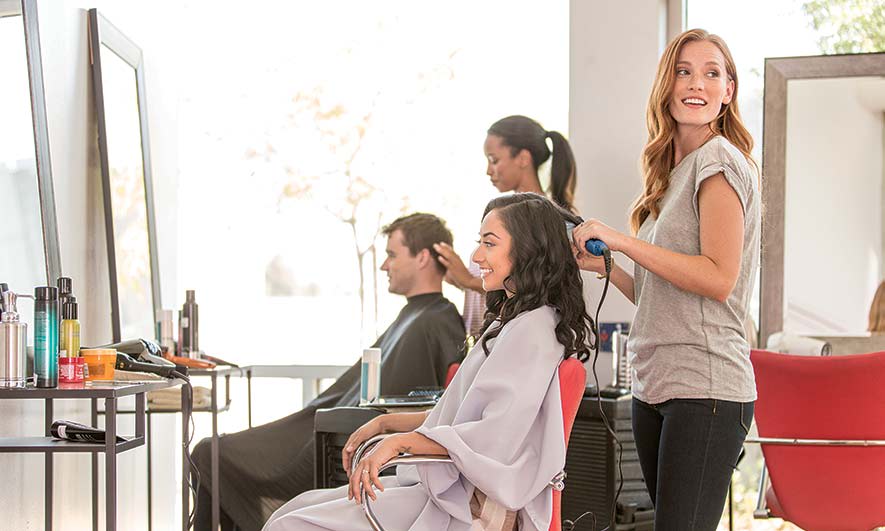
Salons have wet floors, cords, hair clippings and hot tools that could create hazards. If a customer is injured at your salon, they could sue your business for their injuries, even if it wasn’t your fault.
While gym waivers can help, they don’t fully eliminate the risk of being held liable for a customer’s injury or damaged property. GL insurance provides an extra layer of financial protection.
Interior designers work directly with their clients’ property. Even a small mistake, like scratching a hardwood floor or damaging a valuable item, could lead to a costly claim and reputational harm.
Tech companies often meet with clients or host visitors in offices or shared spaces. If someone gets injured on-site or you damage your client’s property during a visit or installation, general liability insurance can help cover these claims.
Landscaping work involves equipment, tools and public jobsites. If someone gets injured or you damage a client’s property while you’re working, general liability insurance can help pay medical or repair costs.
Real estate agents regularly host open houses and property showings. If a third party gets injured or you damage their property, general liability insurance can help protect your business.

General Liability Insurance for Contractors

Contractors work in high-risk environments and handle expensive property, potentially increasing their risk of third-party injuries or property damage. For example, if a housepainter accidentally damages a client’s floors, contractor liability insurance can help pay for repairs.
small business owner protected by general liability

Get a General Liability Insurance Quote for Your Specific Business

We have over 200 years of experience helping small business owners protect their companies with insurance coverage they can trust and expertise they can count on.
 
Whether you’re looking for coverage, trying to understand general liability class codes or need help filing a claim, The Hartford is here to help.
 
To learn more, start a free quote today.

General Liability Coverage in Your State

Learn about the general liability coverage requirements in your state:


Frequently Asked Questions About General Liability Coverage

Your general business liability insurance can help pay for claims up to your coverage limits. This is sometimes referred to as your per-occurrence limit and your general aggregate limit. Most small businesses start with a $1 million per-occurrence limit and a $2 million general aggregate limit, which is the standard coverage level for many industries.
 
  • Per-occurrence limit is the maximum amount of money an insurance company will pay for any one claim. For example, let’s say you have a GLI policy with a $1 million per-occurrence limit and a $2 million general aggregate limit. If you file a claim valued at $1.1 million, your insurance would pay the $1 million because of the occurrence, and your business would likely pay the remaining $100,000. The amount left in your policy period then decreases from $2 million to $1 million.
  • General aggregate limit, sometimes called the “aggregate limit of liability,” is the maximum amount of money your insurance company will pay for general liability claims during a policy period. So, if you have a $1 million aggregate limit on your general liability insurance policy, your insurance will pay for claims up to the maximum amount of $1 million during that specific policy term.
While general liability insurance coverage can help with claims related to bodily injury or third-party property damage, you may need different types of coverage to better protect your specific small business. A GLI policy won’t cover:
 
  • Commercial auto accidents that you or your employees cause while driving for work
  • Employee injuries or illnesses due to their work
  • Damage to your own business property
  • Mistakes or errors in the professional services given to customers
  • Claims that cost more than your liability limits
  • Illegal acts or wrongdoing
  • Losses due to fire, vandalism or theft
The easiest way to get general liability insurance is to purchase a Business Owner’s Policy (BOP) that bundles commercial property and business income with general liability insurance. Bundling coverages like these into one policy is convenient, and you can add additional insurance coverages like:
 
There are still certain policies you may need to buy separately, so speak to an insurance agent today.
State laws don’t usually require business owners to carry general liability insurance, but it’s still a good idea to have it. If a customer sues your business, and you don’t have general liability coverage in your policy, it could put your business’ finances and your personal assets at risk.
 
It's important to understand your state laws for insurance requirements. Work with a local insurance agency or our dedicated small business insurance team to help you choose the right general liability commercial insurance. We’ll discuss your business needs and provide tailored coverage options to help protect you and your company.
GLI is one of the most essential types of business insurance. It can help:
 
  • Pay for medical treatment and lost wages for a customer injured at your business
  • Cover repairs to a customer jobsite that your employee accidentally damaged
  • Cover legal defense costs from lawsuits against your business
  • Pay for judgments and settlements from a customer or client’s lawsuit
Although most states don’t require general liability insurance for LLCs, it’s a good idea to protect your company from everyday risks. Liability insurance for business owners can provide peace of mind and financial protection when unforeseen incidents occur. Without it, you’d have to pay out of pocket for costly claims made against your business. Talk to an insurance agent or get an online quote today and see how we can help protect your LLC.
When you’re ready to get a general liability quote, you’ll want to have the right information handy, including the:
 
  • Registered name and address of your business
  • Year you established your business
  • Number of locations you have
  • Number of employees you have
  • History of liability losses in the last three years, including damage to property, accidents and injuries
  • General liability limit or coverage amount you are planning to buy
On average, a $1 million liability insurance policy costs about $69 a month, or $824 a year, for our small business owners.** However, it’s important to know that your liability insurance cost may vary depending on several different factors, like your industry, risk exposure, claims history and payroll size.
On average, The Hartford’s small business customers pay about $68 a month, or $810 annually, for general liability insurance (GLI).** Keep in mind that insurance costs will be different for every business. Insurance companies look at several factors, like location, industry, claims history, risk exposure and more to determine your price.
Business partners high five because their new business is protected by a bop policy

Other Business Coverages

We offer insurance coverages for companies of all sizes – large and small.
 
Go
 
 
Last Updated: April 16, 2026
 
1 Product liability insurance coverage may not be available to all classes.
** Costs, premiums, and coverages mentioned are estimates and are not guaranteed. Actual cost, premium, and coverage are determined at the time of quote or issue and are specific to an individual risk. Premiums are based on information provided to The Hartford, including, but not limited to, underwriting and rating criteria. All examples included on this website or in an advertisement are intended for informational purposes only and are not an offer or a guarantee of premium or coverage. Coverage and products described are subject to the terms and conditions found in the policy contract. Any educational information provided about available coverages does not modify the policy language or imply that any claim is covered. Products are not available in all states or for all businesses.
E “World’s Most Ethical Companies” and “Ethisphere” names and marks are registered trademarks of Ethisphere LLC.
 
Additional disclosures below.
The Hartford shall not be liable for any damages in connection with the use of any information provided on this page. Please consult with your insurance agent/broker or insurance company to determine specific coverage needs as this information is intended to be educational in nature.
 
The information contained on this page should not be construed as specific legal, HR, financial, or insurance advice and is not a guarantee of coverage. In the event of a loss or claim, coverage determinations will be subject to the policy language, and any potential claim payment will be determined following a claim investigation.
 
Certain coverages vary by state and may not be available to all businesses. All Hartford coverages and services described on this page may be offered by one or more of the property and casualty insurance company subsidiaries of The Hartford Insurance Group, Inc. listed in the Legal Notice.
 
The Hartford Insurance Group, Inc., (NYSE: HIG) operates through its subsidiaries under the brand name, The Hartford, and is headquartered in Hartford, CT. For additional details, please read The Hartford’s Legal Notice.
 
* Customer reviews are collected and tabulated by The Hartford and not representative of all customers.