Historic Registration and State Classification
Whether a vehicle qualifies as vintage, antique or classic affects how it’s titled, registered and even how it can be driven. For instance, many states have specific guidelines for vintage status, often requiring cars to maintain their original design and be used for exhibitions and parades only, rather than as modern daily drivers.
Registration rules also differ for antique and vintage vs. classic cars. For instance, a vintage vehicle might be eligible for “Horseless Carriage” plates, while an antique vehicle could qualify for “Antique” or “Historic” plates. A classic car might get “Collector” or “Classic Car” plates.
Market Value and Rarity Influence
Whether a vehicle is considered classic, vintage or antique can have a significant impact on price and desirability in the collector car market. Rare vintage models often command the highest values, especially if they’re in a well-preserved condition.
Ultimately, value comes down to rarity, place of origin and demand, not just the category.
While age range and condition are good general indicators, there’s no hard-and-fast rule for determining value, as prices vary greatly depending on the make, condition and demand within classic car clubs and auction houses.
Here’s a side-by-side overview of the key differences between vintage, antique and classic cars:



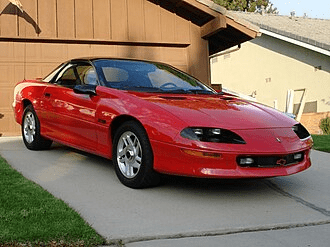 What Kinds of Cars Are Considered Classic?
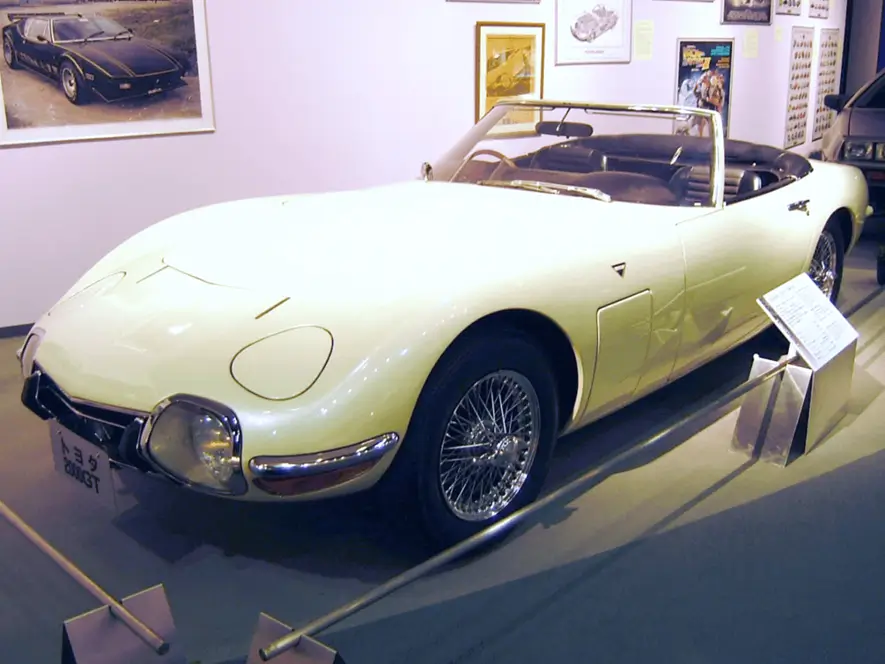 Examples of antique cars include:
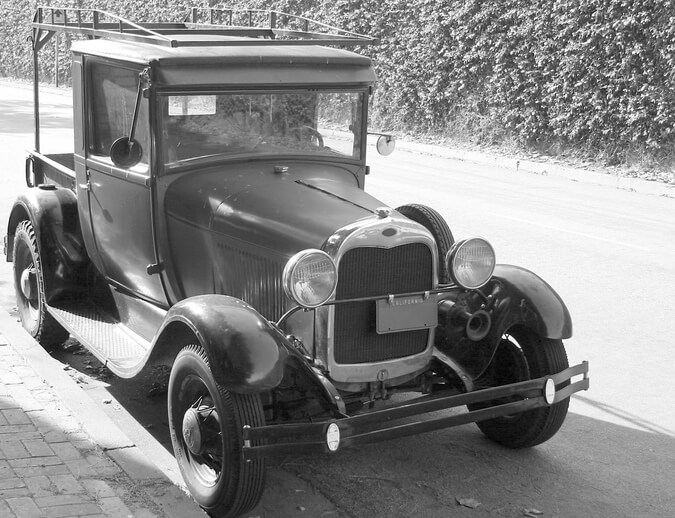 What Kinds of Cars Are Considered Vintage?