
Two people holding the keys to a new car
Auto Car Insurance

Gap Insurance: What Is It and Do I Need It?

7 min read
Do you need gap insurance? If you have financed or leased a vehicle, you just might. Here's what you need to know to help you decide.
Get an Auto Quote
Enjoy exclusive benefits with AARP Auto Insurance from The Hartford.
When you first get a new car, you’re probably excited about driving your vehicle and not about the auto loan you took out to finance it. But what would happen if you totaled your car? Would you have enough money to pay off the loan?
 
In many cases, the answer is yes. Standard auto insurance can pay for covered repairs and even the cost to replace the vehicle if it is badly damaged or stolen. But sometimes the insurance money isn’t enough to pay off the loan. That’s because you can owe more than what your car is worth. That’s where gap insurance can help.

Why Is My Car Worth Less Than What I Owe?

The idea that you can owe more than what your car is worth may be difficult to wrap your head around, but this is a fairly common scenario. Wondering how this happens? It’s easier than you think.
 
Maybe you put little (or no) money down when you bought the vehicle, financing the bulk of your purchase, which added interest to the total cost of the car. Perhaps you even rolled in what you still owe on your previous car into your new loan. Or perhaps you took on an extended-term auto loan (i.e., one lasting 48 months or longer) to lower your monthly payments.
 
Doing any of these things means that less money goes toward the principal amount you borrowed, so it takes longer for your loan to shrink than it does the value of your car.
 

What Is Depreciation?

But why is the value of your car shrinking? Even as you’re making payments based on the value of your vehicle at the time you took your loan, your car is getting older and is worth less every day. This is due to depreciation.
 
Depreciation is the reduction in the value of an asset due to wear and tear. And when that asset is something that you and your family use often, like a car, the wear and tear have a significant impact on its value, particularly if you bought a brand new car. As soon as you drive the car off the lot, its value begins to drop, yet you’re still responsible for the full loan amount plus interest, so the gap between the value of what you own and what you owe begins on Day 1 of car ownership.

Toy cars on a pile of pennies in decreasing size

What Is Gap Insurance?

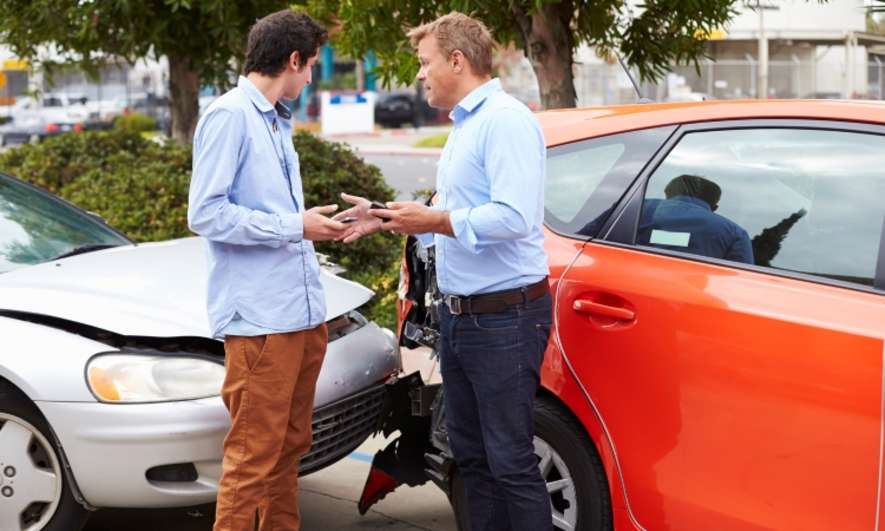
If the car is totaled or stolen before you’ve paid off your loan, you might find yourself struggling to afford a replacement vehicle, while dealing with the physical and emotional trauma from the accident or theft. Gap insurance can ease the strain.
 
Gap insurance pays the difference between what a vehicle is worth when it is stolen or “written-off” (i.e., when the cost to fix the car’s damage is greater than the cost to replace it) and the balance on your auto loan or lease. In other words, it fills the “gap” between the vehicle’s current value and what you still owe on it.
 
For example, say you total your car in an accident. You still have $10,000 left to pay on the loan, but your car is worth only $4,000. In this case, gap insurance from The Hartford can help cover the difference between the two, up to your policy limits.
 
To talk to a representative about your current policy and learn more about gap insurance, call The Hartford at 800-423-6789.
 

Do I Need Gap Insurance?

If the amount you owe on your auto loan or lease isn’t greater than the current value of your car, you may not need gap insurance. To estimate this, look up the Kelley Blue Book value of your vehicle, and then compare that against the current balance on your loan or lease. Remember to account for the deductible you would pay in the event of a crash or theft (if any), as well as any of the items mentioned above as possibly not being covered by gap insurance.

Is There Anything Gap Insurance Doesn’t Cover?

Gap insurance may cover some of the financial burden if you find yourself owing more than your car is worth when it’s damaged or stolen. However, there are some things it does not cover, including:

Cost of extended warranties

Non-refundable security deposits for leased vehicles

Overdue lease or loan payments at the time of loss

Lease penalties due to abnormal wear and tear, excessive use, or high mileage

Accident, credit life, disability, or health insurance associated with the loan or lease

Carry-over balances from previous loans or leases

Where Do I Buy Gap Insurance?

Gap insurance is available through your car dealer, lender or insurance company. If you buy it from your car dealer or lender, you may have to pay for it up front. If you buy it from your insurance company, they may roll it into your auto insurance payment. If you lease a car, it may be included in your lease agreement, so you should check for this before your sign the paperwork.
 
Gap insurance is not available in all states.

What Is New Car Replacement Insurance?

If you’re buying a new vehicle, in addition to gap insurance, consider new car replacement coverage. Some insurers include this coverage in their auto policy, whereas others offer it as an add-on. With new car replacement coverage, if you total your new car before a set number of miles or a set period of time, your insurance company can help to replace the car. The replacement will be a new vehicle of the same make and model and will have the same equipment as your original vehicle.
 
Specifically, if you total your new car, The Hartford can help cover the cost to replace it with a new car of the same make, model and equipment without subtracting anything for depreciation.§§

The Hartford Is Here to Help

Buying or leasing a car is a significant decision. It’s important to understand the financial risk involved when selecting and financing a car and to minimize that risk as much as you can. Gap insurance can help with this. Like other types of insurance, although you hope you won’t ever need it, having it provides peace of mind and financial relief should the unexpected occur.
 
Let us take the guess work out of whether or not gap insurance or any additional coverages makes sense in your specific situation. Call The Hartford today at 800-423-6789 to get peace of mind while behind the wheel.
** Average annual savings are based on information reported by customers who switched to The Hartford’s newest rate plan between 9/1/24 and 8/31/25. Average auto insurance savings $597 and average home insurance savings $366. Your savings may vary. Rate differences for AARP members and non-members vary by state and AARP membership tenure. Auto/Home discount is available only to policyholders who have both their auto and home (or condo or renters) insurance through the AARP Auto & Home Insurance program from The Hartford. The Hartford does not write new business in all areas, including the states of CA and FL.
 
§ Availability of RecoverCare benefit and benefit levels vary by state. The Hartford RecoverCare Advantage® is a registered mark of The Hartford.
 
§§ Terms and conditions apply.
 
Terms and conditions apply. Accident Forgiveness and the Disappearing Deductible are not available to CA policyholders.
 
‡‡ Terms and conditions apply. Availability varies by state.
 
‡‡‡ Based on one car and driver; individual rate/premium/savings will vary based on actual coverage selections and characteristics of vehicle(s)/driver(s).
 
Additional disclosures below.

Subscribe Today

We go the extra mile to deliver insights and brain teasers straight to your inbox. Start your free subscription from The Hartford today.
 

Related Articles

The content displayed is for information only and does not constitute an endorsement by, or represent the view of, The Hartford.