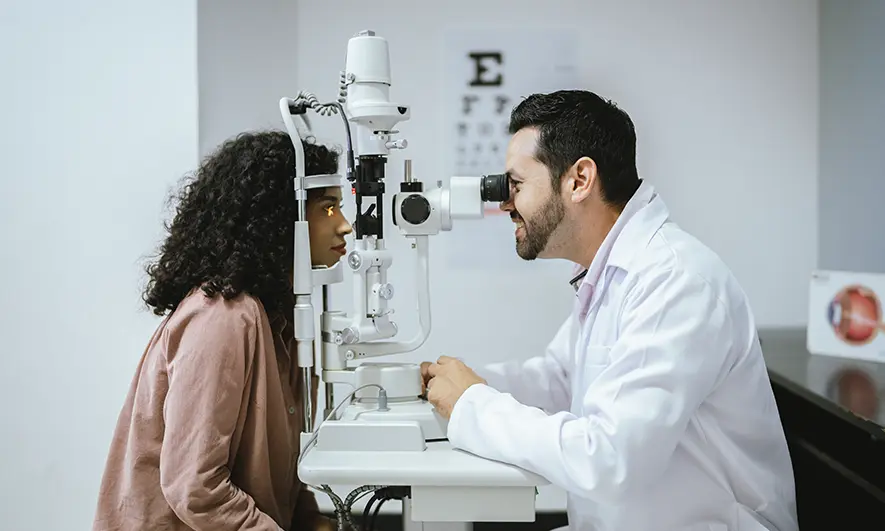
Optometrists who start their own eye clinics usually have a strong desire to be their own bosses, but they should keep in mind that starting a business can be tough work. You’ll have to demonstrate to a prospective lender that your intended location is high-traffic in an area that needs more eye clinics. You’ll have to prove you can pay the bills for your clinic during the first year or two as you build a patient base. And expect to spend time on insurance claims, employee management, marketing and the many other tasks that go into running a business.
Startup needs: Doctor of optometry degree; state license; business financing; good location; business management knowledge
You have the expertise, now you also need to figure out how to run a business. Podiatrists looking to start their own foot clinics must overcome many of the challenges faced by entrepreneurs in general. You’ll need to find the right location, write a persuasive business plan, secure financing and much more. Dr. William Fishco, an Arizona-based podiatrist,
shared a piece of advice in
Podiatry Today: Make sure you’re spending time doing surgeries in a hospital and not just a local surgery center. That’s because time spent in the hospital will allow a larger network of health professionals to witness your abilities and hopefully forward more patients your way.
Startup needs: Doctor of podiatry degree; passing the American Podiatric Medical Licensing Exam; business financing; good location; business management know-how
Medical lab testing in the U.S. is dominated by major corporations. The big question for anyone looking to start a new medical lab: Do you have something new to bring to the space? Consider networking with health provider administrators, physicians and their staff to find out what is lacking in the existing medical labs. Then you can determine if you can offer those services or do them better.
Startup needs: Clinical Laboratory Improvement Amendments certificate from the Centers for Medicare and Medicaid Services; lab testing industry knowledge and experience; large upfront capital for location and equipment; equipment calibration and a quality-control program
For many lawyers, starting their own firm is a dream. But here’s a good piece of advice: Keep your overhead low as you start out. At least initially, avoid the fancy office, staff and pricey office equipment. Focus instead on winning clients and building your reputation. Also, don’t buy expensive billboards or newspaper ads. Concentrate on creating a professional-looking website and use social media, blogging or other forms of content marketing to highlight your expertise.
Startup needs: Law degree; passing the bar examination; an in-demand specialty; a professional-looking website; do-it-yourself content marketing
There are differing views on how best to launch your own engineering firm. Perhaps you first want experience working for another company where you learn the ropes of the business, make contacts and earn a
Professional Engineer designation. If you go that route, you might need a lawyer to help you navigate the non-compete agreement when you go off on your own. If you’re still in engineering school, you could start by helping a professor with their consulting work. From there, you might come across an opportunity that could turn into a business for you once you’re out of school.
Startup needs: Four-year degree from an accredited engineering program; possibly a Professional Engineer designation; capital for computers, software and equipment
If you’re going to strike out on your own as an accountant, you’ll probably need to become a Certified Public Accountant (CPA). This allows you to audit your clients’ financials, reviewing their statements and represent them in tax matters before the IRS. To become a CPA, you’ll need advanced financial coursework beyond a four-year college degree. You must pass the
Uniform CPA exam and meet your state’s experience requirements. Even after you’ve become a CPA, you may have to work hard to market yourself once you start on your own. Plan to go above and beyond for your initial clients—with no immediate financial reward—to build up your reputation.
Startup needs: Four-year college degree; CPA certification; passing Uniform CPA Exam; accounting software and tools


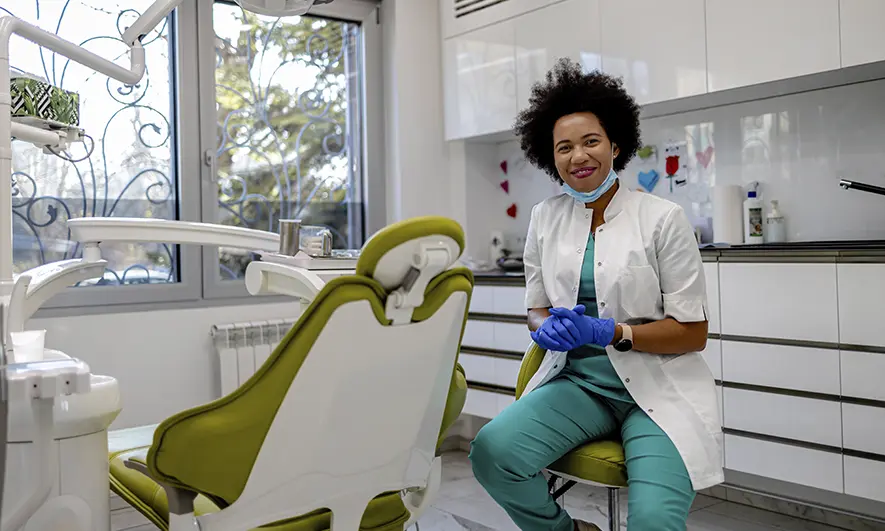 A dental practice is similar to a medical practice. You’ll need a highly-visible location, equipment, staff and an EHR system—so you’ll need significant financing upfront. Starting a