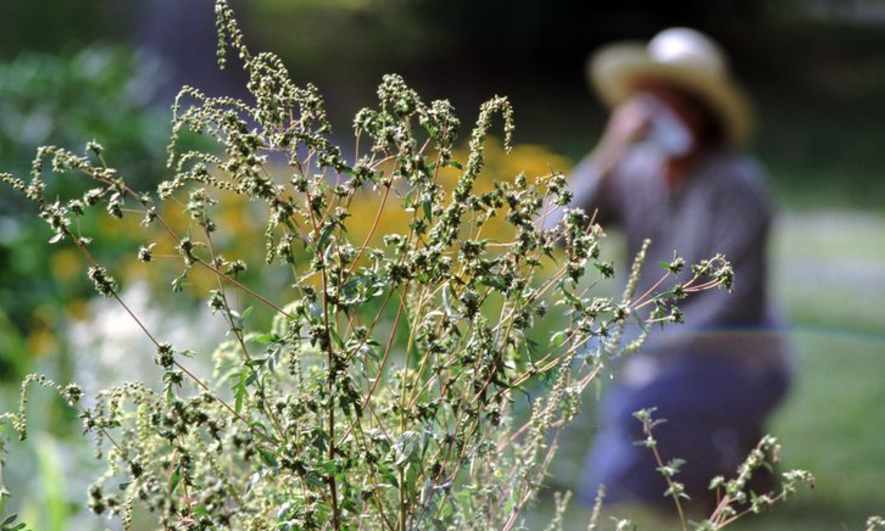

Spring has sprung, and that means sunshine, bees buzzing, buds blooming and — for many — the onset of seasonal allergies. If you’re battling constant sneezing, an itchy nose and watery eyes, you’re not alone. Allergy eye drops and pills can help, but you can also take other steps to manage your symptoms.
Below, we’ll share which parts of the country are worst for seasonal allergic rhinitis (also known as hay fever), along with tips for combating allergy triggers in your yard. We’ll also talk about which plants to avoid and which may work better for allergy sufferers, plus yard upkeep tips to help you keep seasonal symptoms in check.
Ah-choo! The Worst Places for Seasonal Allergies
Seasonal allergies can be more difficult to deal with depending on where in the country you live. The Asthma and Allergy Foundation of America (AAFA) 2025 Allergy Capitals report ranked the largest 100 U.S. metropolitan areas in terms of allergies, with all 20 of the worst areas clustered in the Midwest and South. The report ranks the cities based on three factors: pollen scores, over-the-counter allergy medicine use and the availability of board-certified allergy specialists.
The five worst metro areas for allergies, according to the report, are:
- Wichita, Kansas
- New Orleans, Louisiana
- Oklahoma City, Oklahoma
- Tulsa, Oklahoma
- Memphis, Tennessee
 To determine whether a plant is likely to cause allergies, check its ranking on the