
With age, people accumulate not just memories and wisdom, but also resiliency and confidence. Sometimes, even a deeper appreciation for the unexpected. Many of us have lived through storms, both literally and figuratively.
Yet when it comes to natural disasters, it can be easy to fall into the trap of thinking, “That won’t happen to me.” But the scary reality is, it could.
Natural disasters can create unique challenges for older adults. Mobility limitations, medical needs or a limited support system can all influence the ability to evacuate and then to recover after a storm. That’s why planning ahead is not just wise—it’s essential.
Natural disasters can be traumatic, but having a plan can help to reduce stress. Planning isn’t about fear, but rather empowerment and making sure that if the unthinkable happens, you’re ready—not just to survive, but to recover and thrive.
The ABCs of Natural Disaster Planning — Action, Belongings, Connections
Disaster planning doesn’t have to be overwhelming or frightening. It can be a thoughtful process that draws on a lifetime of experience and leaves you feeling ready for whatever may come your way.
Action: Take It
Start by understanding the risks in your area. Are you in a flood zone? Near a fault line? Being aware of the most common disasters in your region* is key to being well-prepared.
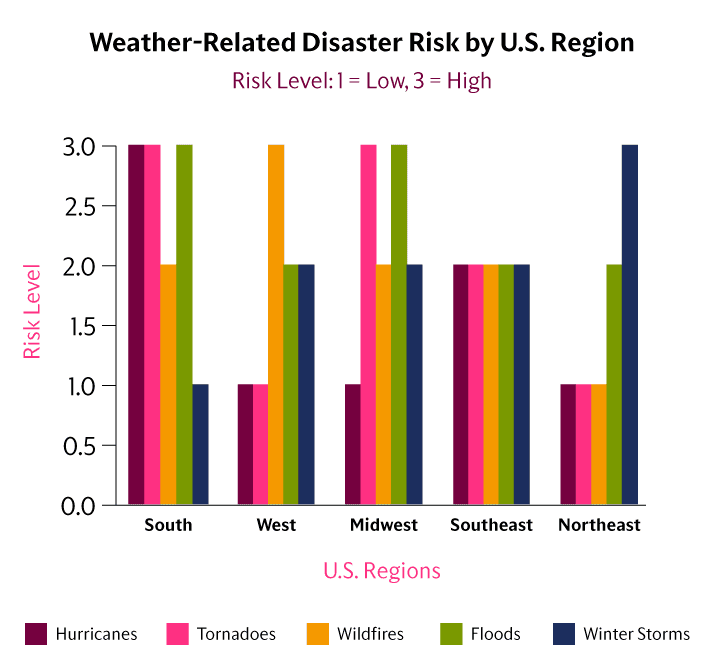
Then, control what you can control. Not sure where to start? Tips include:
- Create a disaster kit with essentials like water, medications, flashlights, and important documents.
- Plan your evacuation route and know where local shelters are.
- If you rely on medical equipment or have mobility challenges, make special arrangements.
- Talk to your doctor about emergency prescriptions.
- Arrange transportation with neighbors or family if you can. If that isn’t possible, consider contacting your local Area Agency on Aging, as they may have transportation resources available.
- Don’t forget your pets—have a plan for their care too!
- Review your insurance policy. Are you protected against flood, earthquake or sump pump failure? Do you have replacement cost or actual cash value? Do you have enough coverage for valuables or safety upgrades? (Bonus: you may be able to get a discount on those.) Fully understanding your policy will help you enjoy confidence knowing you’re covered.
Belongings: Document Them
After a disaster, your insurance company will ask for a list of damaged or lost items. A home inventory—photos, videos, or written lists—can make this process much easier. Start small by taking pictures of each room, open drawers and closets, and document valuable items. Store this information in a safe place, like a cloud service if using a smart phone or a trusted friend’s home if the items are not digital.
Connections: Make Them
Ideally, no one should face a disaster alone. Build a support network of family, friends, and neighbors. Having social connections not only can provide support in tough times, but can also increase your sense of belonging and reduce loneliness. Plan to talk about your plans and ask for help where needed. If possible, identify someone outside your area who can be a central contact during emergencies.
Knowing who you can count on brings peace of mind, while preparation gives you control in what can be a chaotic situation.