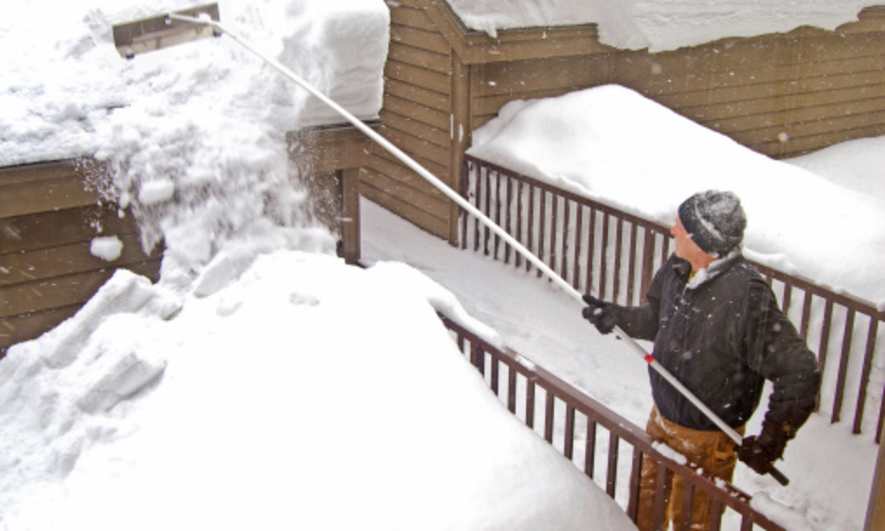
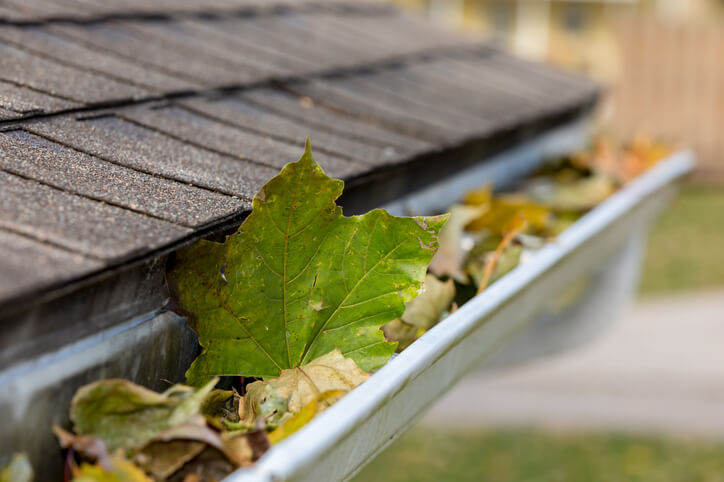
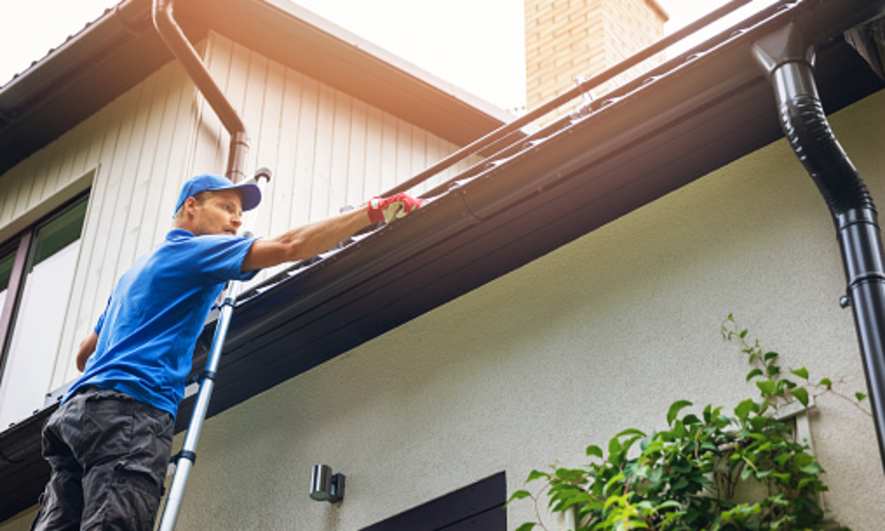
What you can do if a storm is imminent or just passed: Apply mulch to the ground around trees and bushes to insulate the roots. Invest in burlap screens to shield evergreens from wind and salt, recommended the Missouri Botanical Garden.
5. Treat Your Patio Furniture
Ideally, you’ll bring your patio furniture inside before storms. But most homeowners don’t have the space to store large swings, chaise lounges, tables and other outdoor furniture pieces. The good news is that outdoor furniture can withstand some harsh elements. Plus you can invest in protective covers or tarps for more protection.
What you can do now: Coat your metal furniture with automotive wax to provide extra protection. Other than moving plastic furniture out of areas where it might blow away, it needs very little care prior to winter. The same is true of synthetic wicker.
What you can do if a storm is imminent or just passed: Bring your cushions indoors to help ensure mold doesn’t develop on them. Also, if your outdoor furniture has mosaic tiles, store it out of the cold weather as ice and freezing temperatures can cause tiles to dislodge.
Of course you should clear snow and ice off of your driveway and sidewalks, but just because your parents used rock salt with abandon doesn’t mean you should. Doing so can ruin your driveway and walkways whether they’re made of concrete, asphalt, brick, stone or other materials.
What you can do now: Clean your driveway. Many of us don’t give our driveways or walkways any thought but it’s a good idea to clean them every quarter or so. How you clean it depends on the material from which it’s made, of course, but power washing is a standard method. Sealing your driveway every two to five years – depending on weather, wear and tear, and the materials your driveway is made of – will help extend the life of your driveway. It’s vital to use the appropriate sealing material for your driveway type, and not over- or under-seal.
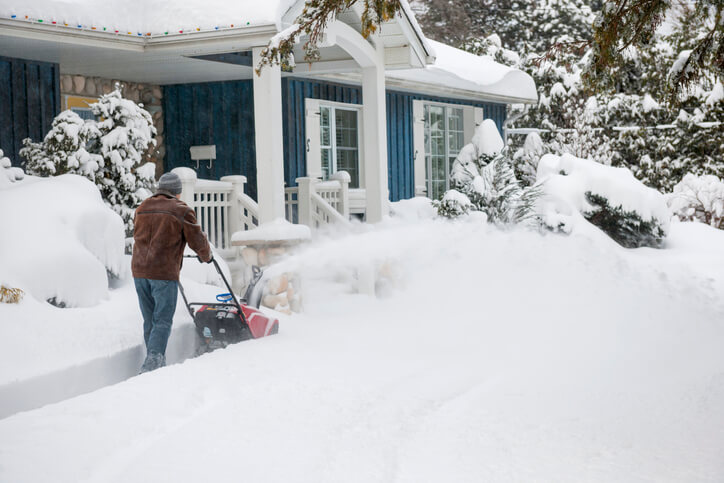
What you can do if a storm is imminent or just passed: Keep snow shovels, snow blowers and plow blades at least half an inch off the surface of drive and pathways. And don’t use rock salt. Yes, it can melt the ice but it can also damage the driveway and walkway surfaces due to the inevitable melting and refreezing that occurs. Desperate to melt the ice? Calcium chloride can work and should cause less damage when used according to the instructions.
7. Clean Your Deck
Most homeowners don’t give much thought to their decks when the weather starts to turn cold. That’s a mistake. Food and other stains aren’t just unsightly, but can seep into and damage decks. Cleaning is the first step in any deck maintenance.
What you can do now: Look for loose boards and other damage to your deck so you can correct it before inclement weather arrives. Waterproof your wood deck. You can test the effectiveness of your deck’s existing stain to determine if it requires a new staining. It’s easy. Just sprinkle water on the deck. If the water beads on the deck, it doesn’t need sealing. If the water soaks in right away, the deck is not waterproofed and needs to be sealed.
What to do if a storm is imminent or recently passed: planters and storage containers so water doesn’t accumulate and cause damage. Clear snow from the deck using a broom or shovel, but use a light touch so you don’t damage the deck. Also, shovel along the planks, not against or across them to minimize potential damage to the wood.
8. Prepare Pipes
Every winter news stories abound describing how homeowners returned to their house only to find that pipes had frozen, broken and flooded their home – destroying furniture, carpeting and mementos. Pipes in bathrooms and laundry rooms located near garages or exterior facing walls are especially vulnerable to such freezing,
writes Bob Vila. That’s why it important to close crawl spaces and add extra insulation, especially in those areas.
What you can do now: Consider buying space heaters to keep such rooms warm if frigid temperatures hit. Also, never turn the heat off when you leave your home. Set the thermostat at 55 degrees, at the lowest, to keep pipes warm enough to operate properly.
What to do if a storm is imminent or recently passed: Besides using a space heater in rooms where pipes are vulnerable, open the vanity doors so that air circulates and keeps pipes warm.
Don’t believe those that tell you it’s fine to leave your garden hose attached and outside faucets on during winter. Cold weather causes water to expand. When that happens in a pipe, which is full of water, the pipe usually breaks.
What to do now: Drain and remove garden hoses and sprinkler systems. If your home has a separate shut-off for external faucets, turn them off and drain the water from those faucets.
What to do if a storm is imminent or recently passed: Ensure you know where the main waterline shut-off is for your house so, if a pipe breaks, you can immediately turn off the water supply.
10. De-ice Your Car Windows
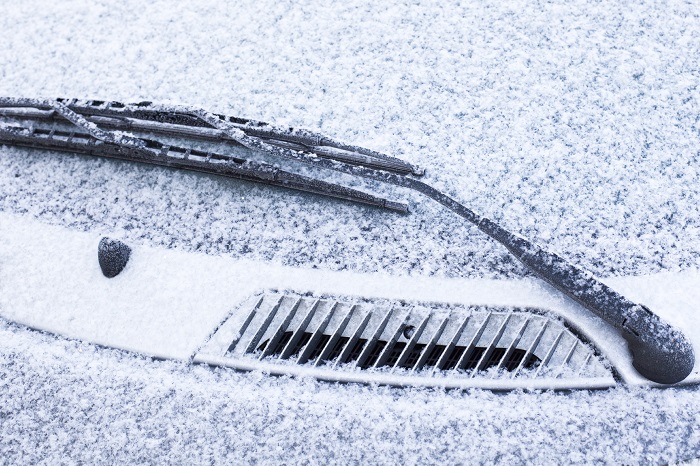
On icy mornings there’s always some misguided person who chips away at the ice on their car windows with metal instruments or throws hot water on their windshield. Both methods can damage or even shatter car windows. Still, you must
clean your car windows before hitting the road.
What you can do now: Ensure you have a piece of cardboard to place on your windshield before a storm hits. Lift the windshield wipers and place them on top of the cardboard to secure them to the windshield. Then when you’re ready to drive, just lift the cardboard up and drop the ice on the ground.