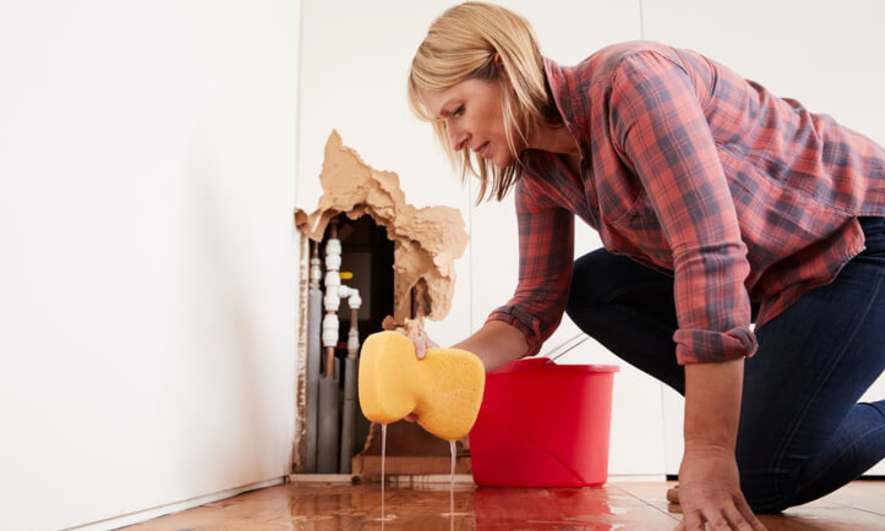

Your home may be furnished with cozy furniture and stylish decor, but your comfort truly depends on the reliability of all the inner workings of your home – its structural integrity, a properly working heating and air conditioning system, and reliable plumbing pipes. Most homeowners rarely think about things like the pipes in their homes unless there’s a problem. And, when there is a problem, it’s often a big one.
Taking the time to learn about the plumbing pipes in your home can help prevent water damage. Plus, you’ll understand what to do if a challenge arises. As a homeowner (or renter!), you can help preserve the comfort of your home by paying attention to your pipes and knowing what to do to keep your pipes from freezing.
Two Common Reasons Why Pipes Burst and Crack
Frozen Pipes
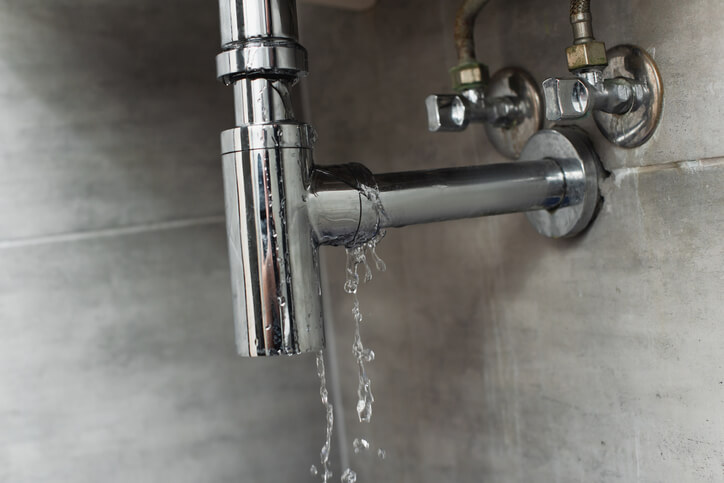
Many of the water damage and freezing claims are due to frozen plumbing pipes. When your kitchen sink is turned off, water remains in the pipes, ready for the next time you turn it on. When the weather gets really cold, the water sitting in those pipes begins expanding as it starts to freeze. That expansion causes increased pressure inside the pipe, and, when the pressure becomes too much for the pipe to contain, it can rupture.
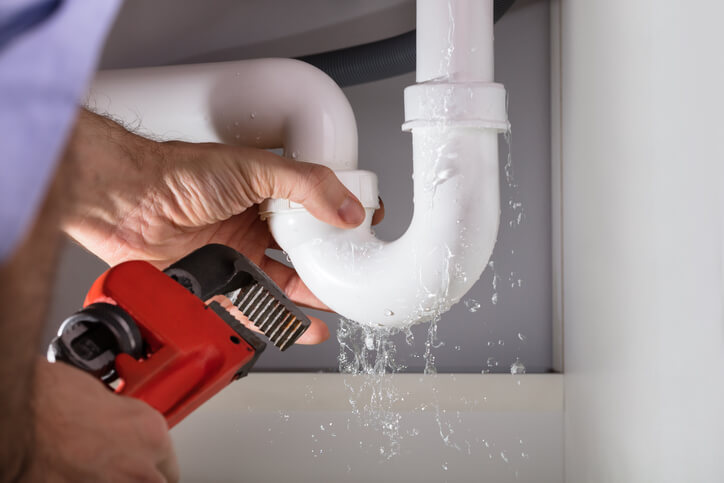
Of course, that means when the frozen water inside the pipe begins to thaw, it will start dripping – or pouring out of the crack or hole where the pipe burst. When you turn on a faucet with a burst pipe, you can lose hundreds of gallons of water very quickly – increasing your water bill, flooding your home, or flooding underneath your home’s foundation.
Older Pipes
It’s more common for pipes to burst during cold, winter weather, but pipes can be at risk during other times of the year as well. For instance, severe heat and long periods without rain also can be hard on your pipes. Older pipes are at greater risk in hot, dry weather because the dry earth allows them to shift more underground, which can lead to breakage if the pipes are worn.
In addition, many people use more water in the summer as they water lawns, wash cars, and fill pools. With all the increased usage, older pipes can fail if they have not been properly maintained or are simply too old and need replacement.
Maintain Your Plumbing Pipes
You can help prevent damage to your plumbing pipes by first educating yourself. You should know:
- where your pipes are located – both inside and outside
- how to shut off the water to your home from the main source
Each year, check your pipes closely to look for cracks and leaks. If you see any pipes that have been compromised, have them repaired immediately. Make sure the pipes in your attic or crawl space are protected with insulation.
Additional things to consider: