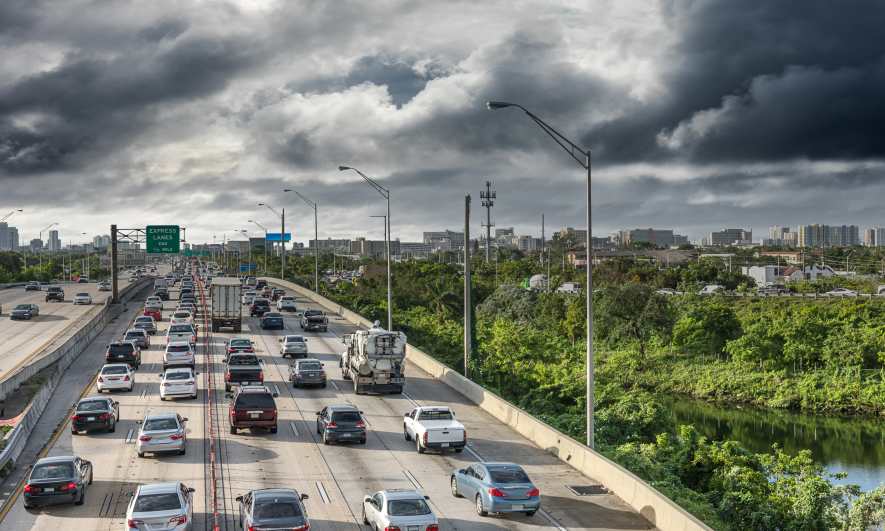

The rain has stopped and the storm clouds have rolled away. Now it’s time to take steps to maintain your safety, check for damage from the severe rainstorm and get your property fixed so you can get back to life under sunny skies.
A severe rainstorm can cause anything from no damage to severe property damage. Fortunately, your homeowners insurance helps cover you for the damage caused by wind, lightning and hail. However, your home insurance doesn’t cover you for weather-related flooding, but your flood insurance does. If you didn’t have flood insurance, you can contact the Federal Emergency Management Agency (FEMA) for help.
Storms in the Forecast
A severe rainstorm is a storm with heavy rain, generally falling at a rate of .3 inches or more per hour. A thunderstorm, in addition to heavy rain, includes thunder and lightning and may bring hail and strong winds.
Every year, about 100,000 thunderstorms hit the United States and 10% of those are severe. In order to be classified as severe, a thunderstorm must be accompanied by at least one of these:
- Hail one inch or larger
- Winds 57.5 miles per hour or faster
- A tornado
These all pose a danger to you, your home and your car. This is especially important to consider if you live in the part of the country most at risk for storms, which extends from Southern Minnesota to Texas. However, a severe thunderstorm can hit anywhere.
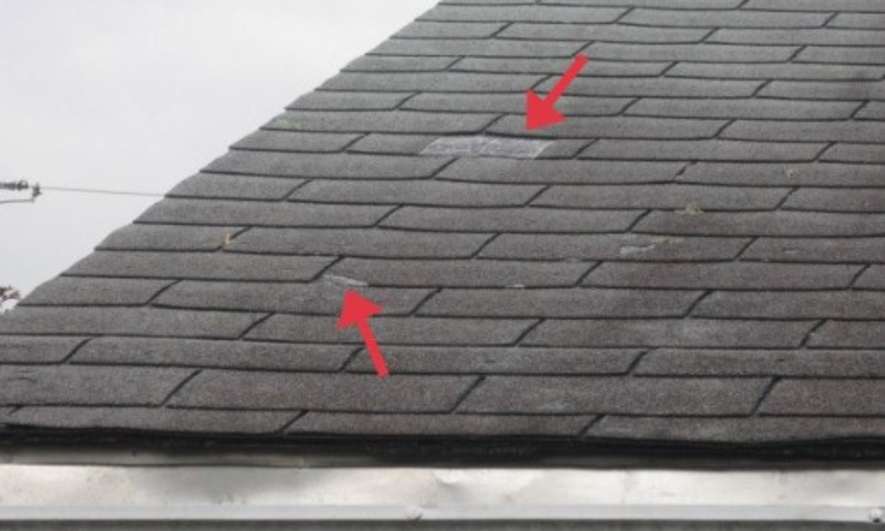
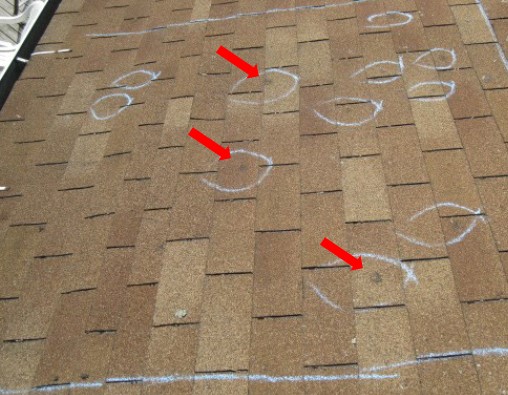
After a severe rainstorm, you might be tempted to rush outside to take stock of broken tree limbs, displaced shingles and shattered glass. But it’s important to remember to take your time and be careful when assessing damage to your property in the aftermath of a storm.
Remain in a Safe Space After the Severe Rainstorm
Stay in your home, or in your car if you’re driving when the storm strikes. Don’t leave until you’re absolutely sure it’s safe to go outside. A simple lightning safety rule: If you can hear thunder, do not go outside. Lightning can strike 10 miles away from the center of a storm, even in an area where no rain is falling. In fact, many people get struck by lightning after the storm has passed because they mistakenly believe they are out of danger. To be safe, stay inside for 30 minutes after the final thunderclap.
And as long as you can hear thunder, avoid using corded phones, stay away from electrical wiring and don’t take a bath or shower or wash dishes. Pipes can carry electricity and it is possible to get struck by lightning inside your home.
Check for Immediate Dangers
Once it’s safe to head outside, survey your property for any problems that might pose an immediate safety risk to you, your family and your neighbors. Common post-storm dangers include downed power lines and hanging or broken tree branches.
If you notice that power lines have been knocked down, stay far away and immediately call your local electricity provider to report the situation. If you have access to the internet, you should be able to find their emergency number on their website. Don’t walk next to live wires because a downed power line can “energize” the ground up to 35 feet away, according to the Electrical Safety Foundation International.
If you notice tree branches are broken or hanging, stay away from them. You’ll also want to keep kids and pets away. Call a professional to remove any damaged limbs.