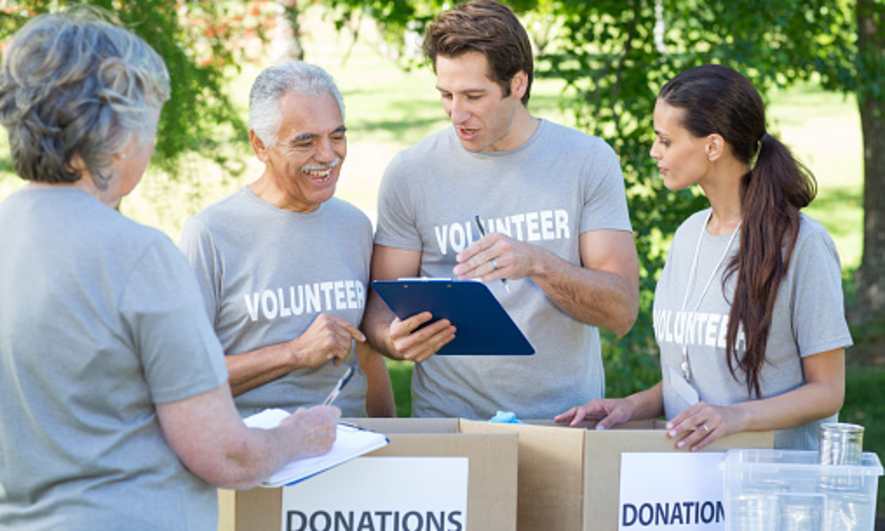
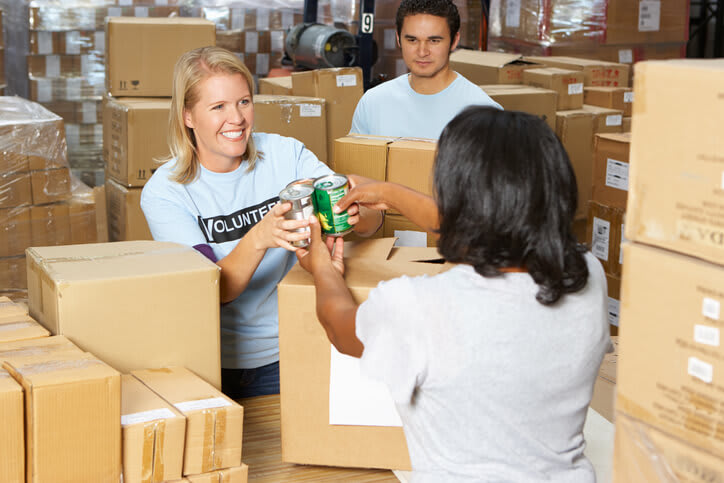
While it’s not hard to imagine that your work helps the organization, community or people you are serving, you may be surprised to find many benefits of volunteering for yourself, too. Volunteering improves longevity and quality of life, and, according to research compiled by the
AmeriCorps, plays a greater role in overall health than marriage, income, or education level.
Your Physical Well-Being
Volunteering can prove a fulfilling way to keep yourself active and maintain your physical health, whether you are still working or retired. In fact, a recent study by the Centers for Disease Control and Prevention (CDC) found that volunteering in retirement may actually make you live longer.
Retirement is a time to rest, relax, and engage in meaningful and fulfilling activities that your career may have crowded out. You may not have realized, though, how much of your physical wellness depended on your job — an obligation that kept you active, out and about, and adhering to a structured routine. The same applies for folks who work remote jobs.
Volunteer work can be a great way to increase your physical activity. Larry Gable of Chester, Virginia, who retired from a clerical position 11 years ago, is a prime example of this phenomenon. At age 71, Gable still runs, hikes, and plays golf, largely because he volunteers at a golf course every Saturday and organizes and leads group hikes for members of his church.
“I feel like my volunteer work has filled a void,” Gable explains. “My days are usually consumed as though I was still working.”
In addition, volunteering can help you manage chronic health conditions more effectively than can medical attention alone. For example, people suffering from chronic pain reported a decrease in symptoms after beginning a volunteer position.
Your Emotional Well-Being
Volunteer work is good for your body, but it also offers many benefits to your emotional well-being. According to a study by CNCS, over
65% of people experienced an increase in meaningful
social connections after beginning in a volunteer role. The same study found that 70% of participants who were prone to depression experienced fewer symptoms of the condition just one year after beginning to volunteer.
Tom Stuart, a retiree in Michigan, says volunteering helps him keep his mind sharp, and cites the most beneficial element of his volunteering as his “belief that I am making a difference.” This aligns with what an annual survey of
AARP’s Experience Corps participants found: almost 100% of Experience Corps volunteers felt their volunteer work provided them with “a sense of life purpose.”
If you feel like you’re experiencing a lack of purpose, whether working or retired, volunteering can be a satisfying way to reintroduce meaning into your life. Dorothy Stuart, an 81-year-old retired teacher and homemaker, began volunteering to satisfy her “need to contribute and fill some empty time with positive activities.”
In addition, volunteering provides an excellent outlet for meeting new people, building new relationships, and making and maintaining friendships. Mrs. Stuart explains that one of her favorite aspects of volunteering is “being with people for a purpose. Most of all, I love the interaction with people.”
If you’re looking for a way to not only improve and maintain your own well-being, but also the health of your community, volunteering may be for you. The practice
improves the global economy by helping to reduce government spending and increasing economic output. Put simply: your role as a volunteer can make a significant impact on the economy.
More tangibly, you can help make your own neighborhood safer and more cohesive, and contribute to a more concerned and involved citizen base. You also can help support local educational institutions and improve the environment of your local community.
If you begin a volunteer job with the assumption that volunteering, regardless of the role or organization, is inherently fun and fulfilling, you may be in danger of disappointment. Choosing the right charity to volunteer for is an important part of the volunteering process.
As
Robert Laura, author of
The Naked Retirement, writes at
Forbes, “One way to better define how and where you want to spend your time is to ask yourself, ‘what disturbs you?’ What stresses you out and causes you to think, ‘I need to do something about that.'” Be sure to find a cause and organization that aligns with your answers.
For example, Gable, a Vietnam War veteran, knew that “being a veteran myself, I wanted to help my fellow veterans.” To satisfy his desire, Gable spent five years volunteering at McGuire Veterans Hospital, where he helped veterans “have a less stressful day by helping them maneuver through the huge complex with the least amount of difficulty.” This role proved a good fit for Gable, as it required him to help direct patients to their designated appointments, combining his background as a veteran with his logistics experience in his career.
As you consider where you might want to volunteer, remember that no organization is perfect; many have flaws and limitations. It’s important to recognize these shortcomings and be realistic about them. It’s also important to know how to get out if needed. Yes, you want to help, but your volunteer experience needs to be fulfilling for you, too. When you begin volunteering at an organization, make sure you understand what the process would be should you need to withdraw your services.
Finally, keep in mind that some charities offer benefits to volunteers, such as discounts, grants, or scholarships. Consider what trade-offs you might enjoy in addition to the fulfillment volunteering will likely provide.