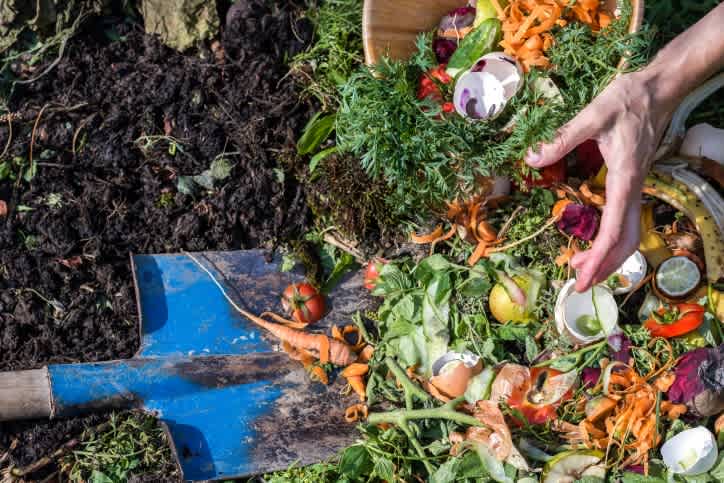

Many people think there is nothing wrong with snubbing leftovers or tossing food that’s slightly past its “sell by” date. It’s time for everyone to think again. Statistics posted by the USDA about food waste in the U.S. can be startling: 30 to 40 percent of the American food supply goes to waste, primarily in homes, stores and restaurants. Plus, food waste costs Americans over $161 billion annually.
Why Should You Care About Food Waste?
When you waste food, it’s not just a waste of money — it also causes long-term ecological impact. The resources that go into creating tossed food generate greenhouse gas emissions equal to 42 coal-fired power plants, according to the Environmental Protection Industry.
Plus, when you waste food, it can even cause food prices to rise even higher.
“If everybody bought only the amount of food that they actually ate, need would go down by a fair chunk, which would then push prices downward,” says Brian Roe, PhD, a professor of agricultural marketing and policy at The Ohio State University. “Prices are higher than they otherwise would be because of the higher volume of demand.”
Most Americans would say they’re concerned about food waste, but nearly three-quarters believe that they waste less food than the national average, according to a survey from the Johns Hopkins Center for a Livable Future, according to The National Resources Defense Council. One-third think that they don’t create any food waste at all, reports a Michigan State University poll.
Of course, the goal isn’t perfection — it would be unrealistic to vow you’ll never let another piece of produce go bad.
“We’re going to make a few mistakes, and it’d be crazy expensive to try to get it to zero,” Roe says. “There always be a little bit of food waste, but a lot more than is probably logical right now.”
How to Reduce Your Food Waste
Feeling motivated to do your part in reducing food waste? Here are some steps you can take in your own home.