Plastic is everywhere. Even in the ocean, there are
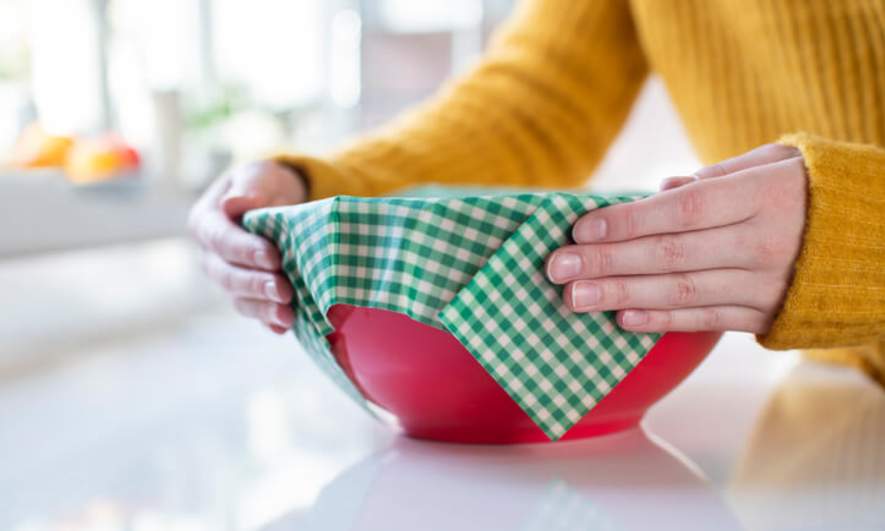
5.25 trillion pieces of plastic debris. From plastic wrap and sandwich bags, to single-use water bottles or shopping bags, plastic is an everyday household material that frequently gets tossed. The good news is that there are many better alternatives. Reusable shopping bags are a great, cost-effective way to reduce waste – and they are much sturdier. When it comes to food, you could invest in a few cloth bowl covers, which are great for leftovers, or beeswax wraps to wrap around food products, which also keeps food fresh longer! If you end up with plastic bags or bottles, that doesn’t mean they need to immediately be thrown out, either. Get creative with it! Use your shopping bags as trash can liners, or craft a plastic bottle so it’s a vase or plant propagation station.
2. Learn How to Properly Recycle Aluminum
Many of us use aluminum foil to line baking trays when roasting vegetables or baking muffins. Our instinct may be to just throw it out after for an easy clean-up, but aluminum is fully recyclable as long as it’s free of any food debris or particles. Giving it a quick rinse will do wonders to the environment (and your wallet). If it’s still in good shape, you can even use it again. Or, possibly an easier option, is to invest in reusable baking tray liners or cupcake liners. These are both easy to clean and store, and may end up saving you more money over time.
Paper products account for
26% of landfill waste. While your family probably won’t embrace reusable cloth toilet wipes, it’s pretty easy to replace paper towels with cloth kitchen towels. Microfiber is quick drying, or to save even more money, cut up an old flannel shirt. While you’re at it, it might be time to rethink your tissue use. As long as you wash them after use, hankies are a great alternative.
4. Buy Less, or Buy in Bulk
To truly produce less waste, we have to buy less. In a world where we can buy almost anything within seconds, it’s important to be mindful of our shopping habits, and critical if need be.
For those items or times where not shopping isn’t an option, try to buy in bulk. By doing so, you’re using less single-use packaging, typically going to the store less, and ultimately saving more money at the end of the month. Win-win-win!
Next time you’re at the supermarket, check out the bulk food aisles. You should be able to find everything from breakfast cereals to baking ingredients. Eventually, you could even try shopping at a grocery store that only sells in bulk. If you’re worried about food going bad, remember that the freezer is your friend.
The one downside to buying in bulk is that it sometimes encourages using plastic or other single-use materials to store each type of food. You can cut down on this waste by storing bulk foods in refillable containers, such as glass mason jars, tote bags, or that plastic takeout container from your lunch last Thursday. Just don’t forget to bring them with you to the store, and make sure you don’t pay extra for the weight of the container.
6. Choose Digital Over Paper & Opt-in to Paperless
Another way to reduce the amount of paper your family wastes is to choose digital over print whenever possible. While you can choose to buy the Kindle edition of the latest book by your favorite author, it’s especially important to do so for your weekly newspaper and monthly magazine subscriptions.
And, if you haven’t already done so, ask to receive paperless statements and bills from your service providers. Many financial institutions now offer paperless credit card, investment, mortgage, loan, and line of credit statements. Utility and telecommunication companies similarly send bills and usage statements through email.

 Another easy way to start working towards a zero-waste home is to avoid buying drinks in disposable cups, like Styrofoam or plastic. Instead, choose reusable water bottles for cold drinks or travel mugs for hot beverages. Get in the habit of always having them on you, and asking your local barista to use them instead of their own cups the next time you’re at the drive-thru for your morning cup of joe.