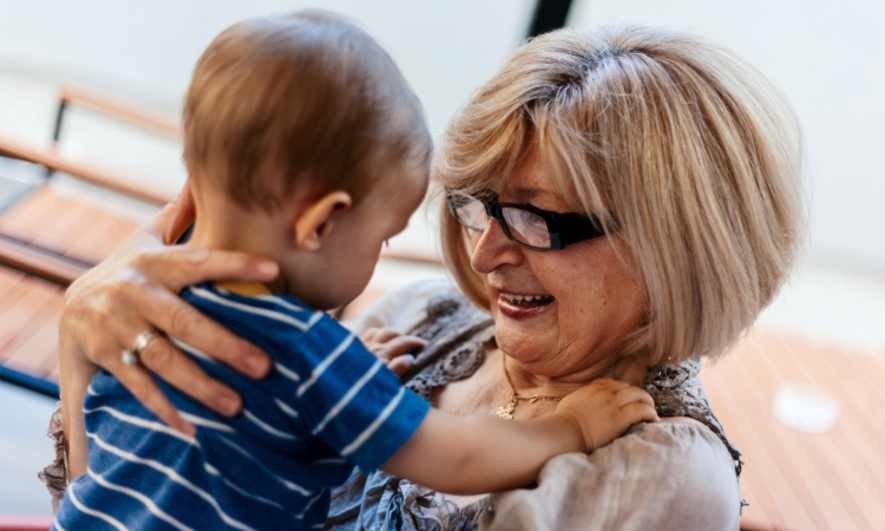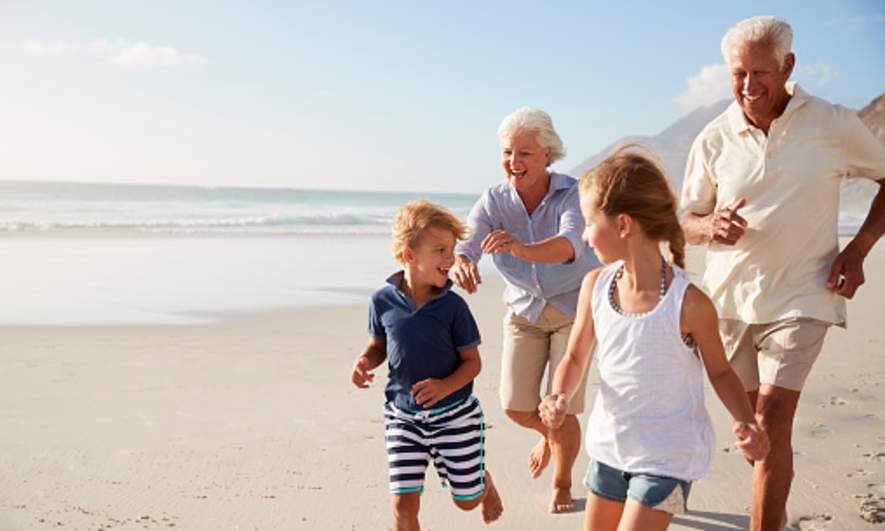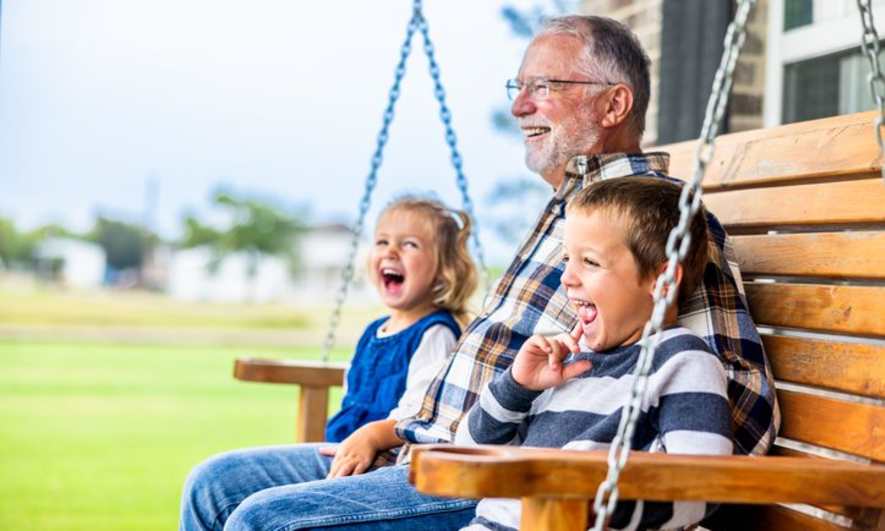

Few things feel better than that first big smile of recognition from a new grandchild. It often kicks off a relationship that can fill your heart with love and your head with pride for many years to come.
Guiding a child and keeping them on track is primarily the responsibility of the parents, which means the grandparents can step in for the fun and adventure!
Read on (and download The Hartford’s free guide) for ideas on navigating grandparenthood to make sure your loved ones have fun and are safe with you.
Babies and Toddlers: Keeping Them Engaged and Safe
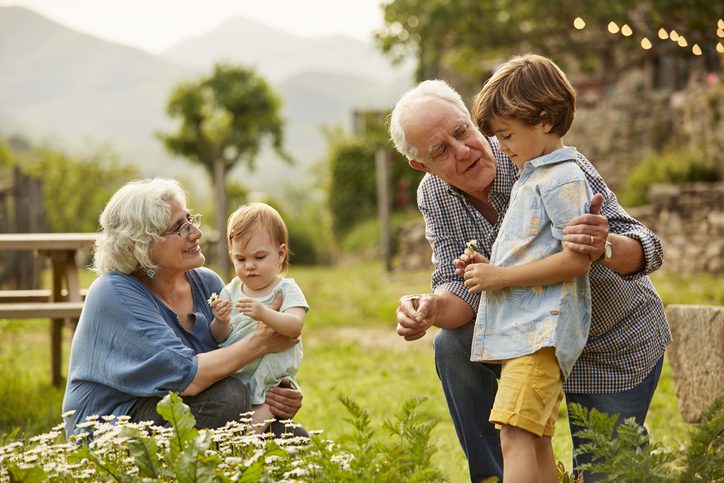
Love the library: Libraries are perfect places for grandparents and grandchildren – with story and craft hours, or just as a comfy place to explore the world of ideas. You don’t need a library card, but if you can get one, you also can borrow some of the books and other media to enjoy later.
Be crafty: Encourage kids to put away their screens and help them appreciate their creativity by making something simple and fun. Paper plate crafts have lots of options, from painting every letter of the alphabet to making flowers and faces.
Encourage the Cookie Monster: Baking with your grandchildren is pure fun. Buy some simple cookie cutters and choose some sprinkles to decorate with. Let the kids choose the colors and the flavors. Don’t be surprised if they love playing with the whisk as much as they enjoy eating the cookies.
Start a tradition: Going to special holiday events – Halloween parties, Thanksgiving walks, and Christmas and New Year’s celebrations – are fun for everybody. But having grandparents along will only make things more memorable.
Make waves: Taking a young child to swim lessons does involve a time commitment, but it can also be a priceless gift that’ll help keep them safe for the rest of their lives. Organizations like the YMCA offer adult-child swim classes for children as young as six months.
Rock the park: Regular trips to climbing structures and other play areas at the park strengthen muscles and make memories. The benefits of climbing, swinging, and sliding are more than physical. These structures also are good for the brain, experts say, as children explore, follow their curiosity, and socialize with peers.