
Carbon monoxide is a highly toxic gas produced when organic matter is burned in an environment without sufficient oxygen. When inhaled, it enters the bloodstream and prevents red blood cells from carrying oxygen. Without oxygen, the cells die. Even non-lethal levels can cause grievous harm to the central nervous system and the heart.
The Invisible Risks
Because carbon monoxide is colorless, odorless and tasteless, it may be hard to detect. In fact, according to the CDC:
- More than 400 people die every year from unintentional carbon monoxide poisoning
- More than 100,000 visit the emergency room with symptoms
- More than 14,000 are hospitalized
Thankfully, there are warning symptoms that are indicative of carbon monoxide poisoning. Knowing what they are could save your life. Read on to learn more and stay safe.
Common Causes of Carbon Monoxide Poisoning
Carbon monoxide poisoning is most prevalent during the cold weather months due to people being indoors and using heating systems that pose a risk of leaking. But any fuel burning system can pose a CO poisoning risk, regardless of time of year.
Heating methods and household items that pose a risk include:
- Furnaces, both gas- and oil-burning
- Chimneys
- Wood-burning stoves
- Fireplaces
- Space heaters
- Portable generators
- Charcoal grills
CO poisoning can also occur when you leave your car running in an enclosed space, like your garage.
Preventing Carbon Monoxide Poisoning
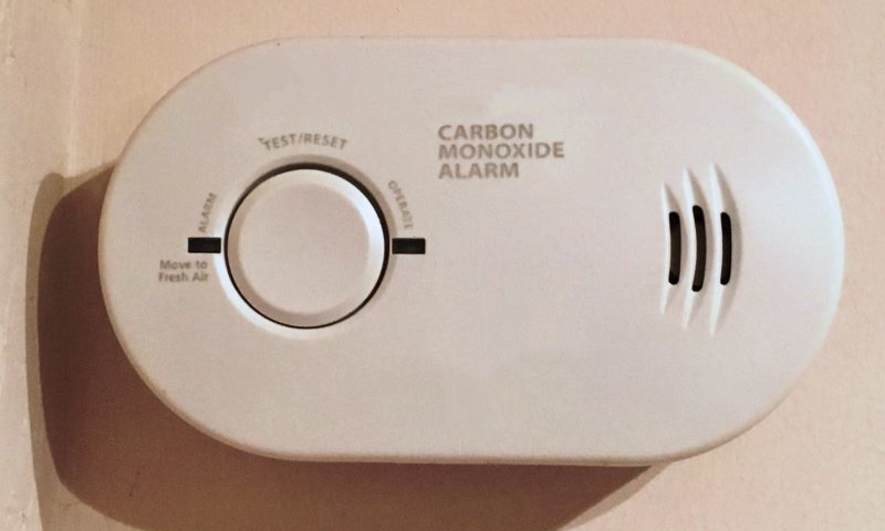
An easy, affordable and effective way to prevent CO poisoning is to install a carbon monoxide detector in your home. These detectors are similar to smoke detectors in that they can be placed in any room of your house and run on batteries. Some you plug right into an outlet and keep there for monitoring.
After you set up these detectors, you will want to make sure you maintain them regularly. Every detector will need to be replaced at some point in time; you can find out how long yours will last by checking the packaging. When in doubt, swap it out. You should also test your CO detector frequently. Generally, you can do this by using the test button on the detector.