
When the weather turns chilly outside, many homeowners turn to a fireplace, space heater, wood-burning stove or patio heater to make their space a little cozier. Yet these appliances require proper installation, use and maintenance to keep you, your home and your family safe.
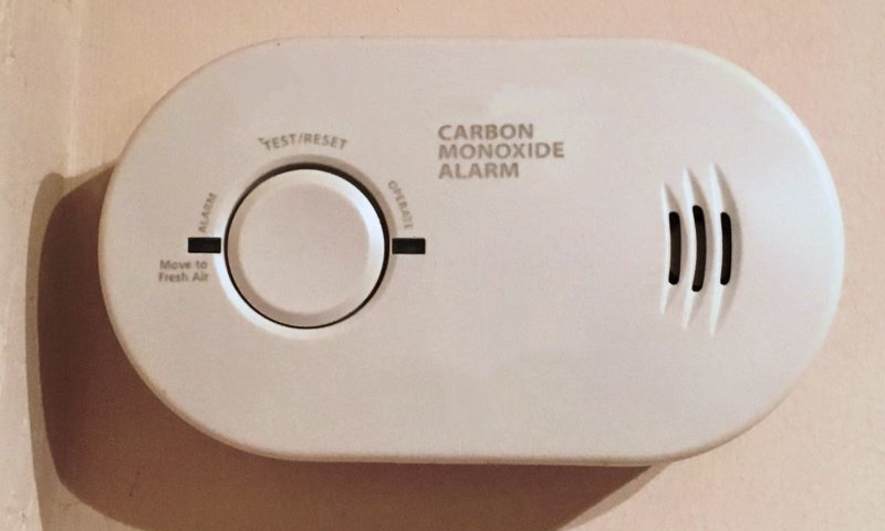
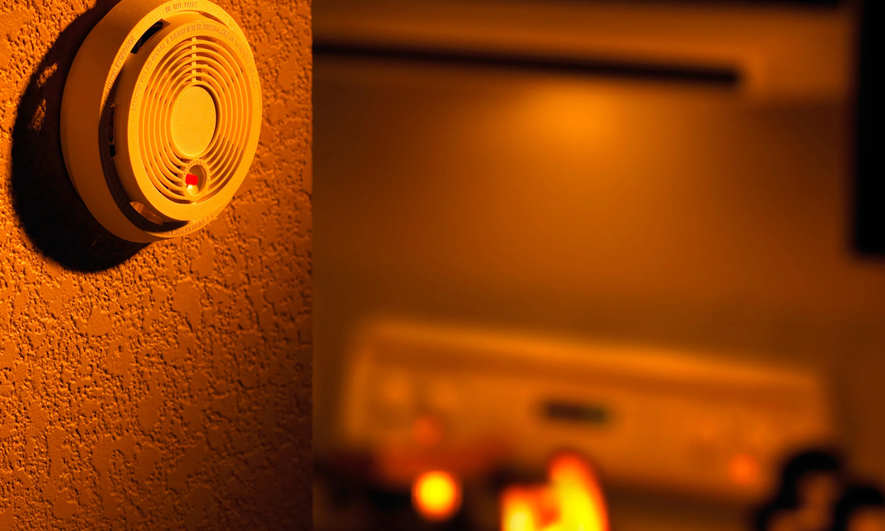
Installing and maintaining working smoke and carbon monoxide detectors is important in all homes, especially those that enjoy a wood stove or wood-burning fireplace. There are also several other things you should be aware of so you can enjoy heat-generating appliances safely.
Electric Space Heater Safety
According to the US Fire Administration, fires caused by portable electric heaters cause 65 deaths and 150 injuries each year.
While an electric space heater may seem like an easy way to warm up a drafty or chilly room in your house, ultimately it can be wise to avoid them altogether. But, if you do choose to use one, it is imperative to follow strict electric space heater safety guidelines.
1. Choose the Right Heater for Your Space
Determine the size of the room you’ll want to heat. Shop for a heater that is an appropriate size for your space. The packaging or manufacturer specifications should tell you how many square feet the appliance can heat. Choosing a heater that’s too big for the room can pose a safety risk.
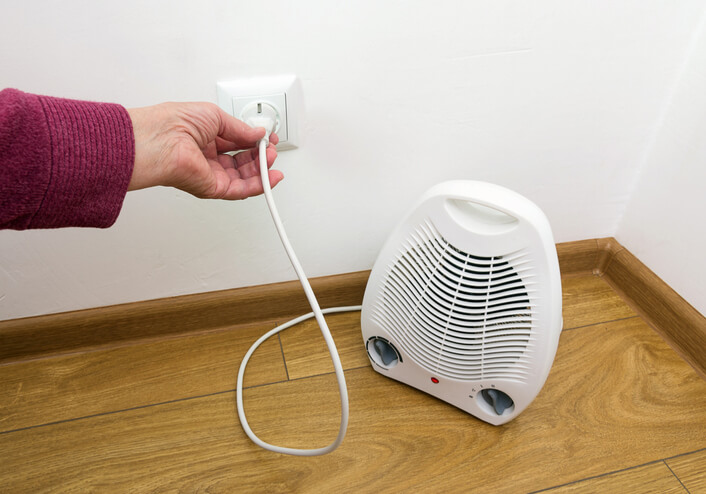
2. Purchase a Quality Heater with Safety Features
Buy your space heater from a reputable retailer, and make sure the label states that it has been certified by an independent testing laboratory such as UL. Look for features like a safety cut-off switch that will turn the heater off if it tips over.
3. Use the Space Heater Safely at Home
Follow these basic safety precautions when using your electric space heater:
- If you need an extension cord, use the shortest one possible. Never run the cord under rugs because that could create a tripping hazard.
- Set the heater on a level surface to reduce the chances it will tip over while running.
- Make sure the heater has at least three feet of space around it on all sides. Keep it clear of furniture, blankets and any other items that could catch fire. Also keep pets and kids away from the space heater while it’s running.
And finally, turn your space heater off if you plan to leave the room or go to sleep to avoid the serious fire risk posed by an unattended electric space heater.
Electric Fireplace Safety
Electric fireplaces have become popular with homeowners who love the pleasant glow of a fire but don’t want to deal with wood, smoke and ashes. They are generally safer than those that burn wood, but it’s still important to follow these electric fireplace safety tips:
1. Buy the Right Electric Fireplace for Your Home
There are many electric fireplaces available, including:
- Wall-mount units
- Standalone units
- Units that can be retrofitted to an existing hearth
Choose an electric fireplace that’s right for the size of your space and the location you want to use it, whether indoors or outdoors. Note that many electric fireplaces are made for indoor use only. Also look for safety features such as an overheat safety shutoff and a feature that monitors the heat of the plug to prevent electrical fires.
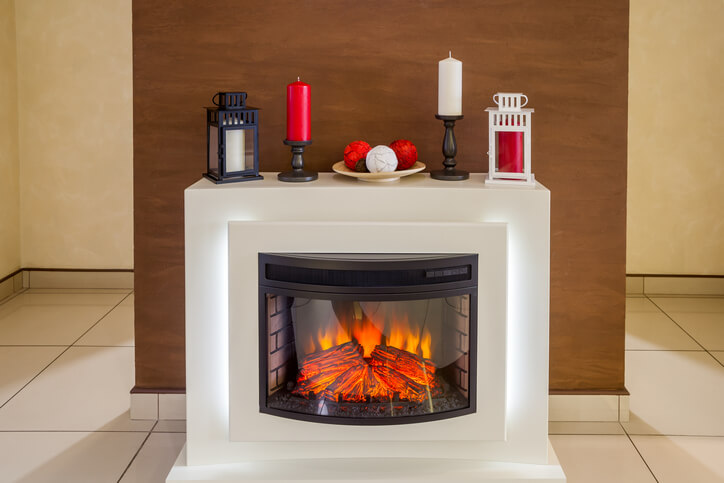
2. Make Sure You Install Your Electric Fireplace Correctly
Some electric fireplaces simply plug into a power outlet. If you buy an electric fireplace that plugs in, follow the manufacturer’s instructions about the required type of outlet and grounding. You may need to put the fireplace on a dedicated circuit to avoid blowing a fuse. And if you buy an electric fireplace that needs to be hardwired into your home’s electrical wiring, hire a licensed electrician to do the job safely.
3. Operate Your Electric Fireplace With Safety in Mind
Only use your electric fireplace when you’re awake and in the room where it’s operating. Electric fireplaces give off much less heat than wood-burning fireplaces, but it’s still important to be diligent when you’re using one. Follow manufacturer instructions on cords. For example, some manufacturers warn you not to use an extension cord with your electric fireplace.
4. Be Careful When Performing Maintenance
If you need to change a light bulb, clean the fireplace or perform other maintenance, make sure the appliance is unplugged and has cooled down completely first. Follow the cleaning and maintenance instructions in the owner’s manual when accessing the unit, cleaning it and performing maintenance. For example, the manual may tell you not to use water or abrasive cleaners on your fireplace.
Gas Patio Heater Safety
Patio heaters allow you to stay warm and toasty in your outdoor living space into the fall and even the winter, depending on where you live. Most gas patio heaters run on propane gas, though there are electric and natural gas patio heaters. If you’ll want to heat up your outdoor space, follow these patio heater safety tips:
1. Choose an Appropriate Patio Heater for Your Space
The manufacturer specifications should tell you the size of the area the appliance is intended to heat. Measure your space, and pick a heater that’s the correct size for the square footage. You may need multiple heaters for a large space. Also look for safety features, such as automatic shut-off when the heater is tilted.
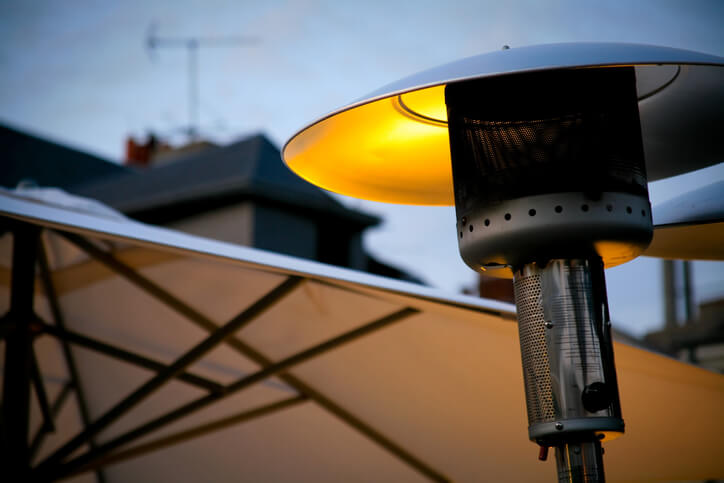
2. Follow Manufacturer Instructions on Proper Use and Placement
The manufacturer will tell you what kind of fuel to use for your heater and where you can safely place the heater in your outdoor space. Pay close attention to the required distance from walls and ceilings or tarps. Putting your heater too close to one of these structures could cause a fire.
3. Use a Patio Heater Only in a Well-Ventilated Outdoor Space
Patio heaters such as those that run on propane gas emit carbon monoxide and other toxic fumes. It is very important to never, ever use a patio heater indoors. Doing so could pose a life-threatening safety risk to you and your family. Patio heaters are meant for use on outdoor courtyards, decks and patios.
4. Store Your Heater in a Safe Place During Windy Weather
If you’re expecting strong winds in your area, you may need to store your patio heater in a shed or other safe space during the bad weather. High winds could tip and damage your patio heater, making it less safe to operate.
Wood Stove and Fireplace Safety
Few things are cozier than a crackling fireplace. But be sure to follow these safety tips to keep the fire where it belongs.
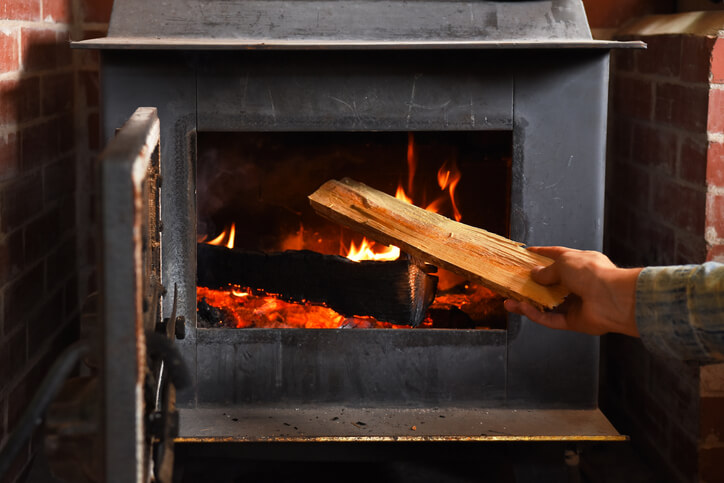
1. Correct Installation Is Critical
If you’re considering installing a wood stove in your home, it’s important to find a trusted professional. They will be familiar with your local and regional regulations regarding wood-burning appliance installation and maintenance, such as annual cleaning. Make sure your stove complies with all local fire and building codes, such as proper clearance around the stove and acceptable venting. Also ensure your stove pipe dimensions and flue/damper specifications meet the necessary requirements.
Whether you heat your home with a wood-burning fireplace or a wood stove, it’s critical to make sure there’s enough ventilation to direct smoke and carbon monoxide out of your home. Inadequate ventilation could lead to the buildup of carbon monoxide, a silent, odorless, yet deadly, gas inside your home.
Also take a look at what’s surrounding your chimney on your home’s exterior. Remove tree branches that are within 15 feet from the top of your chimney. Ensure there’s a chimney cap installed to prevent debris and small animals (like squirrels) from falling in and blocking the smoke flow from your wood stove or fireplace.
2. Maintain Your Wood-Burning Appliances
As with all areas of your home, proper maintenance of your wood-burning appliance helps prevent potential problems like overheating, which could lead to fires, and leaks that could lead to carbon monoxide poisoning. Keep an eye on your wood stove doors’ seals to ensure they aren’t crumbling. Also monitor your chimney for wear and tear on pipe, stone, mortar or chimney bricks that could pose a fire hazard.