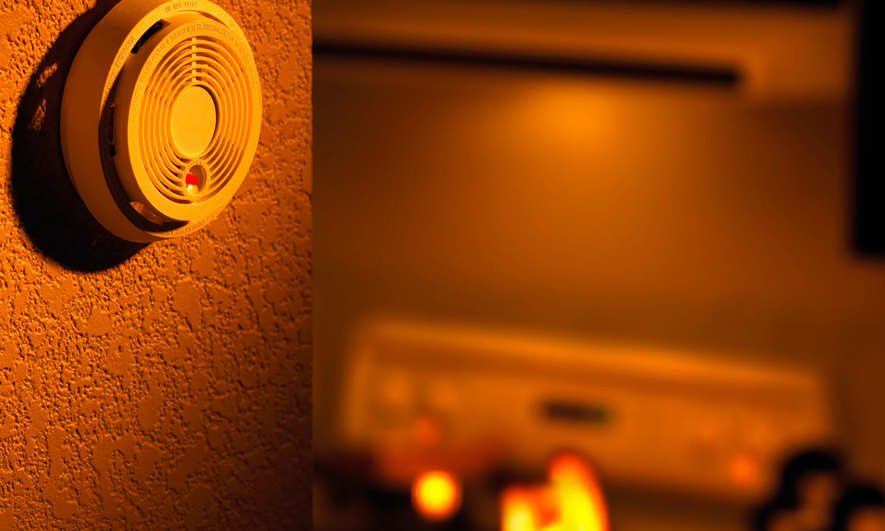

Your home is somewhere you expect to feel safe. Yet more injuries and deaths from fire occur in the home than in any other place. Aging adults particularly are at a greater risk of fire death than the general public.
Don’t underestimate the danger of fire. Use this home fire safety guide to help you prepare and learn what to do if a fire breaks out in your home.
Home Fire Safety and Prevention by Fire Type
Cooking Fires
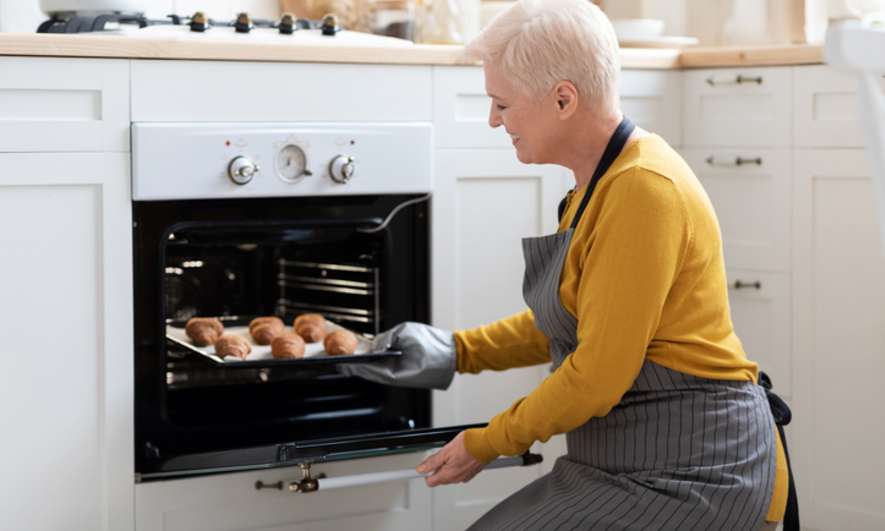
Cooking fires are the leading cause of home fires and injuries. Here are home fire prevention tips you can do to decrease the chance of a cooking fire:
- Never leave the stovetop unattended.
- Electrical Stoves: Use a burner that is the right size for the pan. A burner that is too large can cause the pan and its contents to heat too quickly, which can lead to boil-overs, scorching and burning.
- Gas Stoves: Keep the flame entirely under the pan. A flame that surrounds the pan can easily ignite a loose-fitting sleeve.
- Keep the stovetop, oven and range hood free of grease and spills that can catch on fire.
Electrical Fires
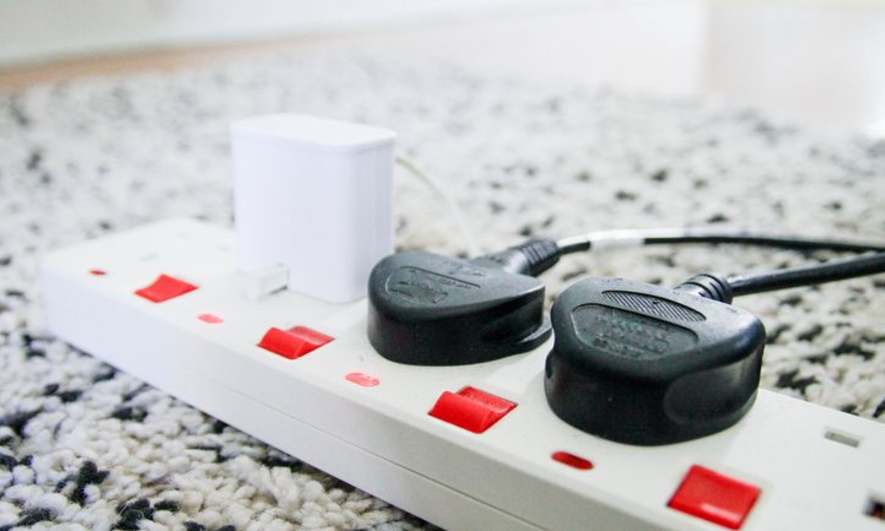
Home electrical fires can occur if wires are installed incorrectly or if circuits are overloaded.
Warning signs include:
- Flickering or dimming lights
- Switches or outlets that are hot to the touch
- Switches or outlets that emit a pungent odor
- Discolored cords, outlets and switch plates
- Repeated blown fuses or tripped circuit breakers
Here’s how you can protect yourself from starting an electrical fire:
- Hire a qualified, licensed electrician to inspect your home and make any necessary repairs.
- Replace fuses or circuit breakers with the correct size.
- Don’t run cords under carpeting, bedding or other combustible materials. Don’t run cords across a frequently traveled area.
- Discard frayed or broken cords and never splice two cords together.
- Use the right wattage for lamps and fixtures.
- Position lamps away from open windows, where strong breezes can blow draperies onto hot light bulbs.