Get Regular Eye Exams
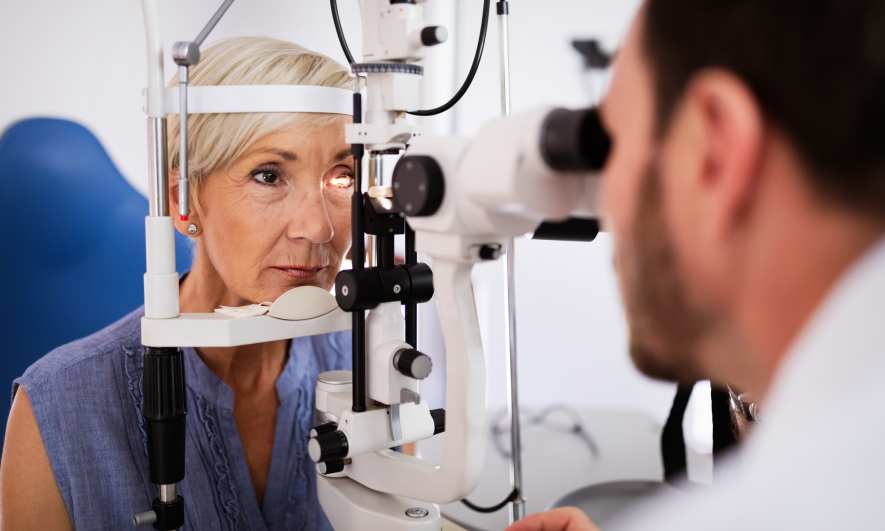
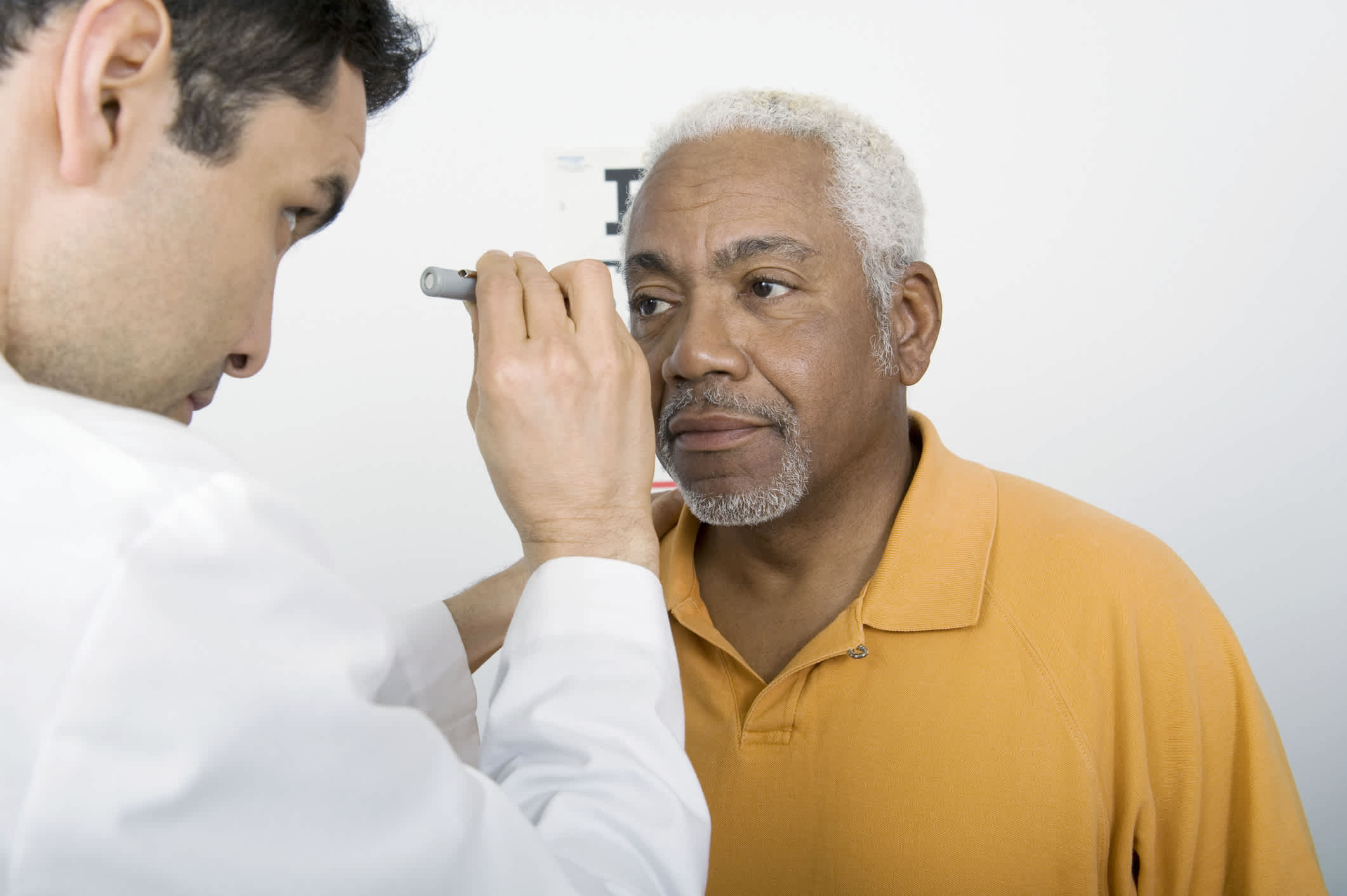
Regular and complete eye exams are an important part of practicing good eye care and maintaining eye health. The
AAO recommends that adults aged 40 and up get a complete eye exam. After an exam, your ophthalmologist can recommend how often you should return to get your eyes checked.
Exceptions
- If you have diabetes, high blood pressure or a family history of eye disease, get a complete screen now. Your ophthalmologist or optometrist can then recommend how often you should be seen.
- If you wear contact lenses or glasses, get a yearly exam to make sure your prescription is still correct.
Eye exams are especially important as you age since your risk for eye disease increases as you get older. If you’re 65 or older, the
AAO recommends you go for an eye exam every year or two. During these appointments, your ophthalmologist will check for symptoms of age-related eye diseases. Seek help immediately if you have an eye infection, inflammation, or trauma.
Manage Your Diabetes
People with Type 1 and Type 2 diabetes are at bigger risk for eye problems, including glaucoma (damage to the optic nerve caused by high eye pressure), cataracts (clouding of the lens), retinopathy (damage to the blood vessels in the retina), and blindness, says the
American Diabetic Association.
Make sure to follow your diabetes protocol and check in regularly with your doctor, especially if you develop a major vision problem. With good management, your eyesight issues should remain minor.
Control Blood Pressure
High blood pressure may lead to hypertensive retinopathy (blood vessel damage that blurs vision or causes blindness), choroidopathy (build-up of fluid under the retina that can distort or impair vision) or optic neuropathy (blood flow blockage that can kill nerve cells and cause vision loss), says the
American Heart Association. These results of uncontrolled hypertension may not show up for years, which is all the more reason to stop the build-up by managing it now.
Eat Eye-Healthy Foods
The
AAO recommends a diet that is specifically rich in the following:
- Vitamins A, C, and E
- The antioxidants lutein and zeaxanthin (leafy green vegetables)
- Omega IIIs (cold-water fish such as salmon)
- The mineral zinc (beans)
Dr. Ansari reports that taking AREDS vitamins, marketed to help with macular degeneration, have been proved to slow the progression in people who already have the disease but have no effect in people who don’t. It has not been shown to be preventive.
Quit Smoking
You know smoking can lead to heart disease and lung cancer. But are you aware that it can also cause vision loss?
According to the New York State Department of Health, smokers are more likely than nonsmokers to develop:
- Age-related macular degeneration — Three to four times greater risk.
- Cataracts — Three times the risk if you are smoking more than 15 cigarettes a day.
- Glaucoma — There is a proven link between smoking and high blood pressure, cataracts and diabetes, all of which heighten the risk of glaucoma.
- Diabetic retinopathy — Smoking can increase your risk of developing diabetes and makes managing it more difficult.
- Dry eye syndrome, inadequate eye lubrication — More than twice as likely to affect smokers.
Get Active
Did you know exercise can help keep your eyes healthy? A
recent study showed that people who moderately exercised were 25% less likely to develop glaucoma than people who were less active. For people with treated glaucoma, moderate-to-vigorous physical activity was linked to slower rates of visual field loss.
Another
study found that people who exercised at least three times a week were less likely to develop age-related macular degeneration.
Your eyes help you navigate the world throughout your life. Practice good eye care, and you should be seeing clearly for a long time.