Comprehensive vs. Collision Insurance

Get a Quote
Discover discounts and benefits with the AARP Auto Insurance Program from The Hartford.

Key Takeaways

  • What is comprehensive and collision coverage? They are two complementary insurance coverages that help protect you from a range of scenarios, from hitting a fence to highway fender benders.
  • Collision coverage helps cover the cost to repair or replace your car if you hit another vehicle or object, like a fence. Comprehensive coverage pays to repair damage to your car from other situations, such as vandalism.
  • Comprehensive versus collision coverage costs vary based on many factors, which we’ve outlined to help ensure you know the ins and outs of your policy.

What’s the Difference Between Comprehensive and Collision?

Simply put, the difference between collision and comprehensive is that collision coverage helps protect you from auto-related crashes, while comprehensive insurance offers coverage for non-accident situations. If you own your car, these types of car insurance coverage are often optional. But if you have a loan or lease on your vehicle, your bank will typically require you to have them to help protect their financial investment.
 

What Does Comprehensive Coverage Cover?

Comprehensive insurance pays to repair damage to your car from non-collision accidents, such as:
 
  • Theft: If someone steals your car, this coverage helps pay to replace it.
  • Vandalism: Comprehensive coverage helps pay to repair your car if it’s ever intentionally damaged by someone else or during civil disturbances.
  • Fire: If your car is damaged by fire, comprehensive coverage helps pay to repair or replace it.
  • Natural disasters: Weather-related damage is covered as part of comprehensive insurance, like if your vehicle sustains damage in a wildfire.
  • Animal collisions: If you hit a deer, this coverage helps fix your car so you can get back on the road.
  • Falling objects: From tree limbs to thick icicles, comprehensive coverage helps protect your vehicle from damage due to falling objects, whether they’re nature-related or man-made.
While comprehensive car insurance may be optional for you, it’s often a wise choice to include as part of your policy. From storms to theft, the range of protection it provides can bring you peace of mind, whether you’re frequently on the road or often parked.
 

What Does Collision Coverage Cover?

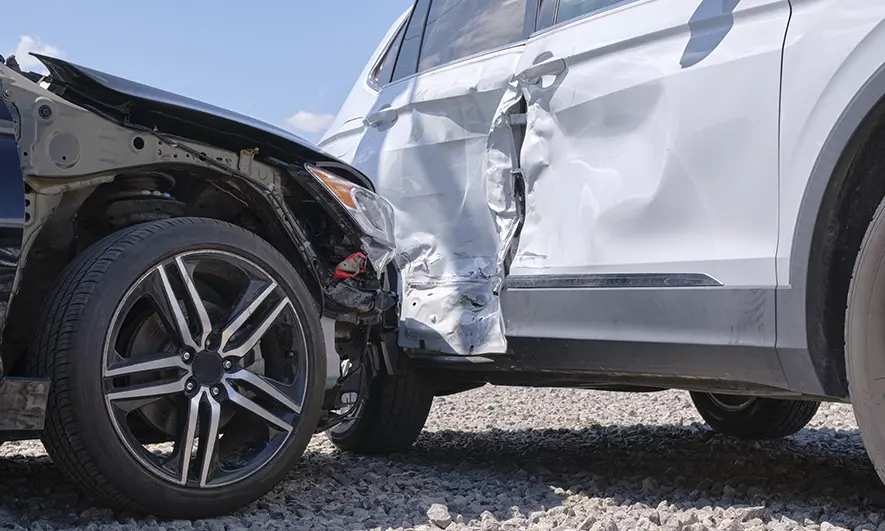
Collision insurance helps pay to repair or replace your car if you hit another vehicle or object, like a fence. Common examples include:
 
  • Colliding with another vehicle: From small bumps to large crashes, collision coverage helps pay to repair or replace your vehicle after a car-related accident.
  • Rollovers: More extreme crashes, like rollovers, are also protected as part of collision insurance.
  • Hitting an object: This coverage offers protection if you hit an object that damages your car, like a pole, guardrail, fence or mailbox.
Even if it’s not required, collision insurance is a smart addition to a car insurance policy. Whether you drive frequently or live in a high-traffic area, you can be confident knowing your vehicle is covered against car crashes or mailbox run-ins.
Tip:
Fault does not typically affect whether collision coverage applies. That means even if you’re found responsible for the damage, this coverage will still kick in to help.
 

Comprehensive vs. Collision Coverage: Key Differences

To break down the differences between comprehensive versus collision coverage, we’ve created this helpful table:
 
Coverage Feature Comprehensive Coverage Collision Coverage
Type of Damage Damage caused by non-collision events Damage caused by a collision
Common Examples Theft, vandalism, fire, weather-related damage, falling objects, hitting an animal Colliding with another vehicle, hitting an object, rollovers
Cause-Based Distinction Applies when damage is caused by something other than a crash Applies when damage results from a crash or impact
Typical Cost Often costs less than collision coverage Often costs more due to higher likelihood of claims
Required by Law Not required by state law Not required by state law
Lender Requirements Usually required if your car is leased or financed Usually required if your car is leased or financed
Deductible Typically has its own deductible Typically has its own deductible
 

Does Full Coverage Include Comp and Collision?

Full coverage car insurance generally refers to a policy that meets any liability requirements in your state and includes both comprehensive and collision coverage.
 
While full coverage car insurance offers at least the bare minimum required amounts where you live, coverage needs vary by person. For example, you may want more protection to help avoid out-of-pocket expenses.
drivers protected by car comprehensive and collision coverage

How Much Do Comprehensive and Collision Insurance Coverages Cost?

The cost of comprehensive and collision insurance coverages will vary depending on factors like where you live and your deductible amounts. Claim frequency and repair costs also impact car insurance premiums. However, collision coverage typically will cost more than comprehensive coverage as the damage sustained by vehicle-related accidents is usually more severe and costly to repair.
AARP® Auto Insurance from The Hartford1 offers customizable coverage options to meet any budget. To get your personal AARP member price, call The Hartford at 888-546-9099 or get a quote for car insurance online in minutes.
 

Factors Influencing Collision and Comprehensive Auto Insurance Costs

In this comparison table, we’ve explained why costs may differ between comprehensive and collision coverage:
 
Cost Factor Comprehensive Coverage Collision Coverage
Claim Frequency May be less frequent Tends to be more frequent
Typical Repair Costs Damage may be less severe or localized Repairs often involve higher costs
Type of Risk Non-collision events like weather or theft Crash- and impact-related damage
Vehicle Value Impact Higher vehicle value may increase cost Higher vehicle value may increase cost
Deductible Role Separate deductible typically applies Separate deductible typically applies
Overall Cost Trend Often costs less than collision Often costs more than comprehensive
 

Comprehensive vs. Collision: How Deductibles Work

A car insurance deductible is an amount you must pay after a covered loss before insurance coverage kicks in. Since comprehensive and collision are separate coverages on your policy, they’ll also have different deductibles. You can choose your deductible amount, but it’ll impact your insurance cost.
 
For example, you may debate a $500 versus $1,000 car insurance deductible. A lower deductible means you’ll pay less before your insurance covers the rest, but it may result in a higher monthly premium. On the other hand, a higher deductible will result in lower insurance costs, but you’ll have to pay more out of pocket before your insurance helps out.
Tip:
Picking the right deductible amount depends on your comfort with out-of-pocket costs and how much you’d prefer to save on your monthly insurance premium.
 

How To Choose Between Comprehensive and Collision Coverage

If you’re not required to carry comprehensive or collision coverage on your car insurance policy, here are some considerations to help with your decision-making process:
 
  • Newer or higher-value vehicles: If your car is newer or high-value, it’ll likely cost more to repair or replace, potentially resulting in high out-of-pocket expenses.
  • Older or lower-value vehicles: Some drivers reassess coverage as a vehicle’s value changes, as it may not make financial sense to pay for coverage.
  • Whether the vehicle is paid off, leased or financed: Lender or lease requirements strongly influence coverage selections and sometimes even limits.
  • Parking situation and exposure to weather, theft or damage: Where and how a vehicle is parked may affect risk. For example, if you’re typically in a protected or coverage garage, your car is likely less exposed to external risks versus having it parked on a busy street or underneath a large tree.
  • Driving habits and local risks: Factors like distance, traffic and the driving environment may impact your risk of being in an accident.  

Do You Need Both Comprehensive and Collision Coverages?

Apart from any lender requirements, carrying both coverages may make sense for some drivers but not necessarily all. Vehicle value, financial comfort level and risk tolerance are a few factors to consider.
 
When having both coverages may make sense:
 
  • You have a newer or higher-value vehicle
  • You need help covering repair or replacement costs after a collision or non-collision event
  • Your vehicle is exposed to weather, wildlife or higher traffic
When you might reconsider having both coverages:
 
  • Your vehicle has a lower market value
  • You could comfortably cover repair or replacement costs on your own
  • Your premium outweighs the value of potential claims

Tips To Lower Insurance Costs

When it comes to lowering collision and comprehensive auto insurance, The Hartford proudly offers these discounts for AARP members, regardless of your coverages:
 
  • Bundle your home and auto insurance, car and renters insurance, or auto and condo insurance for an average savings of $963.**
  • Save 8% just by starting your auto insurance quote online.
  • Get a discount of up to 10% for paying your AARP car insurance bill from The Hartford on time.
  • Take advantage of a 5% defensive driving discount by taking an approved defensive driver course, like the AARP Driver Safety Course.
  • With The Hartford’s TrueLane Program, you can save up to 15% just for participating and earn a renewal discount of up to 40%, depending on your driving habits.^
  • If you pay your bill in full instead of making monthly payments, you’ll be eligible to receive extra discounts.
  • The Hartford offers safe drivers discounts, including savings if your car has safety features, like anti-lock brakes or anti-theft devices.
  • You can unlock a discount of up to 10% by maintaining a clean driving record for five straight years with The Hartford.
With The Hartford, AARP members can take advantage of optional coverages and exclusive benefits to extend their protection, such as:
New Car Replacement Coverage: If you total your new car, we’ll pay to replace it with a new car of the same make, model and equipment without subtracting anything for depreciation.§§
RecoverCare§ Coverage: The Hartford will help pay for home services, like house cleaning, if you’re injured in an accident and can’t do them yourself.
Lifetime Car Repair Assurance, which gives you access to our 1,600 authorized repair shops. If you use one of our recommendations, we’ll guarantee the workmanship on all repairs.
Disappearing Deductible, which reduces your collision deductible on your auto policy over time as long as you are a safe driver and maintain a clean driving record.

Rental Car Reimbursement Coverage

With rental car reimbursement coverage, your insurer reimburses you for a rental car in the event of a covered comprehensive or collision loss. Also known as transportation expense coverage, it helps cover the cost to rent a replacement vehicle while your car gets repaired.
Accident Forgiveness, which excuses your first accident if you need to file a car insurance claim, as long as all drivers on your policy have a clean driving record and are accident-free for five straight years with The Hartford.
female driver protected by comprehensive and collision insurance

Get a Comprehensive and Collision Insurance Quote

Since 1984, The Hartford has protected AARP members and their loved ones on the road. From tailored car insurance coverage to savings and benefits, your protection is our passion. Call The Hartford at 888-546-9099 or get a quote online today.

Frequently Asked Questions About Comprehensive vs. Collision

No, comprehensive insurance only covers non-vehicle collision damage like theft, vandalism and fire. A full coverage car insurance policy typically includes comprehensive coverage as well as collision and liability. 
Comprehensive coverage applies only to the specific vehicle listed on your policy. It does not allow you to drive any car with full protection.
It can, but not always. Rate changes depend on your insurer, your claim history and local risk factors. Comprehensive claims often impact rates less than collision claims, because they can be unrelated to driver fault or less severe.
It’s worth filing when the damage is more expensive than your deductible. Comprehensive claims help cover some events you can’t control, like theft or weather damage. But if repair costs are low, it may be more cost effective and easier to pay out of pocket.
Comprehensive insurance might not be worth it when your vehicle has a low market value. If the premium and deductible are close to or exceed what your car is worth, you might want to reconsider the coverage. Drivers who can comfortably afford repairs on their own may opt out as well.
 
 
^ Not available in all states, terms and conditions apply.
Average annual savings are derived from 6-month policy terms and based on information reported by customers who switched to The Hartford’s newest rate plan between 9/1/24 and 8/31/25. This data is also used to determine the number/percentage of individuals who saved money when they switched. Your savings may vary. Rate differences from AARP members and non-members vary by state and AARP membership tenure.
** Average annual savings are based on information reported by customers who switched to The Hartford’s newest rate plan between 9/1/24 and 8/31/25. Average auto insurance savings $597 and average home insurance savings $366. Your savings may vary. Rate differences for AARP members and non-members vary by state and AARP membership tenure. Auto/Home discount is available only to policyholders who have both their auto and home (or condo or renters) insurance through the AARP Auto & Home Insurance program from The Hartford. The Hartford does not write new business in all areas, including the states of CA and FL.
 
§ Availability of RecoverCare benefit and benefit levels vary by state. The Hartford RecoverCare Advantage® is a registered mark of The Hartford.
 
§§ Terms and conditions apply.
 
Terms and conditions apply. Accident Forgiveness and the Disappearing Deductible are not available to CA policyholders.
 
‡‡ Terms and conditions apply. Availability varies by state.
 
‡‡‡ Based on one car and driver; individual rate/premium/savings will vary based on actual coverage selections and characteristics of vehicle(s)/driver(s).
 
Additional disclosures below.
Summaries of coverages and policy features are for informational purposes only. In the event of loss, the actual terms and conditions set forth in your policy will determine your coverage.
 
AARP and its affiliates are not insurers. Paid endorsement. The Hartford pays royalty fees to AARP for the use of its intellectual property. These fees are used for the general purposes of AARP. AARP membership is required for Program eligibility in most states.
 
The AARP Auto Insurance Program from The Hartford is underwritten by Hartford Fire Insurance Company and its affiliates, One Hartford Plaza, Hartford, CT 06155. It is underwritten in AZ, MI and MN by Hartford Insurance Company of the Southeast; in CA, by Hartford Underwriters Insurance Company; in WA, by Hartford Casualty Insurance Company; in MA, by Trumbull Insurance Company; and in PA, by Nutmeg Insurance Company and Twin City Fire Insurance Company. The AARP Home Insurance Program from The Hartford is underwritten by Hartford Fire Insurance Company and its affiliates, One Hartford Plaza, Hartford, CT 06155. It is underwritten in AZ, MI and MN by Hartford Insurance Company of the Southeast; in CA by Property and Casualty Insurance Company of Hartford; in WA, by Trumbull Insurance Company; in MA, by Trumbull Insurance Company, Sentinel Insurance Company, Hartford Insurance Company of the Midwest, and Hartford Accident and Indemnity Company; and in PA, by Nutmeg Insurance Company. The Hartford does not write new Home business in all areas, including the states of CA and FL. Savings, benefits and coverages may vary and some applicants may not qualify. The Program is currently unavailable in Canada and U.S. Territories or possessions.
 
1 In Texas, the Auto Program is underwritten by Redpoint County Mutual Insurance Company through Hartford of the Southeast General Agency, Inc. Hartford Fire Insurance Company and its affiliates are not financially responsible for insurance products underwritten and issued by Redpoint County Mutual Insurance Company. The Home Program is underwritten by Hartford Insurance Company of the Southeast.
 
* Customer reviews are collected and tabulated by The Hartford and not representative of all customers.