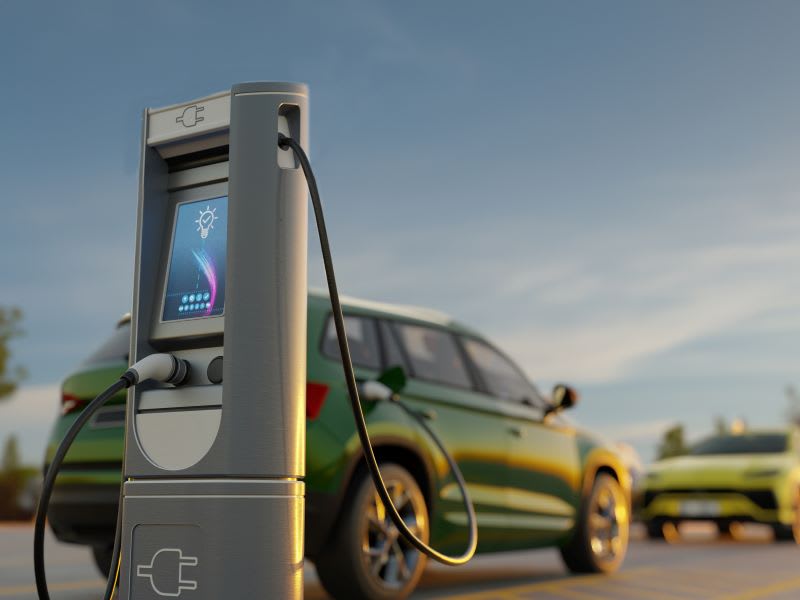
The number of EVs hitting the used car market is projected to spike in 2026, according to the
2024 J.D. Power E-Vision Intelligence Report. The used EV influx will arrive as U.S. consumers return approximately 250,000 EVs that come off lease in 2026.
With the large number of terminated leases, you may be able to score a used EV at a bargain price. For example, in 2025, a used Nissan Leaf trade-in value was around 43% less than its 2022 MSRP, according to consumer auto resource
Edmunds. The 2022 Hyundai IONIQ 5 had a trade-in value of $22,205 — just 44% of the original price.
Late-model used EVs are less likely than gas-powered vehicles to need repairs, because EVs don’t have as many moving parts as traditional cars. Even so, Edmunds recommends purchasing a certified pre-owned electric vehicle with an extended warranty for added peace of mind.
If you’re ready to go the distance in your used EV, just remember that older models won’t likely have the long ranges boasted by 2026 EVs.
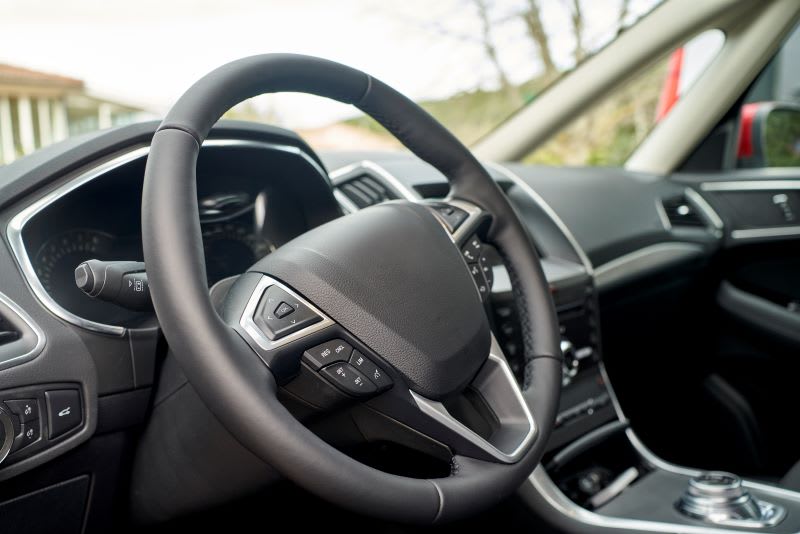
Advanced driver assistance systems (ADAS) are a standard feature of many new cars in 2026. ADAS automate certain driving tasks to help increase driver awareness. These technologies make driving safer by reducing distractions that could take your eyes off the road.
If you’re driving a late-model car, it likely already has ADAS features such as collision avoidance alerts, the ability to take control of the car to avoid crashing, emergency braking or lane departure alerts. Now 2026 models have additional ADAS features, including:
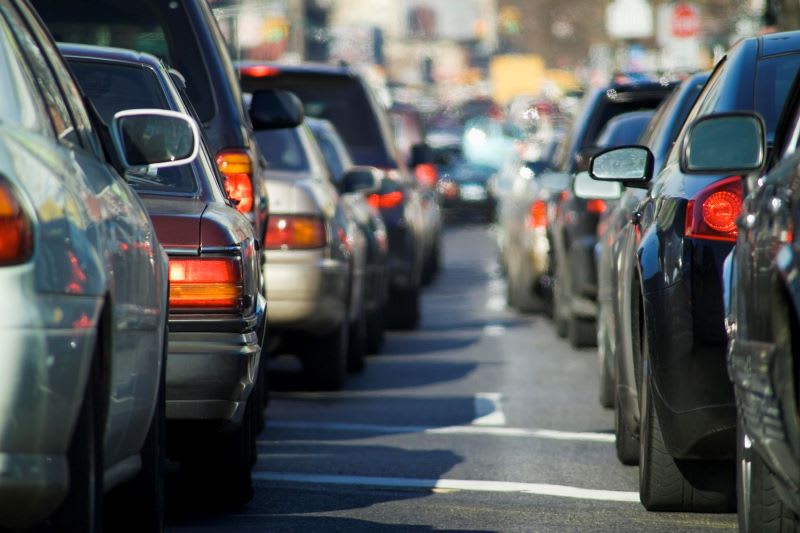
- Connected vehicle technology: “V2X” is an umbrella term for vehicle-to-vehicle (V2V) and vehicle-to-infrastructure (V2I). technologies. This technology allows your and other vehicles equipped with V2V or V2I safety systems to communicate via a wireless network. With V2V, your vehicle sends information to other cars. For example, if a car far ahead of you with V2V brakes while you’re in a long line of vehicles, that information transmits to other cars with V2Vto help prevent a collision. Another V2V feature assists at intersections and warns of crash dangers when turning left. With V2I, urban and highway systems can communicate a vehicle edging out of a lane or impending stoplight changes.
- Front-crash prevention: This ADAS technology uses cameras, sensors, radar, and light-detection and ranging (lidar) to help stop rear-end collisions due to being too close. The system may also ready the brakes for maximum effect.
- Automatic rear braking: These ADAS systems warn you and apply the brake while backing up if you’re about to scrape against a metal pole or another object. Some vehicles also have an alert and automatic braking for approaching cross traffic behind your vehicle.
- Adaptive cruise control: This ADAS feature changes your car speed based on the cars in front of and around you to adapt to changing traffic conditions.
- Traffic signal recognition: A car-mounted camera detects and recognizes traffic signals and signs, including signs for construction ahead, so you can process the information quickly and adapt your speed accordingly.
- Steering assistance: Some ADAS technologies include a feature that steers your car back into the lane when you veer outside the lines.
- Conversational voice-activated AI: This isn’t a common feature yet, but certain Volkswagen models come with subscription-based Premium Speech. This AI voice-activated technology allows more natural, conversational requests. For example, instead of asking the AI assistant to set the temperature, you can just say, “I’m cold,” and the system kicks on the heat. Say “I’m hungry” and the AI tech suggests nearby restaurants. Conversational AI also suggests destination sightseeing options and creates entertaining stories to listen to while driving. You can check out a video demonstration of Volkswagen’s voice-activated AI to see this technology in action.