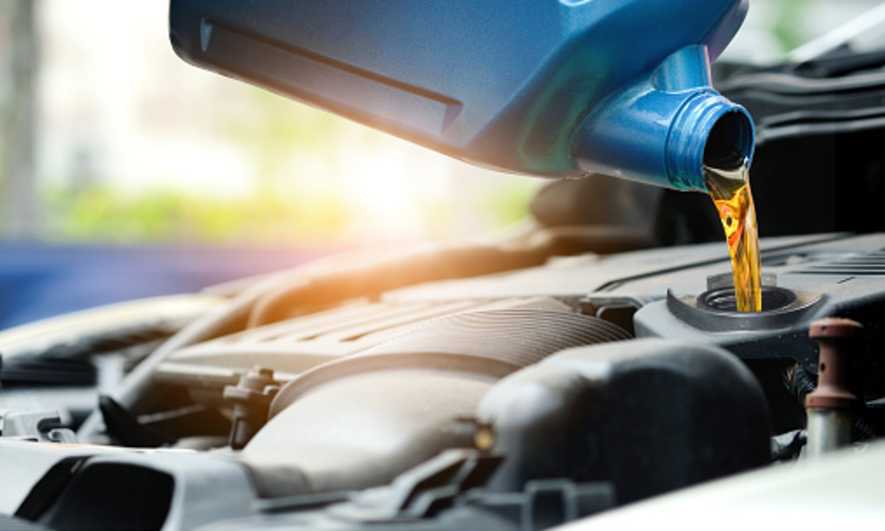
These new car engine break-in steps help your vehicle’s components work together smoothly while avoiding habits that can cause future problems.
1. Watch Your RPM Levels
Your new car needs a gentle introduction to high performance. Most manufacturers recommend keeping RPMs under 3,000 during the break-in period, though this varies by type. Gasoline models typically should stay below 3,000 RPM, while diesel versions often need to stay closer to 2,500 RPM. Pushing high RPMs too early can prevent engine components from settling correctly.
2. Stay On Top of Your First Oil Change
Some manufacturers recommend an earlier first oil change to remove metal particles from the break-in process, while others say their factory oil is designed to last the full duration. Your owner’s manual will specify what’s right for your particular vehicle. Either way, monitoring your engine oil level during those first 1,000 miles is a smart practice.
3. Vary Your Driving Speeds
Your engine benefits from experiencing different loads and RPMs rather than staying at one speed. Gradually increase and decrease your pace throughout each drive. Mixed driving conditions work better than highway cruising at constant speeds during those first few hundred miles.
4. Limit Short Trips When Breaking a Car In
Short trips don’t allow your engine to reach proper operating temperature, which interferes with lubrication and can cause premature wear during the break-in period. Plan drives of at least 15-20 minutes to give your engine oil time to warm up and circulate properly.
5. Avoid Cruise Control
Cruise control maintains constant RPMs, which prevents proper bedding of the piston rings and cylinders. Skip cruise control for the first 1,000 miles to create natural variation in your driving that helps the components seat as intended.
6. Keep Loads Light
Avoid towing trailers or carrying heavy loads during the first 500 miles. Extra weight forces your engine to work harder than it should while everything is still new. Save the camping trip or furniture haul for after your car has had time to adjust.
These guidelines form the core of how to break in a new car effectively and safely.