A Step-by-Step Guide to Storing Your Car
Auto Maintenance

A Step-by-Step Guide to Winter Car Storage

7 min read
Mistakes when storing your car can lead to costly repairs. Take these simple steps to store your car properly.
Get an Auto Quote
Enjoy exclusive benefits with AARP Auto Insurance from The Hartford.

Key Takeaways

  • Proper car storage can help prevent costly damage, including battery failure, tire flat spots, rust, fluid issues and pest infestations.
  • Keep insurance coverage in place while your vehicle is stored to help protect it from unexpected damage and avoid potential coverage gaps.
  • Prepare your vehicle before storage by cleaning it thoroughly, changing necessary fluids, filling the gas tank and protecting the battery.
  • Store your car in a dry, covered location whenever possible, and use a properly fitted, breathable car cover for added protection.
  • Before driving again, inspect the vehicle carefully, check fluids, battery and tire pressure, and look for signs of pest activity to ensure it's road-ready. 
Whether you’re heading to a warmer climate for winter, own a convertible or classic car, or just aren’t driving right now, storing your car properly can prevent an array of problems. The right storage may even help you avoid paying hundreds of dollars on car repairs. For example, a storage mistake could lead to:
 
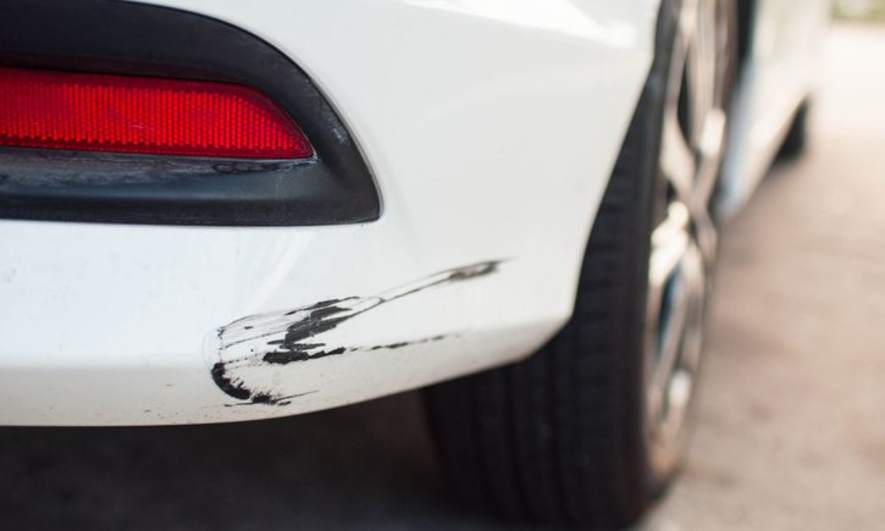
  • Blemishes or rust on your paint job
  • Mechanical problems
  • Rodents taking up residence in your tailpipe or under the hood
To prevent these maintenance problems, follow this step-by-step guide to storing your car correctly in winter or any season:
 

1. Make Sure Your Car Is Insured

It’s important to protect your car with standard car insurance or classic car insurance, even when it’s in storage. There are several reasons to avoid letting your policy lapse even when you’re not driving the car. First, a gap in coverage could cause your premium to increase once you’re ready to reinsure your car. Second, if something happens to your car while it’s in storage (e.g., a tree topples onto it), insurance can help cover the costs of repairs.

If you own the car outright, it’s a good idea to maintain your comprehensive coverage. If you are considering reducing coverage, make sure to ask your insurer which options are appropriate for your vehicle while it's in storage. If you have an auto loan, it's also a good idea to check with your lender's requirements.
 
Depending on your insurer, you can update your address and make changes to your coverage online.
 

2. Decide Where to Store Your Car

If possible, store your car in a dry location with a concrete floor, such as your garage or an indoor storage unit. Many self-storage facilities offer indoor and/or outdoor vehicle storage options. You can safely store your car in the elements for several months if you cover it properly, says Lauren Fix, aka “The Car Coach,” a nationally recognized automotive expert. However, if you need to store your car for years, you should store it inside.
 

3. Clean your Car Inside and Out 

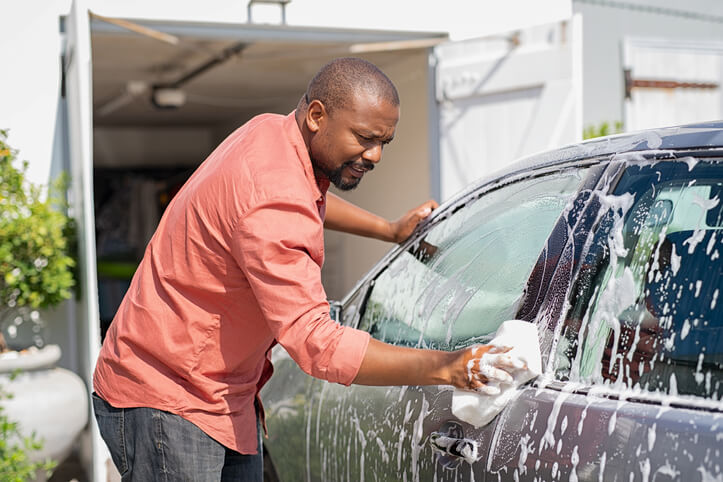
man washes carWash your car to remove bird droppings, tree sap, road salt and other substances that could damage the paint if left on for several months. Clean the fenders, wheels and tires to get rid of dirt and grease, and rinse the undercarriage if you’ve been driving on salted roads. Let the car dry completely before you cover it.

Don’t skip the interior. Vacuum the seats and floors and remove any food wrappers, crumbs or trash, which can attract pests. Finish by applying a coat of wax to protect the exterior while your car is stored. That way, in spring you’ll have a clean car that’s ready to go.
 

4. Swap Out Fluids

Leaving dirty, used oil in your car can cause engine damage. Therefore, if you plan to store your car for a month or more, have the oil changed. Refill your engine using oil that is specially formulated for storage. And if you haven’t changed your coolant for more than a year, drain and replace it with quality antifreeze.
 

5. Take Care of Your Tires 

Inflate your tires to the maximum recommended tire pressure, recommends Kevin Burke of SimpleTire.com, a website dedicated to finding tires for your car at competitive prices. “Tires can lose pressure over time when there are changes in temperature,” Burke explains. Loss of tire pressure can lead to “flat spots” on the bottom of the tires.
 
Sometimes, you can get rid of these spots by inflating your tires and driving your car, but that doesn’t always work. Flat spots can ruin your tires, requiring you to spend hundreds of dollars to replace them. To ensure your tires remain in good repair, you can remove them and use jack stands to hold your car off the ground.
 

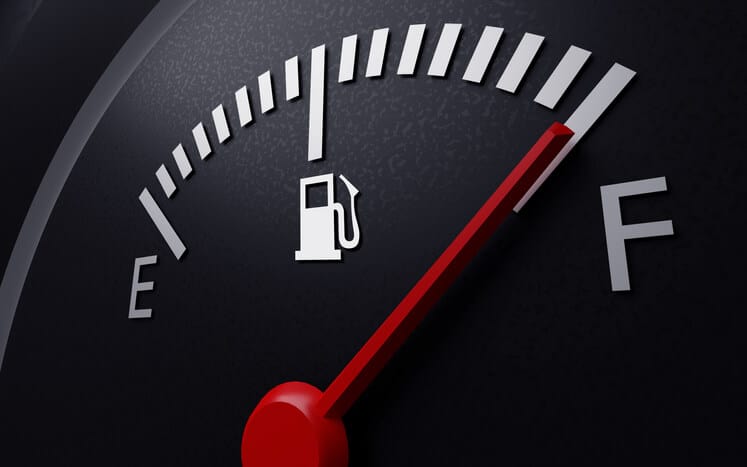
6. Fill Up the Tank

Hit the gas station and fill ‘er up before storing your car. Topping off the tank keeps water out and seals lubricated. Add a fuel stabilizer designed for cars in storage to your gas tank, Fix advises. This will extend the life of your gasoline and help prevent the formation of deposits, known as “varnishing,” that can plug up your fuel injectors and cost $300 to $400 to fix, she says. Another option is to drain your gas tank, but that’s not necessary if you’re only storing your car for the season.
Fuel gauge on full

7. Safeguard Your Battery

If your car isn’t driven periodically (say, by a grandchild), then consider purchasing a trickle charger (a.k.a. battery maintainer), Fix suggests. This inexpensive device helps your battery maintain power instead of gradually losing it over time. “If you let it sit more than six months, you’re more than likely going to have a dead battery,” she warns. Save yourself the hassle, and possibly the cost of towing, by shelling out $40 or so for this handy little device.
 

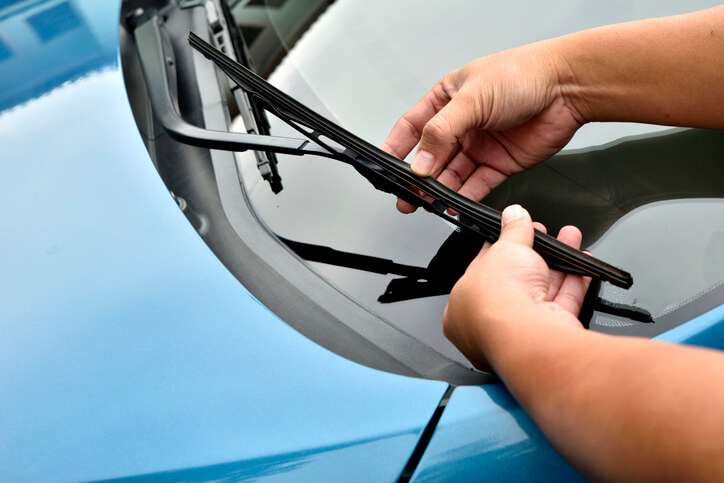
8. Remove Wiper Blades

Take the wiper blades off your car to keep them from sticking to the windshield or becoming misshapen from staying in the same position for too long. Rubber can harden and bond to glass over several months of cold, damp weather, and blades that stick may tear when you go to use them in spring.
 
Store the blades in a bag or box somewhere dry so they stay flexible. Spring is also a good time to check them for cracks or wear and replace them if needed. If you’d rather leave them on, lift the wiper arms away from the glass instead, and handle them carefully, since spring-loaded arms can snap back and crack the windshield.
A person removing wiper blades

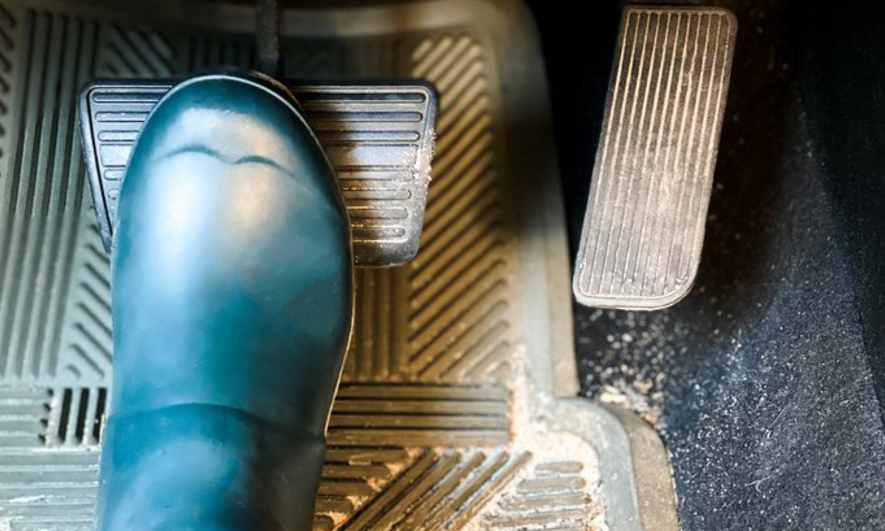
9. Release the Brake

To prevent the brake pads from sticking to the rotors, don’t engage the parking brake when storing your car. Over weeks or months, especially in cold, damp conditions, brake pads can bond to the rotors, and the brakes can seize or even freeze in place.
 
Instead, if necessary, use wheel chocks (also called tire stoppers) to keep the car in place. Park on level ground, place a chock snugly against the front and back of at least one tire, and leave an automatic transmission in park. Check your owner’s manual for the recommended setup for a manual transmission.
 
squirrel on a tree

10. Keep Critters Away

Put a rubber ball or rag in the tailpipe to prevent mice or insects from setting up shop there. Also, cover heater vents or other openings that could provide access to cozy nesting spaces. As a third precaution, place mothballs around the edges of your vehicle to drive away critters.
 

11. Get a Pad to Soak Up Leaks

Certain vehicles leak fluid while sitting, especially high performance cars or older cars, Fix says. Buy an absorbent mat designed to go underneath a car during storage to keep leaks from staining the driveway, garage or storage space floor.
 

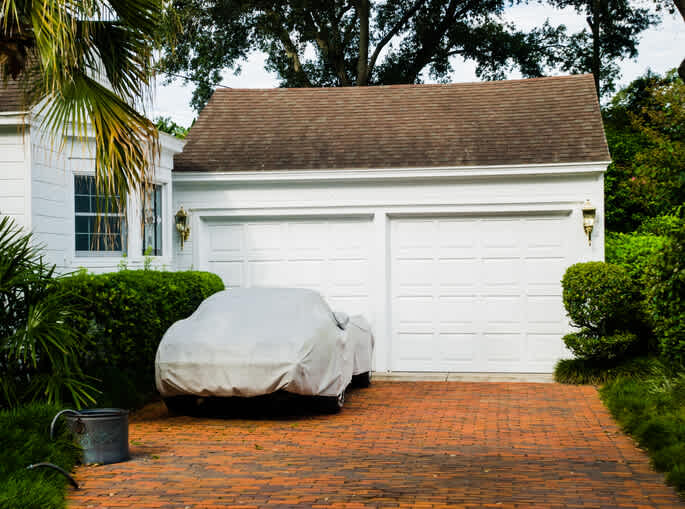
12. Cover Your Car

Whether your car is sitting in your driveway, your garage or a special storage facility, you should keep it covered while you’re away. Use a good quality car cover, Fix warns. If you’re storing your car outside, you’ll need a weatherproof car cover to protect it from rain, sleet and snow. If you’re storing your ride inside, use a soft cotton cover, she advises.

Choose a breathable cover that fits well, and avoid plastic tarps, which can trap moisture against the paint.
A car in a driveway under a cover

When It’s Time to Take Your Car Out of Storage

When spring arrives and it’s time to drive your car again, work through this list before you hit the road:
 
  • Reinstate your insurance. . Before driving, confirm that all required coverages @mdash; and any optional coverages you choose to carry @mdash; are active.
  • Remove the tailpipe plug. Take the ball or rag out of the tailpipe and remove any covers from vents or other openings.
  • Look for signs of pests. Check under the hood and around the vents for nests or chewed wires before you start the engine.
  • Put the wiper blades back on. Replace them if they look cracked or worn.
  • Reset your tire pressure. If you inflated the tires to the maximum for storage, let air out to the recommended pressure for everyday driving, and lower the car if it was on jack stands.
  • Check the battery and fluids. Disconnect the battery maintainer (or reconnect the battery) and make sure fluid levels look right.
  • Test the brakes. Start slowly and pump the brakes gently in a safe area to make sure they’re working properly.
  • Clean out the fuel system. Drive your car around until the gas tank is almost empty to clear the fuel stabilizer from the system, Fix says. Then add a fuel injection system cleaner to the nearly empty tank before filling it up.
Refer to your vehicle service manual or manufacturer's recommendations for more guidance.
 

Protect Your Car with The Hartford's Auto Insurance

Taking a few hours to prepare your car for winter car storage can help you avoid repairs and headaches when the weather warms up. But storage is only part of protecting your car. The right insurance helps protect it while it’s parked and once it’s back on the road.
 
If you’re an AARP member, The Hartford offers car insurance designed with you in mind, including classic car insurance. Get a quote from The Hartford today and make sure your car is covered, whatever the season.

Subscribe Today

We go the extra mile to deliver insights and brain teasers straight to your inbox. Start your free subscription from The Hartford today.
 

Related Articles

The content displayed is for information only and does not constitute an endorsement by, or represent the view of, The Hartford.