
Getting behind the wheel can be stressful enough with distracted drivers, darting deer and other hazards of the road. So when your foot hits the brakes, you don’t want to hear an unusual sound.
Let’s take a closer look &mdash or listen &mdash to your noisy brakes, and find out when to get professional help.
6 Different Brake Sounds and What They Mean
According to auto experts, these are the most common brake sounds and their interpretations:
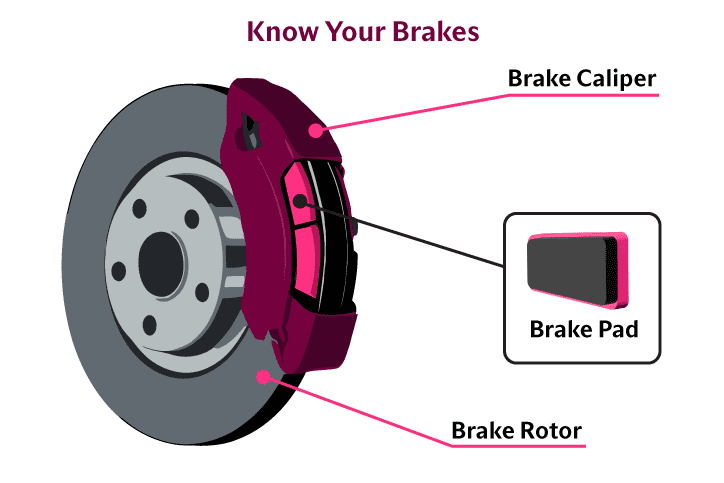
- Grinding or scraping: This is the sound of metal on metal. Your brake pads may be worn down all the way to the backing plate, causing them to rub against the rotor. This is one of the most critical brake issues; take action immediately when you hear scraping to prevent accidents as well as serious damage to your vehicle. Unnecessary friction and grinding may also be caused by a lack of lubrication.
- Squeaking or squealing: Low speeds and light pressure are all that’s needed to make your brakes squeak or squeal. It could be from moisture, debris, worn brake pads or overheating, which causes the pads or rotors to become glazed.
- Thumping or bumping: if you hear this noise when putting pressure on the pedal, or when going at low speeds, you may have a problem with your suspension system. It may also indicate an issue with how your suspension system is interacting with your brake system. Another possibility is loose brake components (pads, calipers or rotors).
- Growling or rumbling: Beware of these sounds, as they may be alerting you to damage or contamination of your rotors. They may be warped from overheating or excessive wear, or coated in oil, grease or another material that’s coming into contact with the brake pads.
- Whistling: Brake pad issues could be the reason your car whistles when you’re trying to slow down or stop. Have your mechanic check the alignment of the pads to determine if the pad materials are coming into contact with the rotor (or not a good fit for your vehicle’s needs).
- Whooshing or hissing: Air in the brake lines, a leak in the brake booster or worn out brake pads (which cause air to get in between components) may lead to a hissing or whooshing sound when braking.
If the sound you’re hearing doesn’t fit any of the above categories, that doesn’t mean you’re in the clear. The pros say a seized brake caliper and bad wheel bearings may be at fault.
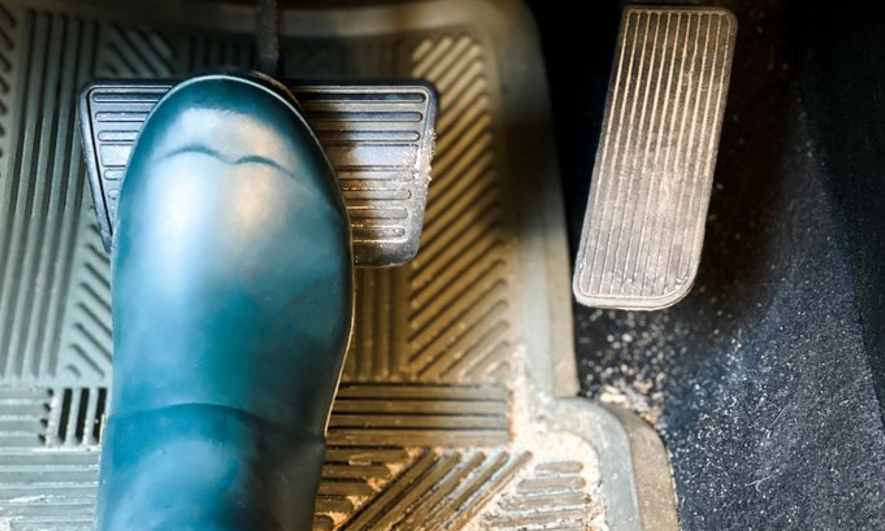
Typically, your brakes only talk when they’re engaged, but if you hear a sound when you’re not pressing the pedal, experts suggest you get that checked out too.