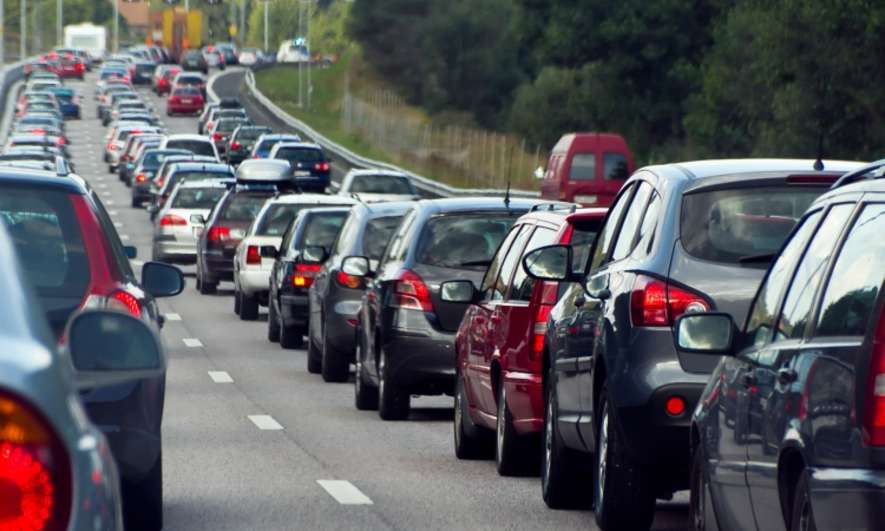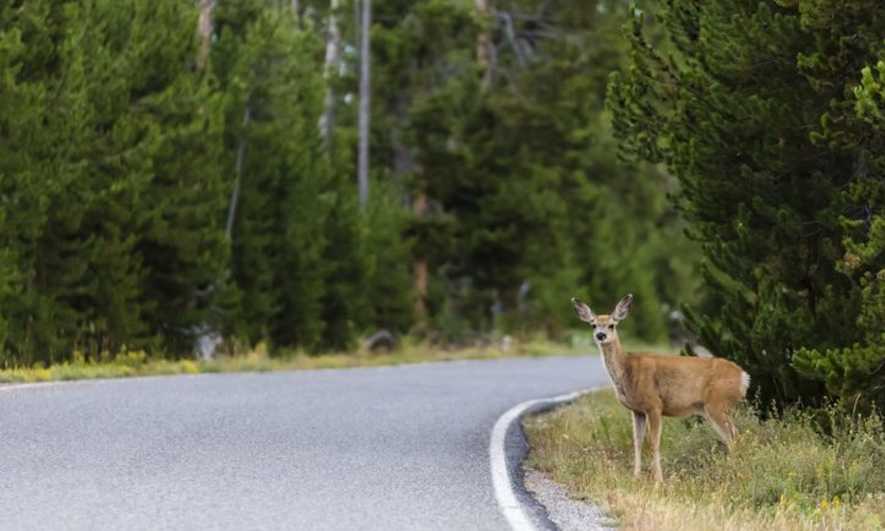

Even the most rugged vehicles are no match for a darting deer. Stats from a 2022 Cell Biology study suggest that roughly 2.1 million deer-vehicle collisions happen each year, costing more than $10 billion dollars in economic losses and accounting for 59,000 human injuries and deaths.
But these elegant creatures—the white-tailed deer being the most common species across the U.S.—aren’t looking for a fight. Whether you’re traversing a major highway or a rural route, it’s important to watch out for wildlife and learn to share the road. With the deer population surging in states beyond those generally known for its active wildlife scene, the intersection of humans, automobiles, and animals is growing too.
Read on to learn about where and when you might encounter deer on the road, plus we’ll share tips for coexisting without collisions.
Human, Meet Deer: How to Prepare for Potential Encounters
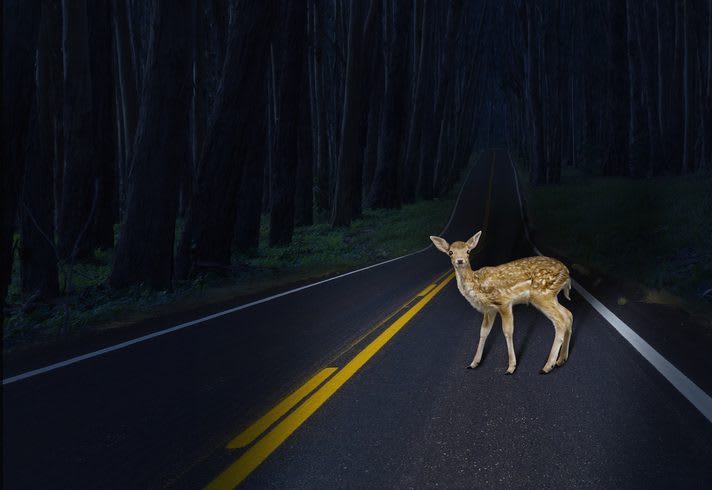
For anyone who’s had an unexpected rendezvous with a deer while driving, both humans and deer generally have that same “in the headlights” look. The meaning of the expression “like a deer in headlights” actually sheds light on the reason deer seem to jump in front of us at the very worst times.
It’s all about vision. Deer are crepuscular, which means they operate best and are most active in low light and darkness. It also means our pesky blinding headlights hurt their sensitive eyes, which have a high proportion of rods and fully dilated pupils to move around under cover of night. If you’ve ever had your pupils dilated for a vision test, you know how hard it is to see anything without tremendous discomfort.
We are quick to say “Hello, deer?! Don’t you see me?!” but the truth is, they don’t! It takes a few minutes for the animals to register the jarring brightness of our beams. Hence the “freeze” before they decide to either flee or run full force into your car. And if their family members are involved—think tiny fawns and mates—that risk assessment requires even more consideration before action.