1. Car Accidents and Vehicle Breakdowns
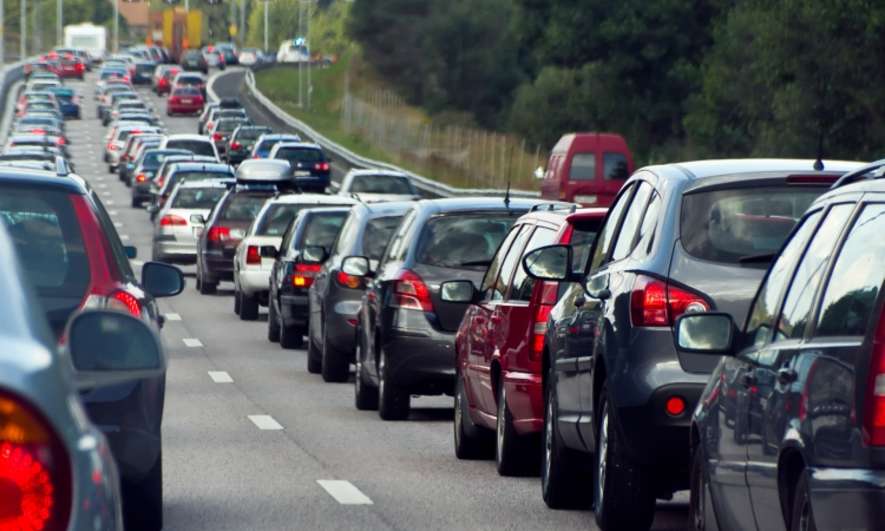
Collisions and mechanical failures can block multiple lanes, especially when emergency vehicles need space to respond. The resulting traffic incident delay can ripple far beyond the accident site. Even minor fender benders can cause delays when other drivers slow down to look. In such a situation, delays often persist long after the road is cleared.
2. Road Construction and Debris
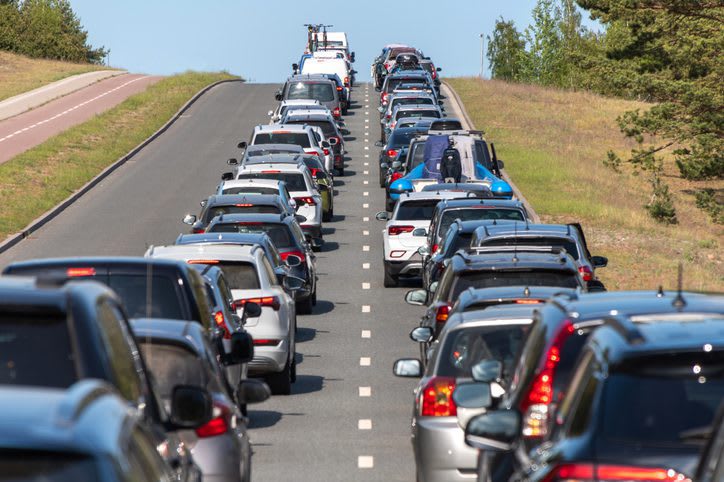
Lane closures, resurfacing projects and fallen debris can all create an instant choke point, forcing drivers into stop-and-go conditions. In some instances, the Federal Highway Administration may develop plans to temporarily add more lanes during planned roadwork. However, in many cases, dense traffic and delays accompany construction projects for their duration.
3. Inclement weather
Rain, snow and icy conditions affect vehicle speeds and make roadways more dangerous. Slippery road surfaces reduce traction and increase stopping distances, often causing more accidents and worsening congestion. If just one driver overcorrects or brakes suddenly, it can trigger chain-reaction backups for miles.
4. Rush Hour
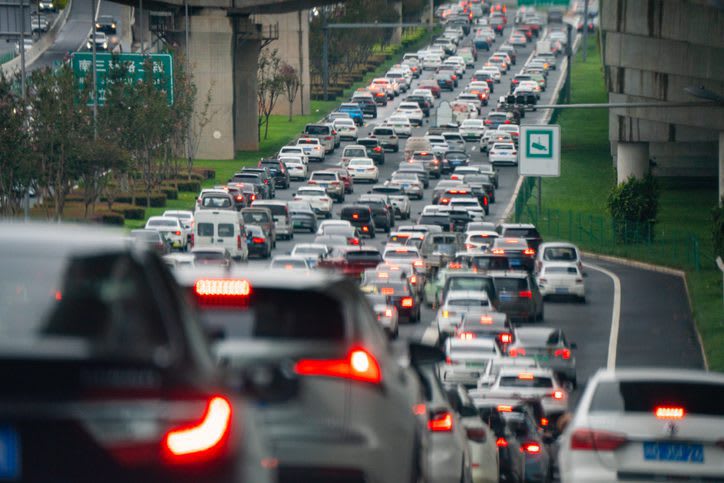
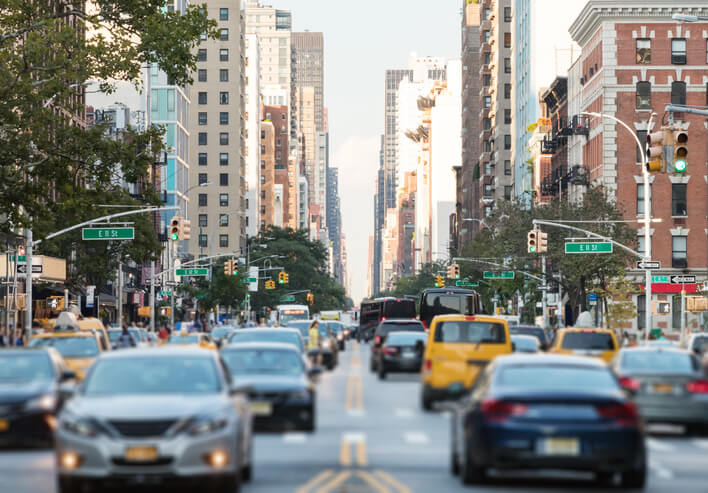
The traffic wave during peak hours regularly exceeds road capacity, resulting in chronic traffic congestion. In most major cities, too many cars funnel into highways and toll booths at the same time, creating long delays. Since this surge only lasts a few hours each day, expanding roads isn’t always practical, so commuters simply have to plan around the daily slowdowns.