
Many drivers assume their skills behind the wheel transfer seamlessly from city streets to country roads. While the fundamentals of safe driving remain the same, urban and rural roads present very different challenges.
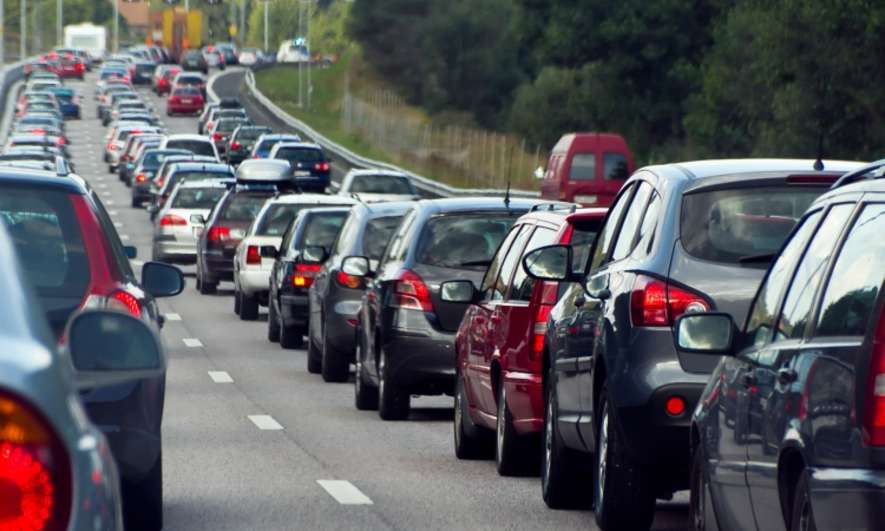
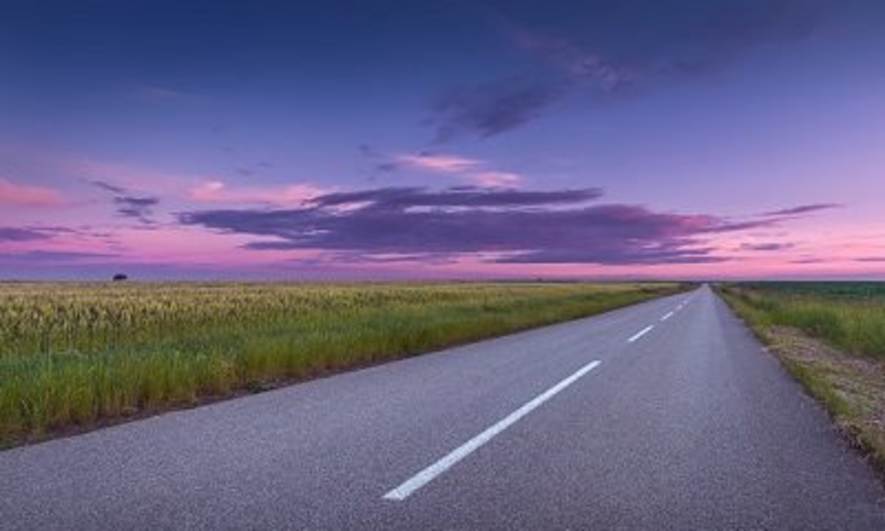
City roads are typically well-maintained but crowded with vehicles, cyclists, pedestrians and construction zones. Country roads may be less congested, but they often feature higher speed limits, limited lighting, wildlife crossings and fewer opportunities to get help in an emergency.
Understanding these differences can help you drive more confidently and reduce your risk of a crash, whether you're navigating downtown traffic, taking a scenic fall drive or exploring unfamiliar roads.
Country vs. City Driving Statistics
Both rural and urban roads carry unique risks.
According to the National Highway Traffic Safety Administration:
- Although about 20% of people in the U.S. live in rural areas, 41% of fatal traffic crashes occur there.
- Sixteen percent of rural crash deaths occur at intersections, compared with 32% in urban areas.
- Speeding contributes to fatal crashes in both settings but is more likely to be a factor on rural roads with lower speed limits.
- Since the early 2000s, crash deaths in urban areas have increased while crash deaths in rural areas have declined.
- The takeaway? No matter where you're driving, staying alert and adapting to your surroundings is essential.
The takeaway? No matter where you're driving, staying alert and adapting to your surroundings is essential.
Distracted Driving Can Be More Dangerous on Unfamiliar Roads
Technology has made navigation easier, but it has also created new distractions.
Voice assistants, navigation apps, music streaming services, text notifications and hands-free features can all pull your attention away from the road. When you're driving in an unfamiliar city or on a rural road you've never traveled before, those distractions can become even more dangerous.
Before you begin your trip:
- Program your GPS before putting the vehicle in drive.
- Silence unnecessary notifications.
- Avoid adjusting music, navigation or vehicle settings while moving.
- Keep both hands on the wheel and your eyes on the road.
Even a few seconds of distraction can be enough to miss a stopped vehicle, a pedestrian, wildlife or a changing traffic signal.
Planning a Fall Scenic Drive
Autumn is one of the most popular times of year to hit the road. Scenic drives through areas known for colorful fall foliage can be a memorable way to enjoy the season. What You Need to Know About Leaf Peeping highlights how many travelers take day trips or longer road trips to enjoy fall colors.
However, fall driving can present unique challenges:
- Increased traffic near state parks, scenic overlooks and popular foliage destinations.
- Drivers braking unexpectedly to take photos or enjoy the view.
- Unfamiliar rural roads and winding routes.
- Reduced visibility during earlier sunsets.
- Wet leaves that can reduce traction.
Before heading out, plan your route, check local weather conditions and allow extra travel time. If you're enjoying the scenery, pull into designated overlooks or parking areas rather than slowing unexpectedly or taking your eyes off the road.
A little planning can help make your fall road trip both safe and enjoyable.
7 Tips for Driving on Country Roads
Country roads often feel less stressful than urban traffic, but they bring their own hazards. High speeds, limited lighting, wildlife and delayed emergency response times can all increase risk.