
A country road in a purple sunset
Auto Driving

Country vs. City Driving: Safety Tips for Every Road

6 min read
Learn the key differences between country and city driving, including common hazards, safety tips for each road type and how to plan a safer fall scenic drive on unfamiliar roads.
Get an Auto Quote
Enjoy exclusive benefits with AARP Auto Insurance from The Hartford.
Many drivers assume their skills behind the wheel transfer seamlessly from city streets to country roads. While the fundamentals of safe driving remain the same, urban and rural roads present very different challenges.

City roads are typically well-maintained but crowded with vehicles, cyclists, pedestrians and construction zones. Country roads may be less congested, but they often feature higher speed limits, limited lighting, wildlife crossings and fewer opportunities to get help in an emergency. 
 
Understanding these differences can help you drive more confidently and reduce your risk of a crash, whether you're navigating downtown traffic, taking a scenic fall drive or exploring unfamiliar roads.
 

Country vs. City Driving Statistics

Both rural and urban roads carry unique risks.
 
 
  • Although about 20% of people in the U.S. live in rural areas, 41% of fatal traffic crashes occur there.
  • Sixteen percent of rural crash deaths occur at intersections, compared with 32% in urban areas.
  • Speeding contributes to fatal crashes in both settings but is more likely to be a factor on rural roads with lower speed limits.
  • Since the early 2000s, crash deaths in urban areas have increased while crash deaths in rural areas have declined.
  • The takeaway? No matter where you're driving, staying alert and adapting to your surroundings is essential.
The takeaway? No matter where you're driving, staying alert and adapting to your surroundings is essential.
 

Distracted Driving Can Be More Dangerous on Unfamiliar Roads

Technology has made navigation easier, but it has also created new distractions.

Voice assistants, navigation apps, music streaming services, text notifications and hands-free features can all pull your attention away from the road. When you're driving in an unfamiliar city or on a rural road you've never traveled before, those distractions can become even more dangerous.

Before you begin your trip:
 
  • Program your GPS before putting the vehicle in drive.
  • Silence unnecessary notifications.
  • Avoid adjusting music, navigation or vehicle settings while moving.
  • Keep both hands on the wheel and your eyes on the road.
Even a few seconds of distraction can be enough to miss a stopped vehicle, a pedestrian, wildlife or a changing traffic signal.
 

Planning a Fall Scenic Drive

Autumn is one of the most popular times of year to hit the road. Scenic drives through areas known for colorful fall foliage can be a memorable way to enjoy the season. What You Need to Know About Leaf Peeping highlights how many travelers take day trips or longer road trips to enjoy fall colors.

However, fall driving can present unique challenges:
 
  • Increased traffic near state parks, scenic overlooks and popular foliage destinations.
  • Drivers braking unexpectedly to take photos or enjoy the view.
  • Unfamiliar rural roads and winding routes.
  • Reduced visibility during earlier sunsets.
  • Wet leaves that can reduce traction.
Before heading out, plan your route, check local weather conditions and allow extra travel time. If you're enjoying the scenery, pull into designated overlooks or parking areas rather than slowing unexpectedly or taking your eyes off the road.

A little planning can help make your fall road trip both safe and enjoyable.
 

7 Tips for Driving on Country Roads

Country roads often feel less stressful than urban traffic, but they bring their own hazards. High speeds, limited lighting, wildlife and delayed emergency response times can all increase risk.

 
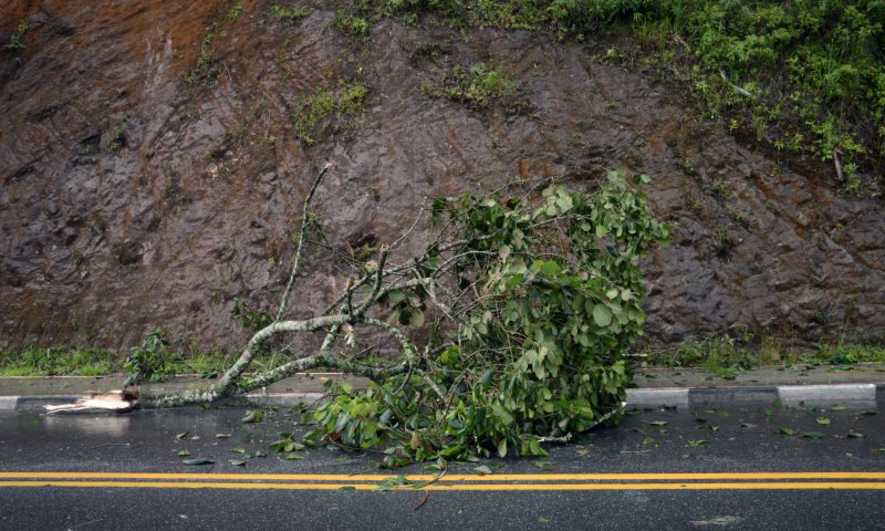
Car Driving On Country Road

1. Stay Focused

Long stretches of road and light traffic can cause drivers to become complacent.

Keep your eyes scanning ahead, avoid distractions and remain alert for changing road conditions, wildlife and stopped vehicles.
 

2. Scan the Entire Roadway

Country driving requires awareness beyond what's directly in front of you.
 
Watch for:
 
  • Wildlife crossings
  • Farm equipment
  • Livestock
  • Cyclists
  • Vehicles entering from side roads or fields
Continually scanning the road and roadside can help you identify hazards before they become emergencies.
 

3. Watch for Hidden Driveways

Trees, shrubs and other vegetation can obscure driveways and entrances.

Slow down in residential rural areas and be prepared for vehicles entering the roadway unexpectedly.
 

4. Expect Wildlife Activity

Many drivers assume deer and other animals will move away from approaching vehicles. Unfortunately, wildlife behavior is unpredictable.

Use extra caution in areas marked with animal crossing signs and reduce speed during dawn and dusk, when wildlife activity is often highest.
 

5. Keep an Emergency Kit in Your Vehicle

A roadside emergency can be more challenging in remote locations where cell service may be limited and help may take longer to arrive.
 
Consider keeping:
 
  • First-aid supplies
  • Flashlight
  • Jumper cables
  • Blankets
  • Water
  • Nonperishable snacks
  • Hand warmers
  • Portable phone charger
  • Ice scraper or snow brush, if applicable

6. Be Prepared for Rough Road Conditions

Country roads may have potholes, loose gravel, uneven pavement or unpaved sections.

Reduce speed when necessary and leave additional following distance between vehicles.
 

7. Watch for Sudden Stops

Scenic attractions, hiking trails, farm stands and roadside businesses often attract drivers who may stop unexpectedly.

Stay alert and be prepared for sudden braking.
 

7 Tips for Driving on City Roads

Urban roads generally provide faster access to emergency services and better road maintenance, but they also require drivers to navigate more vehicles, pedestrians and distractions.
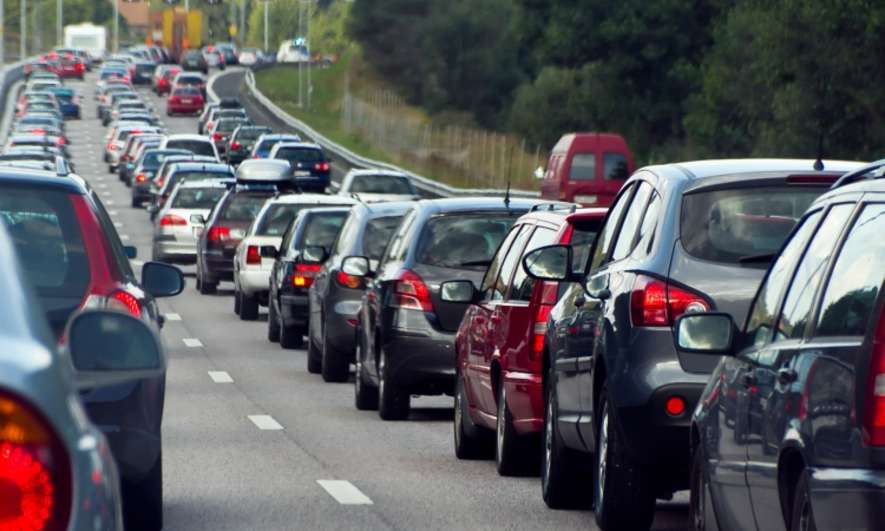
Cars Driving on Highway

1. Understand Your Vehicle's Safety Features

Before driving in a busy city, familiarize yourself with features such as:
 
  • Blind spot monitoring
  • Adaptive cruise control
  • Automatic emergency braking
  • Rearview cameras
  • Parking assistance systems
Understanding how these technologies work can help improve safety, particularly if you're driving a rental vehicle or unfamiliar car.
 

2. Have a Backup Navigation Plan

GPS technology is highly reliable, but tall buildings, tunnels and signal interference can occasionally cause problems.

Download maps ahead of time or keep a backup route available in case navigation becomes unavailable.
 

3. Use Extra Caution at Intersections

Intersections are among the most common locations for crashes.

Approach intersections carefully, maintain a reasonable speed and make sure other drivers see you before proceeding.
 

4. Let Other Drivers Merge

Aggressive driving rarely saves meaningful time.

Allowing vehicles to merge can improve traffic flow and reduce the risk of collisions.
 

5. Stay Alert in Parking Lots and Rest Stops

Parking lots may seem low-risk, but they often contain pedestrians, shopping carts, bicycles and distracted drivers.

Park in well-lit areas, stay aware of your surroundings and keep valuables out of sight.
 

6. Choose the Right Vehicle for the Environment

If you're renting a vehicle or planning a city trip, consider whether a smaller vehicle may be easier to maneuver and park in dense urban areas.
 

7. Stay in Your Lane 

Frequent lane changes increase crash risk and often provide little time savings.

Maintain a steady speed, stay in your lane whenever possible and focus on anticipating traffic conditions ahead.
 

Driving Safely Wherever You Go

Whether you're navigating city traffic, driving down a rural back road or taking a scenic fall getaway, the most important safety tool is your attention.

Every road environment presents unique challenges. By understanding the differences between country and city driving, minimizing distractions and preparing for changing conditions, you can help keep yourself, your passengers and others on the road safer.

If you're planning to spend more time on unfamiliar roads this season, remember that preparation, awareness and patience can go a long way toward making every trip a safer one.

Subscribe Today

We go the extra mile to deliver insights and brain teasers straight to your inbox. Start your free subscription from The Hartford today.
 

Related Articles

The content displayed is for information only and does not constitute an endorsement by, or represent the view of, The Hartford.