
Whether you’re heading to a warmer climate for winter, own a convertible or classic car, or just aren’t driving right now, storing your car properly can prevent an array of problems. The right storage may even help you avoid paying hundreds of dollars on car repairs. For example, a storage mistake could lead to:
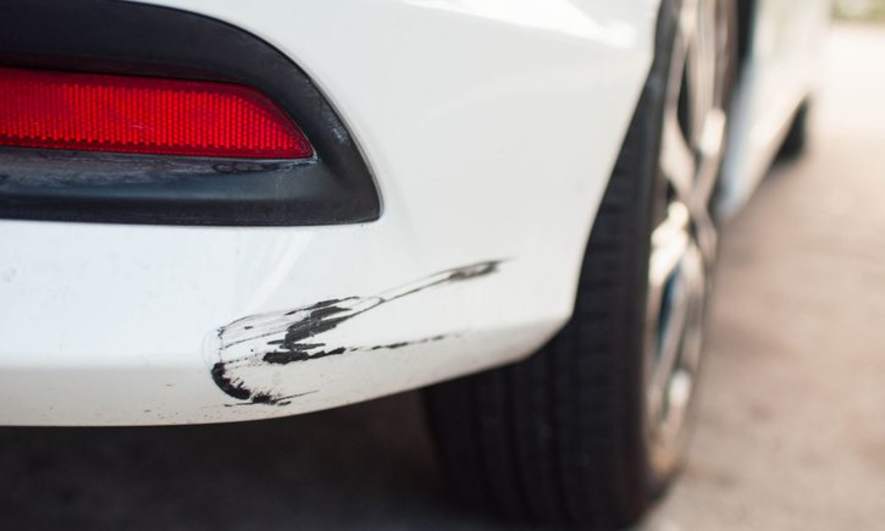
- Blemishes or rust on your paint job
- Mechanical problems
- Rodents taking up residence in your tailpipe or under the hood
To prevent these problems, follow this step-by-step guide to storing your car correctly in winter or any season:
1. Make Sure Your Car Is Insured
It’s important to protect your car with standard car insurance or classic car insurance, even when it’s in storage. There are several reasons to avoid letting your policy lapse even when you’re not driving the car. First, a gap in coverage could cause your premium to increase once you’re ready to reinsure your car. Second, if something happens to your car while it’s in storage (e.g., a tree topples onto it), insurance can help cover the costs of repairs.
If you own the car outright, it’s a good idea to maintain your comprehensive coverage. As long as you don’t plan to drive your car, or allow others to drive it, you can drop your collision coverage. Note that if you have an auto loan, your lender might require you to carry both comprehensive and collision insurance at all times.
Depending on your insurer, you can update your address and make changes to your coverage online.
2. Decide Where to Store Your Car
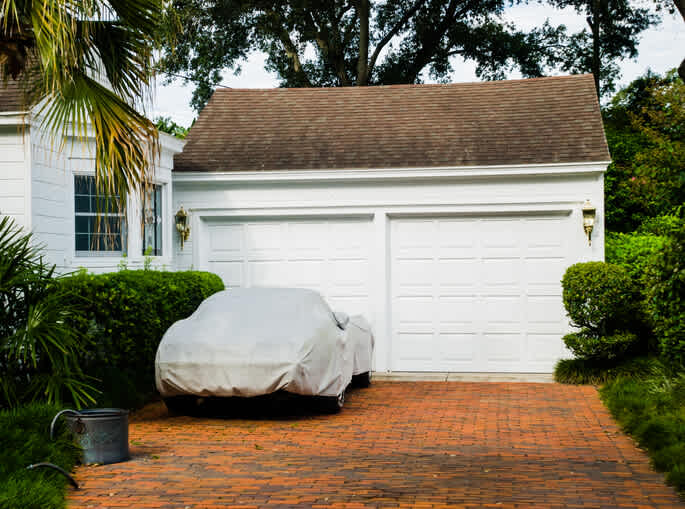
If possible, store your car in a dry location with a concrete floor, such as your garage or an indoor storage unit. Many self-storage facilities offer indoor and/or outdoor vehicle storage options. You can safely store your car in the elements for several months if you cover it properly, says Lauren Fix, aka “The Car Coach,” a nationally recognized automotive expert. However, if you need to store your car for years, you should store it inside.
3. Swap Out Fluids
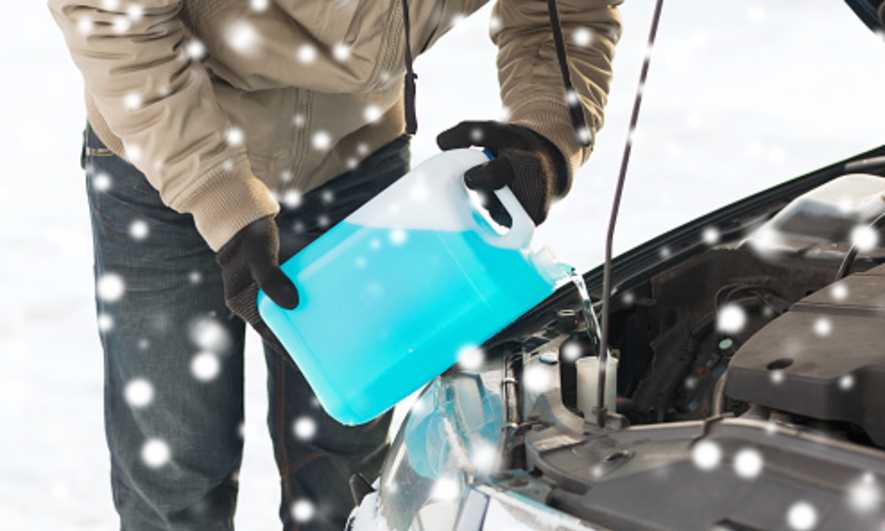
Leaving dirty, used oil in your car can cause engine damage. Therefore, if you plan to store your car for a month or more, have the oil changed. Refill your engine using oil that is specially formulated for storage. And if you haven’t changed your coolant for more than a year, drain and replace it with quality antifreeze.
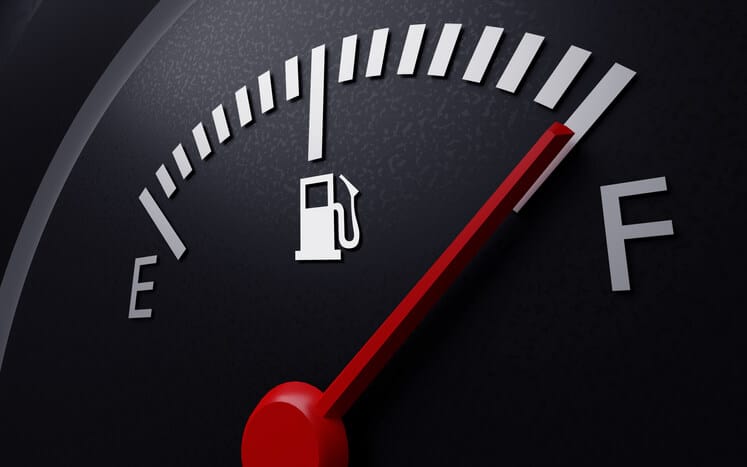
4. Fill Up the Tank
Hit the gas station and fill ‘er up before storing your car. Topping off the tank keeps water out and seals lubricated. Add a fuel stabilizer designed for cars in storage to your gas tank, Fix advises. This will extend the life of your gasoline and help prevent the formation of deposits, known as “varnishing,” that can plug up your fuel injectors and cost $300 to $400 to fix, she says. Another option is to drain your gas tank, but that’s not necessary if you’re only storing your car for the season.