
When you think of dangerous driving weather, the first that probably comes to mind is snow. But winter weather shouldn’t be your only concern. Summer weather — even driving in the sun — can seriously challenge drivers with a variety of wild weather conditions that each require their own safety tactics.
Here’s what you need to know about the dangers, dos, and don’ts of summer driving.
Rain
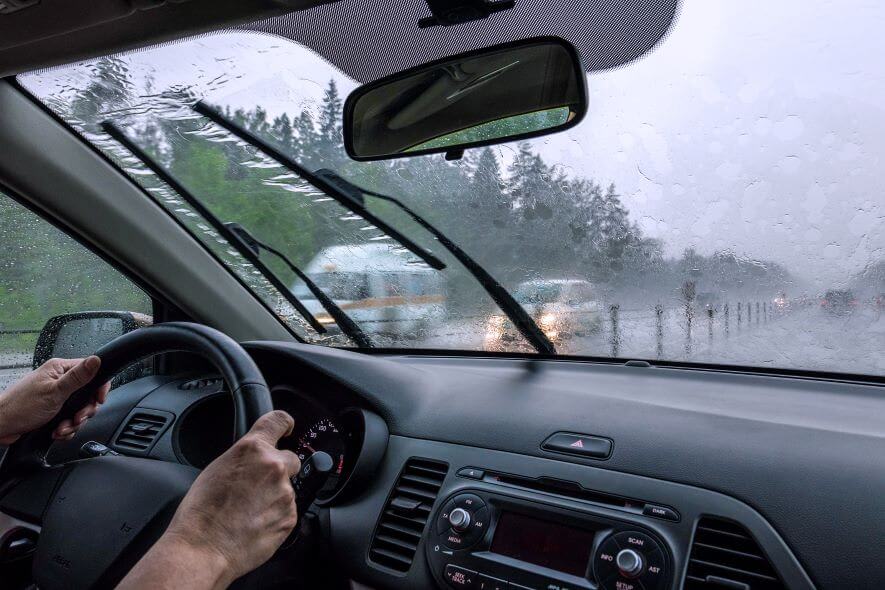
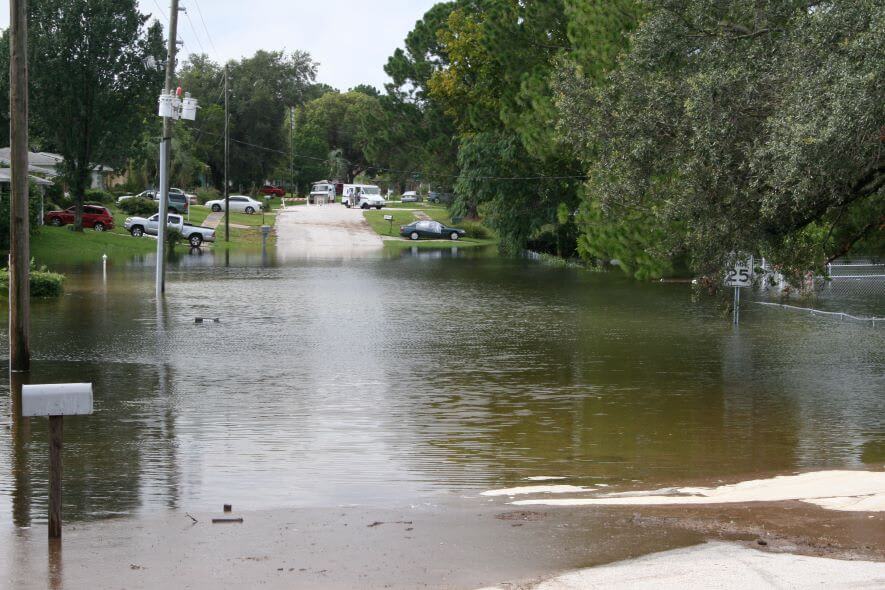
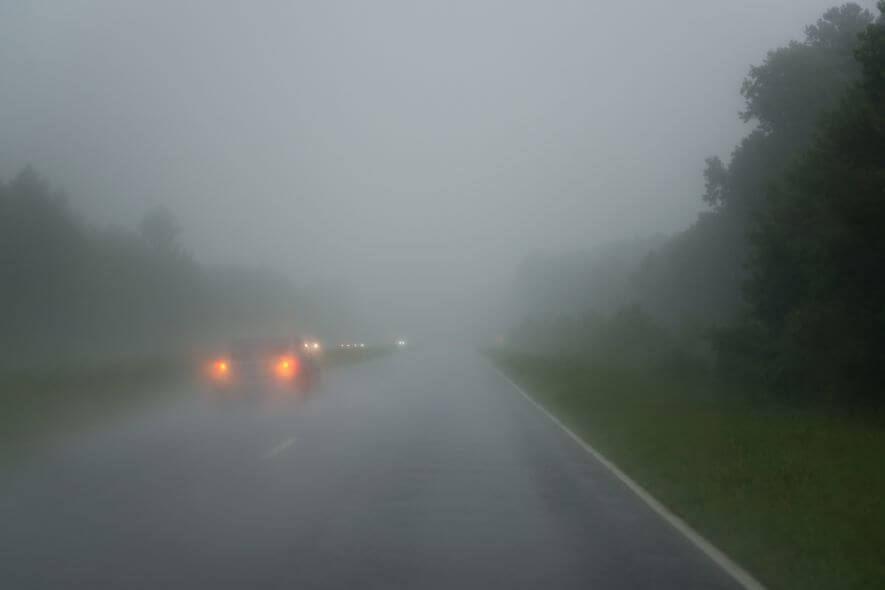
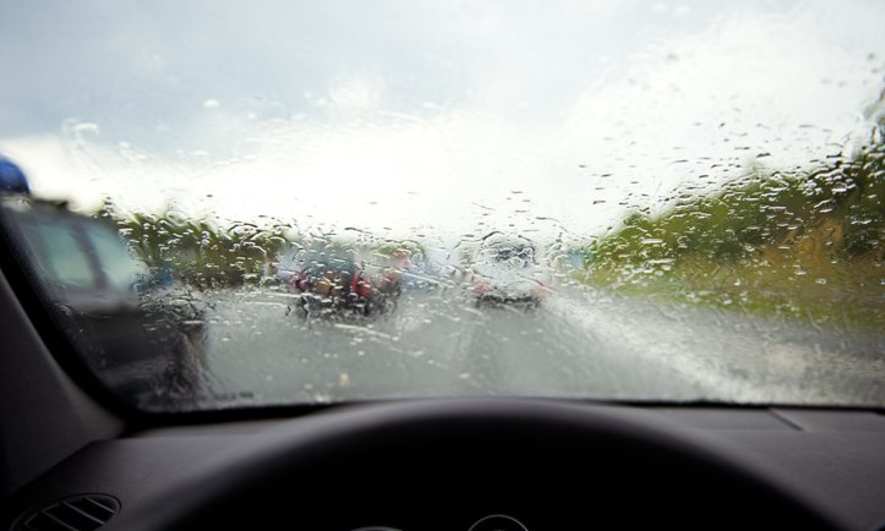
Although it doesn’t stick to the road like snow, rain can be quite hazardous to drive in. According to AAA, wet pavement “contributes to nearly 1.2 million traffic crashes each year.” Heavy rain can compromise visibility, making it harder for you to notice other drivers and for other drivers to notice you. Therefore, when driving in the rain, you should turn on your lights and slow down.
Going slowly, as well as braking and turning carefully, may help you avoid hydroplaning and maintain control of the car. Hydroplaning occurs when the water on the road isn’t pushed aside by the car’s tires, but rather remains under them, preventing the car from making sufficient contact with the road. And leave plenty of additional space between your vehicle and the others on the road, just in case you or someone else loses control of the car.
If you’re caught in a sudden torrential downpour and you can’t see well enough to drive, pull over as soon as it is possible to do so safely. And don’t rely on cruise control, which is designed for good weather conditions. When it’s raining, you need to be fully alert and in control of your vehicle.