
Home fires can be a catastrophic event for any household. A lifetime of memories can be lost before your eyes in an instant. Or worse: 74% of all fire-related deaths occur in the home. Americans age 65 or older face even higher risk. Despite only making up 15% of the population, they account for 35% of all fire-related deaths.
The good news: a little advance planning can greatly reduce your fire risk. Here are some easy safety tips to have a fire-safe home.
1. Make an Escape Plan (and Practice It)
Schools and office buildings hold regular fire drills for a key reason: They work. Why wouldn’t you put in at least as much effort where you and your family sleep? Plot out both main and backup escape routes that take into account the physical abilities of every family member. Then get everyone in your household to practice to make sure the routes work as planned. Play a loud alarm sound on your phone to prepare everyone for the type of trigger they would hear in a real emergency.
2. Create Fire-Safe Spaces
Most fires, whether caused by cooking, heating equipment, smoking or other sources, are a result of a flame or spark coming in contact with nearby flammable materials. At each area of your home where there is potential for fire danger — stove, fireplace, furnace, space heaters — take the time to clear a three-foot radius of any materials that could catch fire, especially paper, wood or fabric.
3. Don’t Skip Out on Prep Time
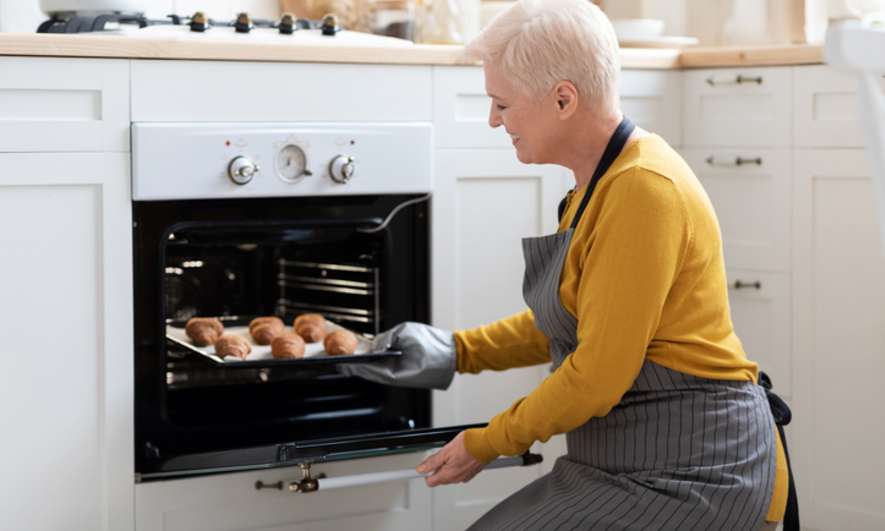
Many of us are in a hurry, especially when cooking, but with many house fires starting in the kitchen, rushing to get a meal on the table can prove to be a real fire danger. Take the time to concentrate on the task at hand and avoid distractions. Consider your recipe and prepare all ingredients and supplies before you start cooking. Make sure your phone is already nearby, so there’s no reason for you to leave the room while cooking. If you do have to step away, be sure to turn off the stove first. Don’t cook while overtired or when under the influence of alcohol or medications that can slow reflexes or make you drowsy.

4. Get Alarmed
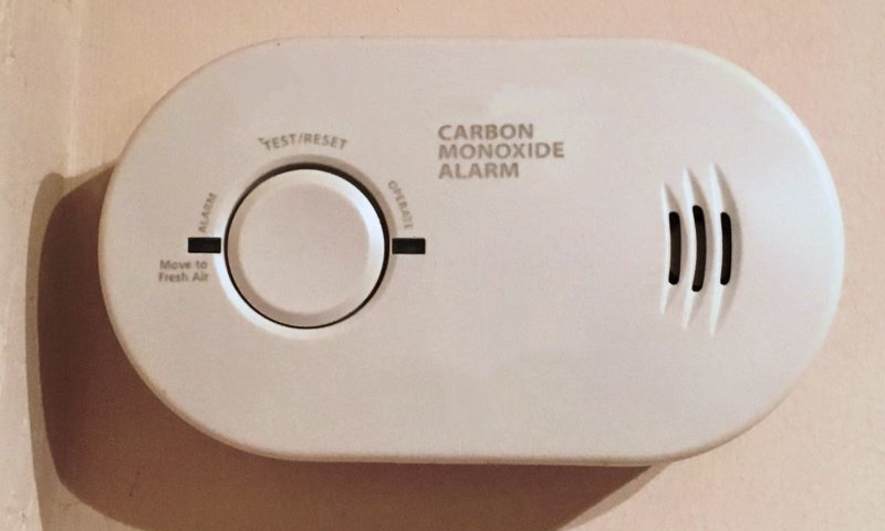
The early warning given by smoke alarms is critical. Almost 60% of all house fire fatalities occur in homes without functioning smoke detectors. Make sure you have smoke alarms installed on each level of your home and in rooms where people sleep. Replace the batteries twice a year when you have to reset your clocks for Daylight Saving (set a calendar reminder if you need to).