
It takes time to get rid of clutter. Some people genuinely enjoy sorting, organizing and streamlining their belongings. For others, decluttering can feel overwhelming, time-consuming or simply unappealing. Whether you're looking to create a cleaner home, reduce stress or make your living space more functional, you don't need an elaborate organization system or an entire weekend to get started.
Small, manageable actions can make a noticeable difference. These 10 quick decluttering tips can help you organize your home, reduce clutter and create a more comfortable living space. Best of all, you can tackle them in any order and on your own schedule.
1. Prioritize the Worst Spot First
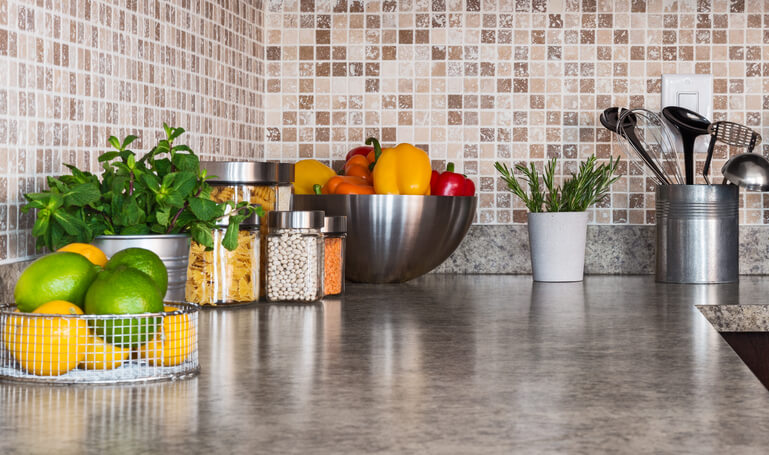
Even one messy area, such as a kitchen counter, entryway table or coffee table, can make an entire room feel cluttered.
Start by focusing on the spot that bothers you most. Throw away any trash, return items to where they belong and straighten what's left. If the space still feels crowded, consider whether some of those items need to be there at all.
Addressing one highly visible area can make your home feel cleaner almost immediately and provide motivation to keep going.
2. Do a Garbage Bag Sweep

Grab a large garbage bag or box and walk through your home collecting anything you no longer need.
This can include:
- Expired products
- Broken items
- Worn-out household goods
- Junk mail
- Unused items you've been saving "just in case"
Don't overthink it. Focus on removing obvious clutter first. You can sort items into trash, recycling or donation piles later.
3. Pretend You’re Moving
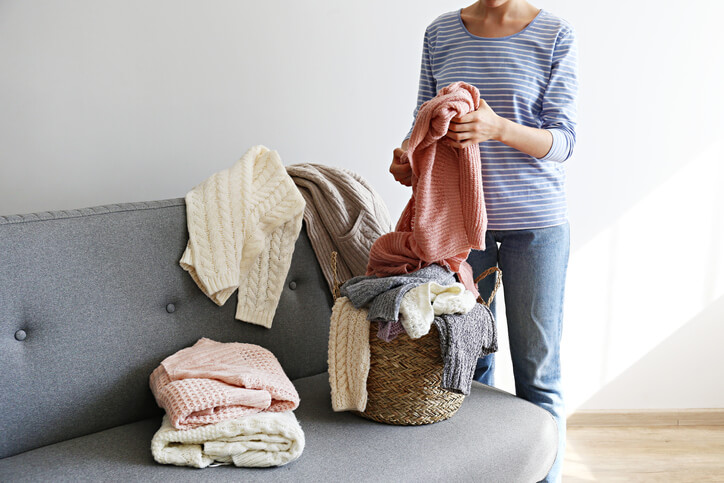
Imagine you're packing your home for a move in the next few weeks.
Look through your closets, drawers and storage areas and ask yourself:
- Does this fit my lifestyle today?
- Does it fit properly?
- Is it damaged beyond repair?
- Do I actually use it?
- Would I purchase it again if I didn't already own it?
If the answer is no, it may be time to donate, recycle or discard it.
4. Organize Like Company Is Coming

Imagine a friend, family member or guest is arriving in an hour. What would you tidy first?
Most people naturally start by clearing surfaces, putting things away and removing visual clutter. This exercise can help you quickly identify items that don't have a designated home.
If you regularly struggle to decide where something belongs, either create a permanent storage location for it or consider whether you truly need it.
5. Gather Similar Items and Organize Technology
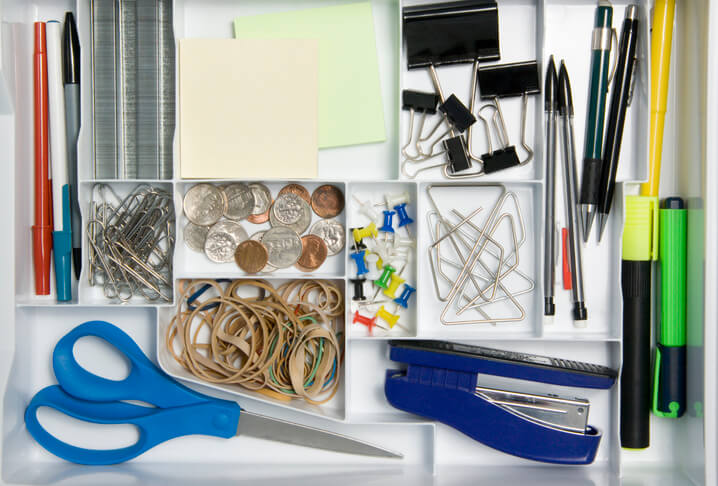
One reason clutter builds up is because similar items become scattered throughout the house. Pens end up in multiple rooms. Loose batteries collect in drawers. Charging cables seem to multiply overnight.
Walk through your home and gather similar items into one central location. Create designated homes for frequently used items, such as:
- Pens
- Batteries
- Coins
- Notebooks
- Household tools
This same approach works especially well for technology.
Technology can make life easier, but old devices, tangled cords and unused accessories can quickly create clutter. Gather cell phones, tablets, headphones, charging cables, remote controls and other electronics from around your home and sort them into three categories: keep, donate or recycle.
Test devices you still use and responsibly recycle any electronics that no longer work. Organize charging cables and cords with bins, cable ties or cord organizers to keep them tidy and easy to find.
Technology clutter can also create safety concerns. Loose cords can become tripping hazards and make cleaning more difficult. Keeping electronics organized can help improve safety, reduce frustration and make your home feel more streamlined.
If you have collections of CDs, DVDs, cassette tapes or other media, consider whether they still fit your lifestyle. You may choose to digitize important content, donate unused items or store collections in clearly labeled containers.
6. Make One Bold Decision
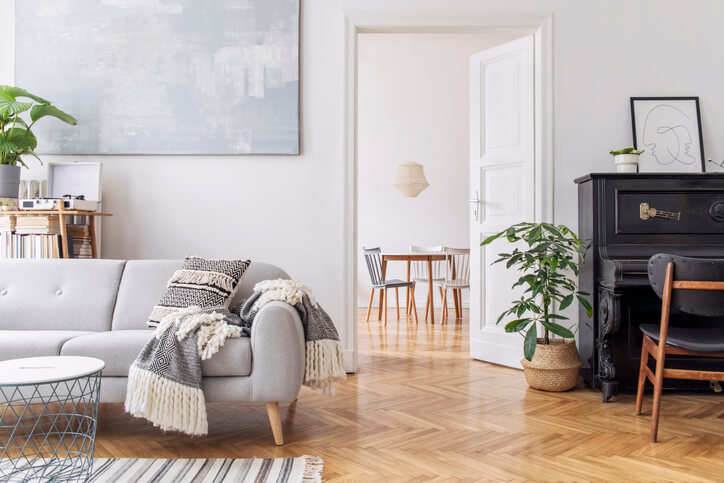
Instead of sorting hundreds of small items, look for one large item you no longer use.
Examples include:
- An unused exercise machine
- A chair no one sits in
- An outdated piece of furniture
- A large appliance that's collecting dust
Removing one major item can free up significant space and make an immediate impact on the overall look and feel of a room.
7. Ditch the Extra Stuff

Many households have duplicates of items they rarely use.
Consider whether you really need:
- Two similar sweaters when you only wear one
- Multiple kitchen gadgets that serve the same purpose
- Extra household items that sit unused
You don't need to eliminate useful backups but letting go of unnecessary duplicates is often one of the easiest ways to reduce clutter.
8. Stay Ahead of Paper Clutter

Paper can pile up quickly on kitchen counters, desks and tables.
Gather:
- Old newspapers
- Magazines
- Junk mail
- Flyers
- Expired documents
Recycle what you don't need.
For important paperwork, create a dedicated storage system and separate it from unnecessary paper immediately. This simple step can make future organization much easier.
9. Store Seasonal Items

One of the easiest ways to reduce visible clutter is to store items that aren't currently being used.
Examples include:
- Holiday decorations
- Winter coats during summer
- Beach gear during winter
- Seasonal sports equipment
Place these items in labeled bins or storage containers and store them in the attic, basement, garage or a closet.
Keeping out-of-season items out of sight can make your home feel significantly more organized.
10. Use Lists to Prevent Future Clutter

The easiest way to manage clutter is to prevent it from accumulating in the first place.
Maintain a shopping list, either on your phone or in a notebook, and check it before making purchases. Before adding something to your cart, ask yourself whether you already own a similar item.
Consider keeping lists for:
- Groceries
- Household supplies
- Clothing
- Home projects
- Future purchases
You can also use lists for:
- Tasks you need to complete
- People you want to contact
- Ideas you want to explore
- Projects you want to start
Writing things down creates a form of mental decluttering. When your thoughts are organized, it's often easier to keep your physical space organized as well.
A Cleaner Home Starts With Small Steps
Decluttering doesn't have to be an all-day project. Often, the most effective approach is to start small and focus on one manageable task at a time.
Half the battle is not becoming overwhelmed by the state of your home or the amount of stuff that has accumulated over time. By taking simple actions like these to reduce clutter, you can stay one step ahead of household chores and create a home that better supports your daily life.
Remember, decluttering doesn't have to happen all at once. Even small changes can make a noticeable difference. If you're looking for more structure, our 30-Day Declutter Challenge offers a step-by-step approach to tackling clutter throughout your home, one manageable project at a time.